AI use raises new questions of professional liability, says AG
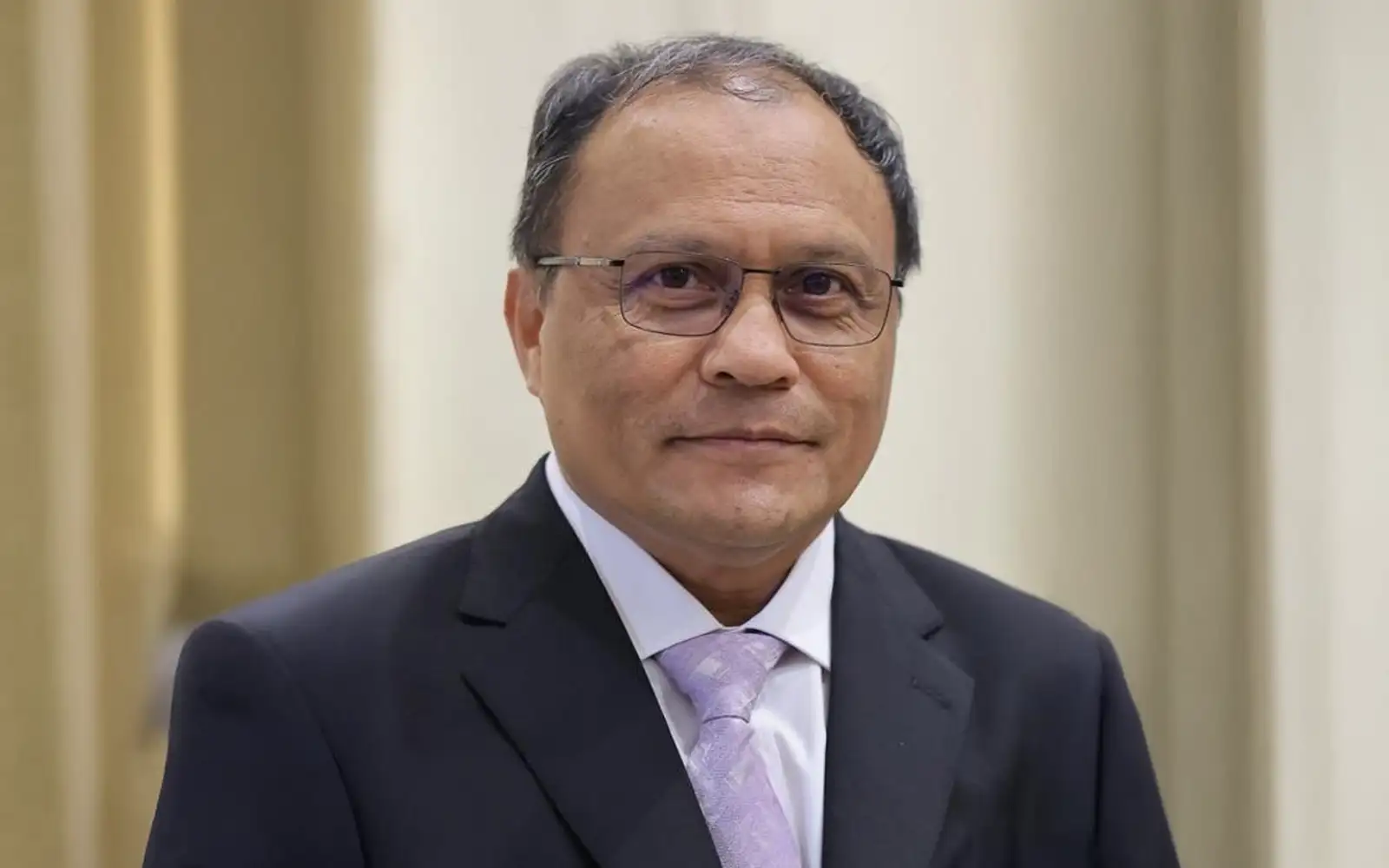
The growing use of artificial intelligence (AI) is creating new questions of professional responsibility and legal liability, with doctors, company directors and other professionals still ultimately responsible for decisions made with AI assistance, Attorney-General Dusuki Mokhtar said today.
He said professionals must understand the reliability and limitations of AI systems and know when to question their output.
“Who is responsible for checking its output? When should a doctor, director or other professional question what the system recommends?” he said in his keynote address at the inaugural Financial Lines Forum 2026 here.
He said institutions that adopt AI must understand why the technology is being used, the risks arising from its use and the safeguards needed to manage those risks.
“Technology may assist professional judgment, but effective human oversight remains essential.”
Dusuki said the issue was no longer merely technological but also concerned governance, professional responsibility and human oversight, with possible consequences for legal liability and insurance.
He said this was particularly important given the increasing use of AI in healthcare and corporate decision-making.
On medical negligence, Dusuki said the government, as a major healthcare provider, had to balance the rights of patients with the realities faced by doctors making clinical decisions in uncertain circumstances.
He said not every error of judgment, adverse outcome or medical complication amounted to negligence.
“The clinical decision should be assessed based on the circumstances and information available at the time the decision was made, rather than solely with the benefit of hindsight,” he said.
Dusuki also stressed that damages in medical negligence cases must be based on proven loss and established legal principles rather than sympathy or emotion.
Regarding corporate governance, he said directors were expected to exercise proper care and attention, with the decision-making process as important as its eventual outcome.
“What questions were asked? What risks were identified? Were conflicts properly addressed?” he added.
He said directors’ and officers’ liability insurance could cushion companies and their directors from the financial impact of claims, but could not replace good decision-making, proper internal controls or professional advice.
The forum, organised with Universiti Malaya, brings together legal, healthcare, corporate, insurance and other professionals to discuss medical negligence, directors’ liability, insurance, reinsurance and emerging risks from AI.
Subscribe to our newsletter and get news delivered to your mailbox.
KioskNews shows a cleaned-up reading view extracted from the publisher’s page — the original always lives on their site, not ours.