Nvidia halts server shipments to Southeast Asia
Manufacturers ordered to stop shipping hardware with Nvidia chips to Thailand and 3 other countries
PUBLISHED : 26 Nov 2026 at 12:54
UPDATED : 26 Nov 2026 at 13:53
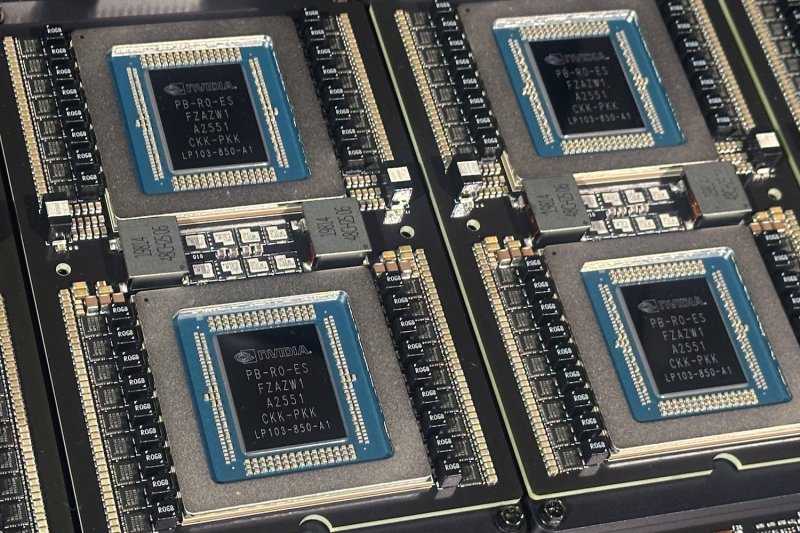
Nvidia has told its manufacturing partners to stop shipping servers containing its chips to Thailand, Malaysia, Singapore and Indonesia, the Financial Times reported on Thursday.
Manufacturing partners including Dell and Supermicro, which package Nvidia chips into servers, have told buyers in the four countries that the chip maker would not allow their orders to be shipped, the report said, citing three people familiar with the matter.
It was unclear whether the halt would be temporary as Nvidia and its partners work through compliance requirements under new US export controls, the newspaper said.
Reuters could not immediately verify the report. Nvidia, Dell and Supermicro did not immediately respond to requests for comment outside regular business hours.
The US Commerce Department last week imposed a rule affecting shipments of advanced AI chips to countries where US officials believe Chinese companies have used data centres to access computing power for training AI models.
The department published the rule days after Nvidia CEO Jensen Huang resigned following reports of an affair with a suspected Chinese spy who previously worked at the Singapore-based cloud company Megaspeed. Nvidia’s board subsequently reinstated Huang as CEO on Nov 23.
Megaspeed, an Nvidia partner that rents computing power at its data centres, has come under scrutiny for possible illegal diversion of advanced AI chips to China.
The new rules also eliminated a compliance pathway that had allowed some Chinese chip designers to access advanced manufacturing services without obtaining individual export licences, further tightening restrictions on China’s access to advanced AI chips.
The measures are part of Washington’s efforts to crack down on overseas data centres and chip smuggling routes amid growing scrutiny of whether enough is being done to prevent sensitive US technology from reaching China.
Renting AI computing power from data centres that run on US hardware not available for export to China is one way Chinese developers are believed to be getting around US restrictions.
Under the new rule, data centres anywhere in the world will need a US licence to provide large volumes of computing power from advanced chips to companies headquartered in China, Macau or other countries under US arms embargoes.
The rule also requires licences to ship advanced chips to Singapore, Malaysia, Thailand, Indonesia and Brazil, which the Commerce Department says present a “higher-than-normal risk of diversion”.
KioskNews shows a cleaned-up reading view extracted from the publisher’s page — the original always lives on their site, not ours.