Mental wellness: NIMHANS to be nodal body for BRICS Centres of Excellence
The declaration also talks about the growing relevance of traditional and integrative medicine (TCIM).
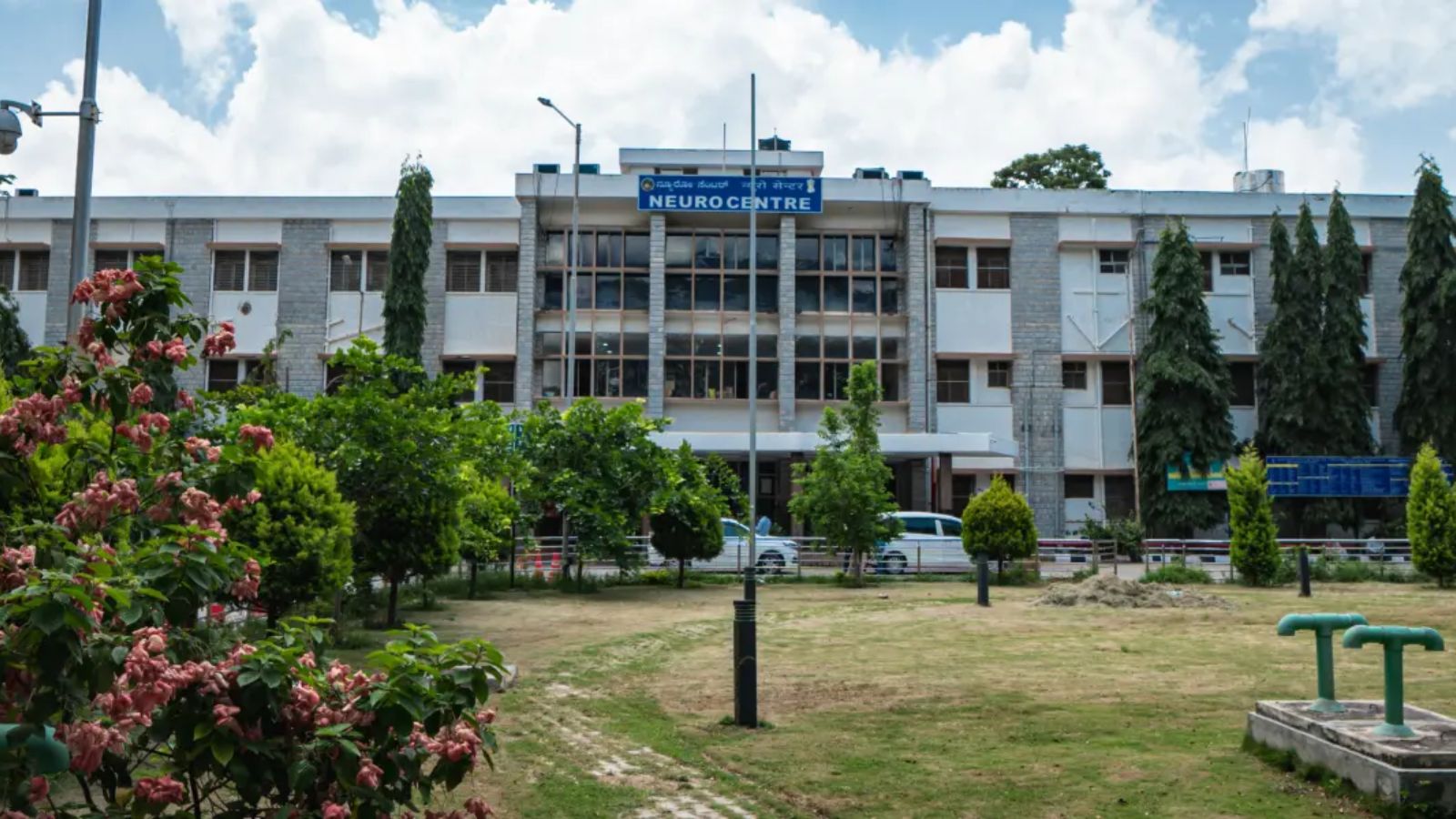
The New Delhi Declaration adopted during the ongoing 18th BRICS Summit agrees to support the establishment of a network of training hubs and centres of excellence (CoEs) for mental health, with Bengaluru-based National Institute of Mental Health and Neuro Sciences (NIMHANS) being the coordinating centre. “The Network of CoEs could also serve as a platform to facilitate collaborative research, policy dialogue, exchange of best practices, and the co-development of evidence-based mental health promotion strategies across BRICS countries,” the declaration states.
According to the Declaration, a designated group of representatives from each BRICS member state will jointly govern the network and ensure “balanced decision-making and shared accountability” towards achieving scientific and technical cooperation for sustainable and scalable integration of mental well-being into primary healthcare.
“We also welcome the Compendium of Best Practices on Promotion of Mental Wellness,” the declaration says.
It adds: “We emphasise the importance of addressing the mental health consequences of crises and are committed to providing timely, accessible, and sustained mental health and psycho-social (MHPSS) interventions to affected populations, particularly people in vulnerable situations, including children and adolescents.”
In addition, the declaration also focuses on the emerging challenges of non-communicable diseases and endorses the launch of BRICS Mission for Healthy Lifestyle and the BRICS Roadmap for the Joint Initiative on Healthy Lifestyle Promotion (2026-29). “We also welcome the Compendium of Replicable Best Practices on Healthy Lifestyle,” it says.
The declaration, in addition, talks about the growing relevance of traditional and integrative medicine (TCIM). “We welcome the proposed establishment of the BRICS Expert Working Group on TCIM under the BRICS Health Track as a platform for dialogue, collaboration and exchange among Member States.”
The platform will coordinate research on medicinal plants and herbal preparations for therapeutic and preventive uses. It goes on to add that importance will be laid on ensuring the quality, safety, and efficacy of these TCIM practices and products with an evidence-informed approach.

Anonna Dutt is a Principal Correspondent who writes primarily on health at the Indian Express. She reports on myriad topics ranging from the growing burden of non-communicable diseases such as diabetes and hypertension to the problems with pervasive infectious conditions. She reported on the government’s management of the Covid-19 pandemic and closely followed the vaccination programme. Her stories have resulted in the city government investing in high-end tests for the poor and acknowledging errors in their official reports. Dutt also takes a keen interest in the country’s space programme and has written on key missions like Chandrayaan 2 and 3, Aditya L1, and Gaganyaan. She was among the first batch of eleven media fellows with RBM Partnership to End Malaria. She was also selected to participate in the short-term programme on early childhood reporting at Columbia University’s Dart Centre. Dutt has a Bachelor’s Degree from the Symbiosis Institute of Media and Communication, Pune and a PG Diploma from the Asian College of Journalism, Chennai. She started her reporting career with the Hindustan Times. When not at work, she tries to appease the Duolingo owl with her French skills and sometimes takes to the dance floor. ... Read More
KioskNews shows a cleaned-up reading view extracted from the publisher’s page — the original always lives on their site, not ours.