9 Essential Movies to Watch Before 'The Further Mis-Adventures of Cliff Booth'

Ben Brewster is a filmmaker, critic, screenwriter, and actor whose work sits at the intersection of film culture, craft analysis, and storytelling.
He is a movie list contributing writer at Collider and a contributing writer for High on Films, where he covers contemporary cinema, independent film, and festival releases with an eye toward narrative structure, performance, and visual language.
Ben is an active film festival participant, having worked with Newport Film, the Nantucket Film Festival and as a screener for the Austin, Boston & Woodstock film festivals.
He brings to that work a programming instinct shaped by years of close engagement with independent and documentary cinema. This comes with a deep investment in the kinds of films that rarely find their way into the mainstream conversation without someone willing to advocate for them.
His background spans documentary and narrative filmmaking, film marketing, and production, including work with award-winning directors. This as well as developing his own indie production company, Lilac Creative Studio, through which he develops and produces original work across fiction and nonfiction forms.
His debut documentary, Diamond in the Rust, is an examination of economic redevelopment and displacement in the Queens area of New York City. The film was recently accepted to the Unisphere Film Festival, the Defense of Democracy Film Festival, and the Urbanite Arts & Film Festival. This would mark his first festival recognition as a director.
In addition to his writing and programming work, Ben hosts Beneath the Bloom, a film podcast exploring the work behind the scenes in cinema, and the struggles one can face to make a movie become a reality. The show reflects the same sensibility that runs through all of his work. A conviction that film is not merely entertainment but one of the most powerful tools human beings have for understanding each other.
Across mediums, his work is driven by a deep belief in film as a communal, transformative art form.
Sign in to your Collider account
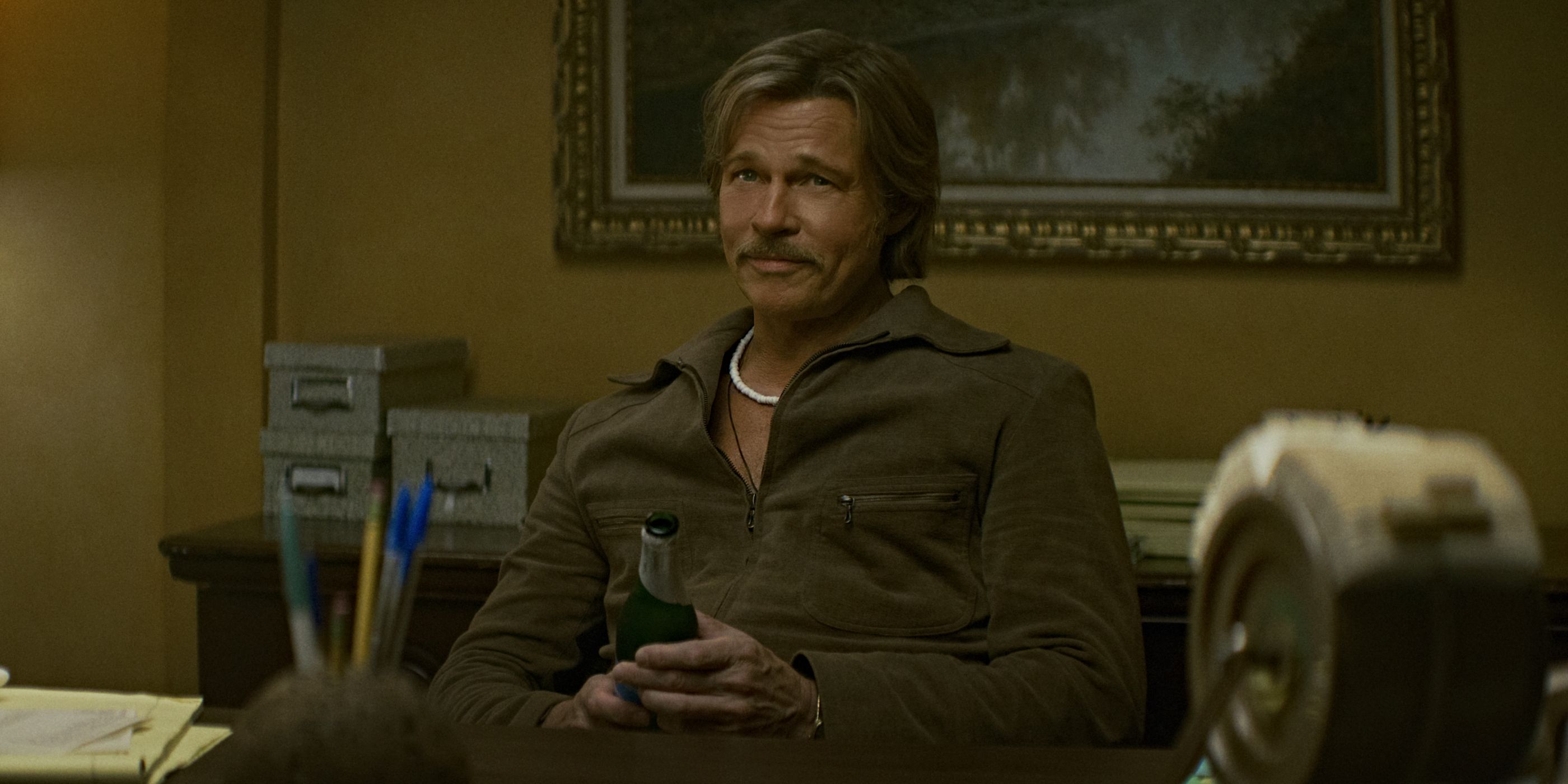
The Further Mis-Adventures of Cliff Booth arrives in IMAX theaters on November 25th for a two-week run, then streams on Netflix on December 23rd. Brad Pitt's Oscar-winning stuntman Cliff Booth is back, and he has traded Tarantino's direction for David Fincher's. Based on Tarantino's script, the story picks up in 1977, eight years after Once Upon a Time in Hollywood. It reunites Pitt and Fincher for the first time since The Curious Case of Benjamin Button in 2008, and also marks Netflix's first IMAX release.
Walking in cold is possible, but a little homework helps. The nine movies below follow three thematic lines, which are Tarantino's stunt world, Fincher's version of crime, and the Los Angeles detective tradition. Fincher has mentioned that one of the first questions was whether the script should be a movie or a series, which hints at how big the story is. Netflix describes the movie as Cliff doing odd jobs and dangerous favors with the fairy tale of Hollywood being long over. Elizabeth Debicki, Scott Caan, Carla Gugino, Yahya Abdul-Mateen II, Peter Weller, and Timothy Olyphant lead the stacked supporting cast.
A note on how this list works. I picked movies that shape the tone, the setting, or the style of Fincher's latest, and ranked them based on how useful and rewatchable they are as preparation. Once Upon a Time in Hollywood is the only direct prerequisite. The others are optional, but each enriches the dynamic 1970s Los Angeles period piece setting that The Further Mis-Adeventures of Cliff Booth lives in. Filming took place in the second half of 2025, and Tarantino's novelization of his new story arrives from HarperCollins on December 8th. Spoilers stay light, though a few key moments come up.
9 'Death Proof' (2007)

Death Proof was half of the 2007 Grindhouse double feature, paired with Robert Rodriguez's Planet Terror. Kurt Russell stars as Stuntman Mike, a scarred former stunt performer who hunts young women with his reinforced "death proof" car. Tarantino splits the story in two, with the first half in Austin and the second half in Tennessee on the backdrop of a 1970s car chase movie aesthetic. The movie fakes the look of a worn-out print and even weaves in a missing reel. Stuntwoman Zoë Bell plays herself in the second half, spending part of a chase strapped to a hood of a Dodge Challenger.
Rosario Dawson, Tracie Thoms, Rose McGowan, Mary Elizabeth Winstead, and Vanessa Ferlito round out the cast. Death Proof was a box office disappointment and critics split on its long, talky stretches. It has since found a bit of a following, mostly for its car chase and Russell's grinning menace. It matters here because Cliff Booth lives in that same stunt world, and both Bell and Russell turn up again in Once Upon a Time in Hollywood. Tarantino pays tribute to stunt performers and the people who risk their bones for a shot. Stuntman Mike shows the dark side of that world, which makes him a useful contrast to Cliff Booth.
8 'The Stuntman' (1980)

Richard Rush's The Stuntman stars Peter O'Toole as Eli Cross, a flamboyant, godlike film director. He hires a fugitive as a stunt double, Cameron (Steve Railsback), a Vietnam veteran. Cameron accidentally causes the death of the original stuntman and Eli offers to hide him in plain sight. The Stuntman has to be the strangest film on this list and it begins with its own chase scene.
Rush mixes the film's mood between comedy, thriller and satire, which netted it three Oscar nominations. Barbara Hershey plays the star of the movie, and O'Toole was nominated for his role. O'Toole plays Eli with huge, theatrical charm, and he treats the set like his own personal kingdom. It was released to little fanfare but has built a cult following over the decades. The movie portrays how dangerous movie stunt work can be, and how directors can manipulate people, risking their lives. A veteran with a shady past who finds work as a stuntman echoes and exudes Cliff Booth energy.
7 'Se7en' (1995)

Se7en drops two cops into a rain-soaked city and ties their case to a killer who stages murders around the seven deadly sins. From director David Fincher, the story follows two detectives, the veteran William Somerset (Morgan Freeman) days from retirement and the hot-headed newcomer David Mills (Brad Pitt). Gwyneth Paltrow plays Mill's wife, Tracy, and Kevin Spacey enters late as John Doe. Howard Shore's score adds a mournful eeriness along with Darius Khondji, who shot the project in beautiful dark and grimy tones.
Fincher's second feature and initial collaboration with Pitt grossed more than $327 million worldwide and made him into the big name hit director he is today. Cliff Booth marks their fourth film together, and Se7en is the best place to see their rapport. Pitt plays Mills with an impulsive, volatile energy, which is a sharp contrast to Cliff's laid-back aura. The climax is among the most talked about endings in thriller history, and Fincher builds it up with a methodical discipline.
6 'True Romance' (1993)

Tony Scott directed True Romance from a script by Quentin Tarantino, who sold it to help fund Reservoir Dogs. The movie follows the life of a comic book store clerk named Clarence (Christian Slater) and Alabama, a call-girl he falls for played by Patricia Arquette. Clarence steals a suitcase of cocaine from her pimp, and the young couple heads to Los Angeles to sell it. Dennis Hopper plays Clarence's father, and he shares a legendary scene with Christopher Walken. Gary Oldman, Val Kilmer, Samuel L. Jackson, James Gandolfini and Brad Pitt fill small but memorable roles.
Hans Zimmer's score gives the violent love story a dreamy rhythm. Pitt's Floyd is a stoned roommate who barely leaves the couch. Scott softened Tarantino's original ending, and the movie leans more romantic than the script, providing a warmer glow. Seeing someone else direct a Tarantino script is a useful preview of the Fincher collaboration. Tarantino's dialogue sparkles, and Scott's glossy visuals keep it moving.
5 'Inherent Vice' (2014)

Doc Sportello, played by Joaquin Phoenix, is a shaggy private eye in 1970 Los Angeles who tends to smoke more than he does investigate. Paul Thomas Anderson adapted Thomas Pynchon's 2009 novel into Inherent Vice, a stoned detective story. Anderson's plot focuses on a missing real estate developer, a vanished ex-girlfriend, and a shadowy group called the Golden Fang. Josh Brolin is Bigfoot Bjornsen, a crew-cut cop who bullies and torments Doc. Owen Wilson, Reese Witherspoon, Benicio del Toro, Martin Short and Jena Malone appear in the sprawling ensemble. Joanna Newsom narrates, giving the movie a dreamy voice.
Johnny Greenwood produced and composed the score, and Robert Elswit shot the movie in warm hues and a hazy glow. Inherent Vice earned Oscar nominations for Adapted Screenplay and Costume Design. The narrative takes place just after the Manson murders, and the paranoia in the air feels close to the mood of 1969 Hollywood. Taking place just one year after Once Upon a Time in Hollywood, the laid-back mood fits for a story about odd jobs and dangerous favors. Critics were divided on the plot, which is deliberately tangled and complex, but many loved the atmosphere. It plays like a hangout movie with a mystery buried inside.
4 'The Long Goodbye' (1973)

Robert Altman's The Long Goodbye reimagines Raymond Chandler's detective Philip Marlowe as a mumbling, chain-smoking drifter in 1973 Los Angeles. Elliot Gould is the lead detective — playing him with a shrug, a cat, and a shaky grip on the plot as though he woke up in the wrong decade. Leigh Brackett wrote the script, adapting Chandler's 1953 novel. Nina van Pallandt, Sterling Hayden, Mark Rydell, and Henry Gibson give vivid supporting turns, and Arnold Schwarzenegger has a small, uncredited role as a thug.
Marlowe's loyalty to his friend Terry Lennox drives the narrative, and Altman treats the mystery as background noise. Vilmos Zsigmond's roaming camera gives The Long Goodbye this loose kind of floating look. A repeated tune plays throughout the movie in different arrangements, from a doorbell chime to a mariachi band. The movie divided critics upon release and is now considered a landmark of 1970s neo-noir. Its shaggy-esque tone is a clear ancestor to Inherent Vice, and to the hangout feel of Once Upon a Time in Hollywood. Gould's Marlowe never loses his sense of humor, even when the world turns cruel.
3 'Chinatown' (1974)

Chinatown stars Jack Nicholson as J.J. Gittes, a private detective in 1937 Los Angeles. He's hired for a rather simple case, to follow a man accused of infidelity, but it rapidly unravels into a conspiracy about water and land that reaches the city's richest families. Faye Dunaway plays Evelyn Mulwray, a woman with secrets, and John Huston is Noah Cross, the powerful man behind the whole scheme. Robert Towne's script won the Oscar for Best Original Screenplay. Jerry Goldsmith wrote the trumpet-drenched score in about 10 days. Nicholson brings an air of dry wit and growing sense of fear.
Roman Polanski directed, and he also plays the small man who slits Gittes's nose. Polanski was married to Sharon Tate, who was murdered in 1969, and links Chinatown to Once Upon a Time in Hollywood. His 1977 arrest in Los Angeles also complicates the movie's legacy. Chinatown netted 11 Oscar nominations and its ending is considered among the bleakest in Hollywood history. The orange groves and dusty offices of the Los Angeles of Chinatown still shape how modern filmmakers picture the city.
2 'Once Upon A Time in Hollywood' (2019)

Once Upon a Time in Hollywood introduces Cliff Booth as the longtime stunt double and driver for television actor Rick Dalton, played by Leonardo DiCaprio. Pitt plays Cliff, a WWII veteran who lives in a trailer with his dog Brandy and handles Rick's chores. Tarantino sets the story in Los Angeles in 1969, as the Manson family circles the edges of Hollywood. Margot Robbie plays Sharon Tate, who lives next door to Rick. Tarantino fills the movie with period detail, from radio jingles to television Westerns.
The movie netted 10 Oscar nominations and grossed more than $370 million worldwide. Pitt won the Oscar for Best Supporting Actor as Cliff, and the movie also won for Production Design. Cliff's calm, deadpan style makes him one of Tarantino's most beloved characters. His visit to Spahn Ranch and the fight scene with Bruce Lee are two of the more memorable sequences in Tarantino's entire filmography. A rumor that Cliff killed his wife hangs over him, and Tarantino never confirms it. The ending rewrites history in a way that gives the movie its fairy-tale feel. Netflix says the sequel opens eight years later, in a Hollywood where the fairy tale is long over.
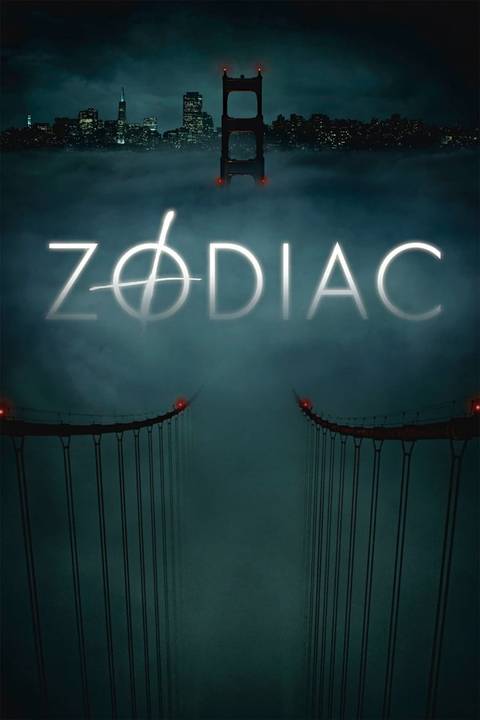
1 'Zodiac' (2007)

Zodiac shows exactly how David Fincher depicts California in the 1970s. Jake Gyllenhaal is Robert Graysmith, a newspaper cartoonist consumed by the riddles of the Zodiac Killer case. Fincher traces the story across multiple decades in the San Francisco Bay Area. Mark Ruffalo plays inspector Dave Toschi, Robert Downey Jr. is reporter Paul Avery, and Anthony Edwards, Brian Cox, and Chloë Sevigny fill out the ensemble. James Vanderbilt (The Nuremburg Trials) wrote the script directly off of Graysmith's books and Fincher shot it digitally, recreating the era with his textbook precision and attention to detail.
Fincher stages the cab murder and the Lake Berryessa attack with chilling emotional restraint. He hones in on how obsession can wear people down and have lasting effects on their lives. A basement scene late in the movie is one of the most unnerving he has directed. Zodiac was not a hit in 2007, but it has since been reappraised, and has found its place on the New York Times list of the best movies of the 21st century. The patient camera, muted colors, and exceptional precise period detail point toward what Fincher might do with 1977 Los Angeles.
- Release Date
- March 2, 2007
- Runtime
- 157 minutes
- Director
- David Fincher
- Writers
- James Vanderbilt, Robert Graysmith
- Producers
- Ceán Chaffin, Mike Medavoy, Arnold Messer, Bradley J. Fischer, James Vanderbilt
KioskNews shows a cleaned-up reading view extracted from the publisher’s page — the original always lives on their site, not ours.