Formerly enslaved people in Guyana embraced collective action | Letter
Your report (British corporation continued trafficking of enslaved Africans to Guyana 40 years after abolition, 23 August) tells one important part of Guyana’s post-slavery history. There is another that deserves to be better known.
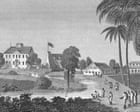
In 1839, little more than a year after full emancipation in British Guiana, 83 formerly enslaved men and women pooled their savings to buy the 200-hectare (500-acre) Northbrook plantation. They renamed it Victoria. Other purchases by other groups followed, developing into what became known as the communal African village movement.
These were not simply individual acts of property ownership. Many had kept their hard-earned savings buried for safekeeping; the first payment for Northbrook was reportedly carried to Georgetown in coins in a wheelbarrow. Formerly enslaved people went on to buy land collectively, establish villages and devise their own arrangements for managing roads, land and other shared resources. Victoria had established its own code of local government by 1845.
Having worked in Guyana, I have always found this one of the most remarkable parts of its history. At almost the same moment that plantation interests were trying to perpetuate the old system, people emerging from slavery were demonstrating an extraordinary capacity for collective action, self-government and mutual endeavour.
The history of emancipation is not only the history of what was done to formerly enslaved people, but of what they chose to build once they were free.
Prof Kathryn A Monk
Bristol
KioskNews shows a cleaned-up reading view extracted from the publisher’s page — the original always lives on their site, not ours.