8 2000s Shows That Aren't As Good As You Remember

Mary Kassel is a Senior Writer & Critic who joined the Screen Rant team in 2023.
After graduating from Emerson College with a degree in Media Arts Production, Kassel started at Screen Rant with a focus on the critical analysis side of movies and television while continuing to work on set in film production.
At Screen Rant, Kassel primarily writes for the Classic TV section, mining their encyclopedic knowledge of television history for content. However, they also contribute to the Books team and review both film and television as a critic.
It's unavoidable that, at some point, any TV show will feel dated upon a rewatch. Standards for quality television change, technology improves, and audience taste evolves, making it impossible for any series to remain perfect. This is the case for many TV shows from the 2000s, which don't hold up as well as we thought they would. The harsh reality of 2000s TV proves that some series make it only too obvious that they were made at a different time.
Many TV shows from the 2000s are classics, still engaging and fun to watch today. This makes it easier to forgive some of the dated elements and accept that every show will have its flaws. There's no question that even if a series doesn't hold up as well as it did when it was airing, it can still be a nostalgic favorite. However, when you love something, it's important to acknowledge that it's not infallible, and that through a modern lens, there are some issues that need to be addressed.
How I Met Your Mother (2005–2014)

Comedies often struggle to remain timeless, as so many jokes, references, and punchlines can quickly go out of date, or even become disrespectful. While How I Met Your Mother is far from the worst offender when it comes to 2000s TV comedies, watching it today demonstrates its problems. It gets tedious when Barney's womanizing is played for laughs or when Ted's romantic persistence crosses the line into downright annoying.
Though How I Met Your Mother is a 2000s sitcom that hasn't aged well, it didn't improve throughout the seasons, turning a self-aware eye toward some of its dated perspectives. However, this did come at the cost of a final season largely criticized by audiences and a series finale considered one of the worst of all time. The chemistry of the cast is a highlight that can't be ignored, but How I Met Your Mother might have benefited from ending a little earlier.
Dexter (2006–2013)

The first few seasons of Dexter make for propulsive television, and Michael C. Hall's portrayal of the serial killer with a moral code deserves all the praise it gets. However, Dexter has a fatal flaw, and that's the downward spiral of the original show's final seasons and the rocky legacy it left in its wake. As new villains were introduced, romantic plotlines scrapped, and Dexter's secret learned by more characters, Dexter had a few too many messy stories to contend with.
Despite this, Dexter remained popular, paving the way for quite a few new shows within the franchise. It's hard to ignore that Dexter needs a perfect ending, as the many reboots and revivals have yet to succeed in ending the franchise for good. Of course, it's fun to catch up with Dexter and see how he's evolved, but after all this time, the premise and characters don't feel as fresh as they once did.
Veronica Mars (2004–2019)

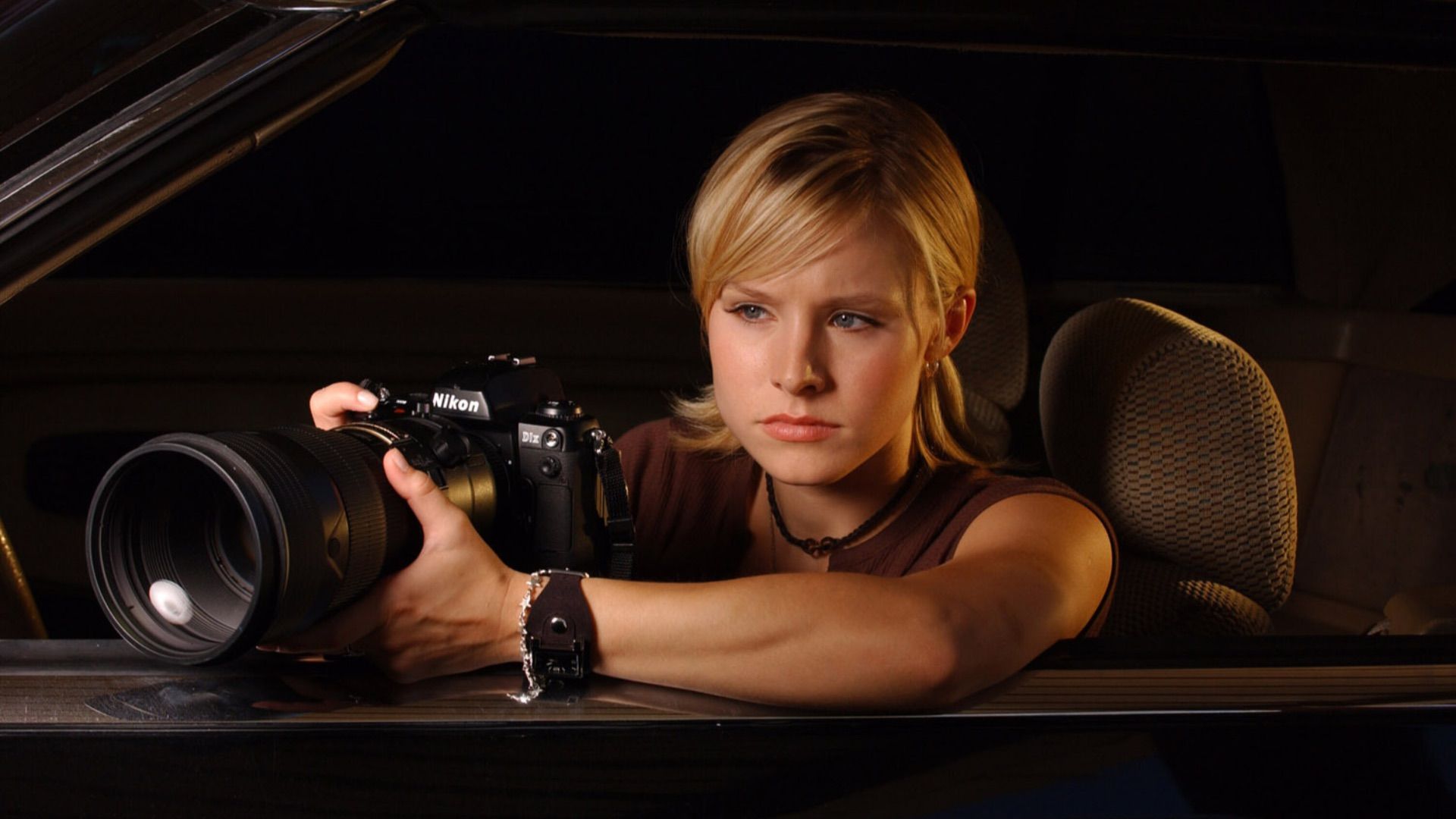
Before Kristen Bell starred in The Good Place or Nobody Wants This, she was the precocious teen sleuth Veronica Mars in the series of the same name. Veronica Mars exploded in popularity thanks to a thrilling first season that leaned into much darker territory than typical teen dramas. While the series deserves praise for season 1, it was in seasons 2 and 3 when the show lost its footing. Veronica Mars didn't retain its energy past season 1 as well as we remember.
Following its original finale in 2007, Veronica Mars gained cult classic status, sparking renewed interest in the boundary-pushing show. Veronica Mars returned in 2019 on Hulu; it had the big shoes of the original series to fill and needed to justify its existence amid a television landscape overflowing with reboots. Unfortunately, season 4 felt like a redundancy and cemented the fact that Veronica Mars season 1 was the high point of the show.
Eureka (2006–2012)

The sci-fi crime procedural Eureka was a fun and wacky twist on the episodic genre, using the main character, Jack Carter, as the everyman foil to the town full of super geniuses where he becomes sheriff. Throughout the 2000s, procedurals were at the height of their popularity, so it was important for shows like Eureka to find their niche within the TV landscape. Eureka did this through fantastical sci-fi storylines and big twists throughout the seasons.
Though it's not the fault of Eureka, the premise of the show relies heavily on special effects because of the science fiction elements, and these effects have not aged well. The stories are fun, but watching the dated CGI takes the audience out of the experience, especially considering the level at which sci-fi is being produced today. If audiences are craving an amazing sci-fi series from the 2000s, there are better-plotted and more complex options than Eureka.
The L Word (2004–2009)

When The L Word premiered, it was groundbreaking in its portrayal of queer women on television. However, like most first attempts at representation, it didn't take long for The L Word to come under fire. Primarily following the stories of mostly white, wealthy, and predominantly femme queer women, The L Word wasn't an expansive series. Additionally, the way it dealt with its gender expansive characters is wildly outdated and tough to watch today.
The L Word: Generation Q attempted to fix some of the original series' flaws, bringing in a more intersectional cast and pushing returning characters to be better. However, Generation Q failed to gain the same momentum as the first series, as part of what made it so fun to watch was the messy drama. The L Word will always be a touchstone for queer media, but it's fair to look back with a critical eye when it comes to its representation.
Bones (2005–2017)
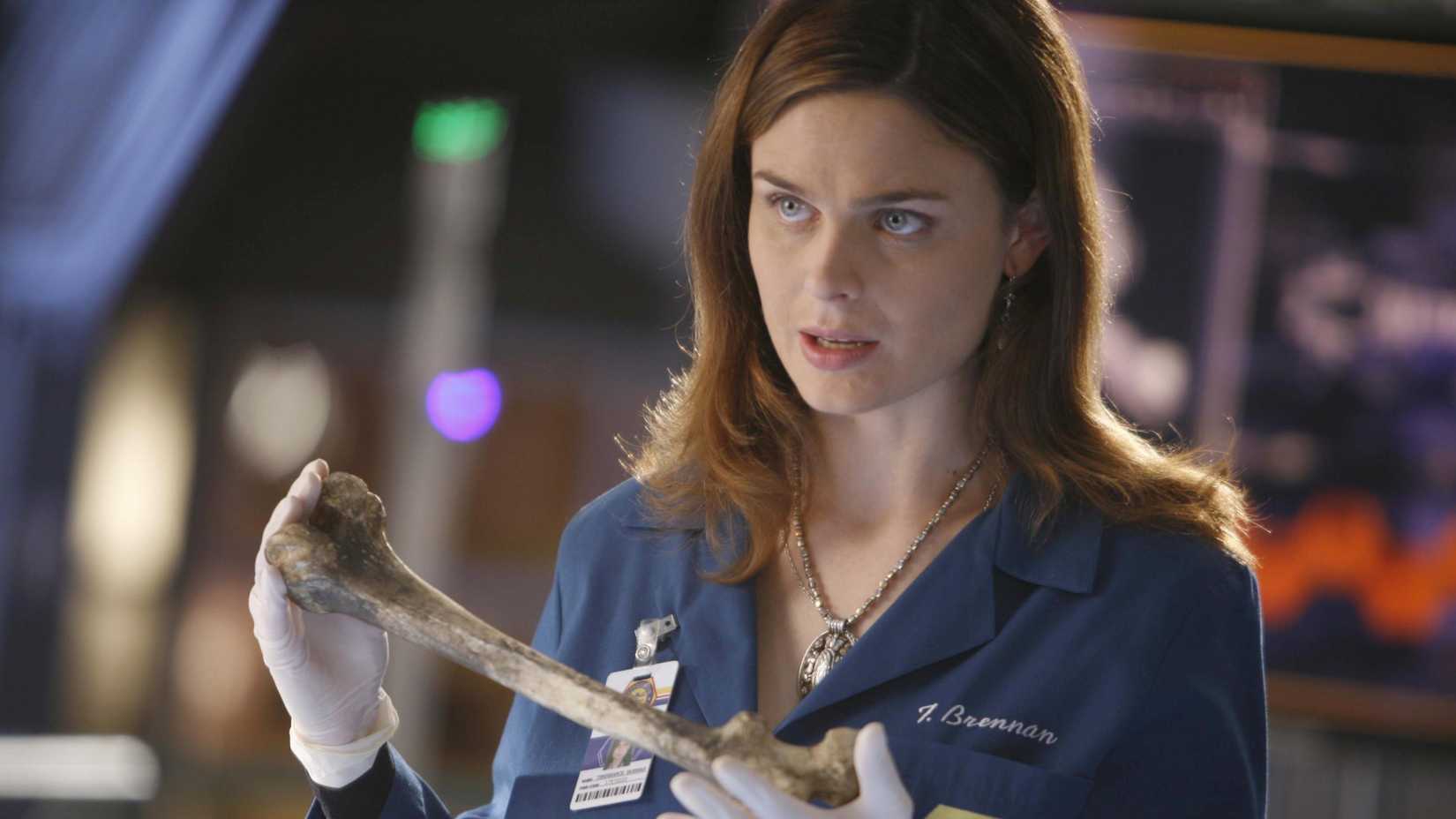
Bones was far from the only show of its kind to premiere in the early 2000s. A crime procedural centering on a will-they-won't-they dynamic between the two central characters was everywhere during this decade. However, Bones was arguably one of the best, even if it wasn't perfect. Often leaning into the comedic elements of its stories, Bones had a strong start, but even in the first few seasons, Bones recycled plotlines, seeing the main characters kidnapped and targeted by killers many times over.
One of the most disappointing aspects of Bones is the way the payoff of Brennan and Booth's relationship was rushed once they finally got together. The relationship between these partners was the best part of the show, and the fact that they jumped right into having kids and getting married when they made things official undercut the tension of the series. Additionally, the fact is that Bones was never as good after Booth and Brennan got into a serious relationship.
The Middle (2009–2018)

The long-running family sitcom The Middle found success quickly after it premiered in 2009. Following the misadventures of the Heck family living in Indiana and dealing with the tough battles of raising kids and getting dinner on the table, The Middle was much like contemporaneous additions to the genre. It's a feel-good, easy watch, but there isn't much about The Middle that will set it apart from similar sitcoms of the era.
The main problem with The Middle is that it retreads familiar territory and pales in comparison to the better series, Malcolm in the Middle. The Middle owes a lot to Malcolm in the Middle, which was an early example of a sitcom that subverted the dynamics of older shows from the 20th century. The Middle is still funny and heartwarming, but if viewers want to revisit early 2000s comedies, there are others that have stood the test of time.
Heroes (2006–2010)

The genre-bending, groundbreaking superhero TV show, Heroes, began as an attempt to subvert the typical comic book-style narrative surrounding people with otherworldly powers. Following grounded characters who grappled with their newfound abilities in realistic ways, Heroes had an incredible debut season, but this couldn't save the show. Immediately declining in quality from the beginning of season 2, Heroes lost momentum and began losing audience goodwill.
The harsh realities of rewatching Heroes 20 years after it first premiered only make it clearer that Heroes season 1 was the show's peak. Even the season 1 finale hints at the series' long-term downfall, as the plot's resolution after an action-packed season was a bit of a letdown. Heroes was a compelling experiment, but in the end, it had too much working against it, and rewatching past season 1 doesn't always feel worth it.
KioskNews shows a cleaned-up reading view extracted from the publisher’s page — the original always lives on their site, not ours.