How Niña Sandejas captured nu-metal band Greyhoundz’ legacy in print
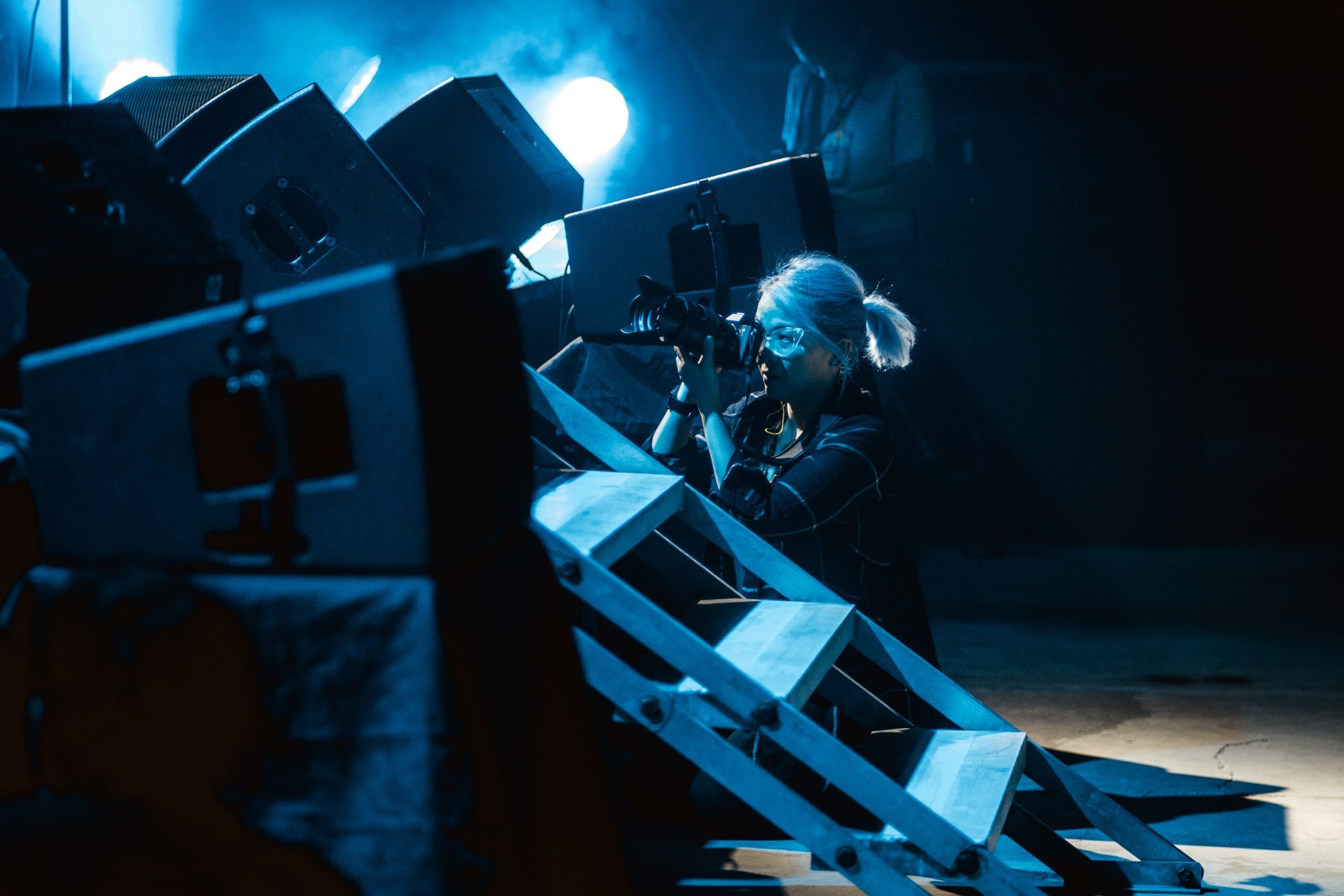
She was only seven years old when she realized that this had become a dream of hers — and even if, for the longest time, she didn’t really know what she’d write about, she continued to hold onto that goal in the years to come.
But as life would have it, her first work as a published author would not come until decades later, as an almost entirely different creative endeavor found her first: music photography. Her command of the lens and ability to capture the moving parts of live music performances would help her build a reputation as a prominent creative.
Still, Sandejas had turned out to be on the right path.
If somebody were to create a photobook about nu-metal band Greyhoundz, who would be better suited for the job? Someone who understands the delicate push and pull between pictures and words, it seems, and that someone is Sandejas.
It took the seasoned music photographer, now a published author, around 10 years to figure out what she wanted to say and tell the stories of Reg Rubio, Audie Avenido, Niño Avenido, TJ Brillantes, Allen Cudal, and Greyhoundz as a whole in print.
“That was actually my default from day one,” Sandejas said about taking on both the role of the photographer and the writer simultaneously. “I journal a lot, and I used to write recaps of shows and nights out on my old blog. Sometimes I’d forget because I’d think, well, the photographs are there, they’ll explain it. But they don’t always.”
“I think doing both the writing and the photography meant I could let one fill in what the other couldn’t. Sometimes the photograph already says everything and I should leave it alone. Other times I know the story around the photograph, and that changes what you’re looking at.”
Front-row seat to the chaos
The photobook, published under Sandejas’ independent press, alt164 Press, is just over 400 pages of writing and photography. Its pages come with golden edges, and the book itself is simply titled Greyhoundz, almost as if it is up to you to accept the invitation into Greyhoundz’ crazy world, as told by Sandejas.

“The Greyhoundz book itself only has a little over 5,000 words. It’s still very much a photobook, and photographs are my strongest language here. The writing was there to give context when context was necessary, but part of making the book was also learning when to shut up and let the photographs do the work,” she said.
Yet completely capturing the legacy of a band that defies the bounds between metal and hip-hop appears to be a daunting task. It’s one thing to take photos at a Greyhoundz gig, but it’s completely different to dive into their world, from coming face to face with fans in a sweaty open-air venue to winding down backstage after an electrifying set.

It was the latter that gave Sandejas the ability to truly get to know the men of Greyhoundz through the years. It wasn’t only seeing them in action, but also the casual conversations she’d have with each member that shaped the Greyhoundz book into what it is now.
“That’s kind of how I work anyway. If I stay with an artist long enough, I remember the conversations and little things that strike me as interesting, and over time I get a better sense of who they are and what might be worth remembering about them,” she explained.
Take the chapter about bassist Niño Avenido for instance. It starts with two simple, yet telling sentences about pretty much everything you needed to know about Avenido’s drive as an artist: “It takes two hands to play bass. Niño managed to break both.”
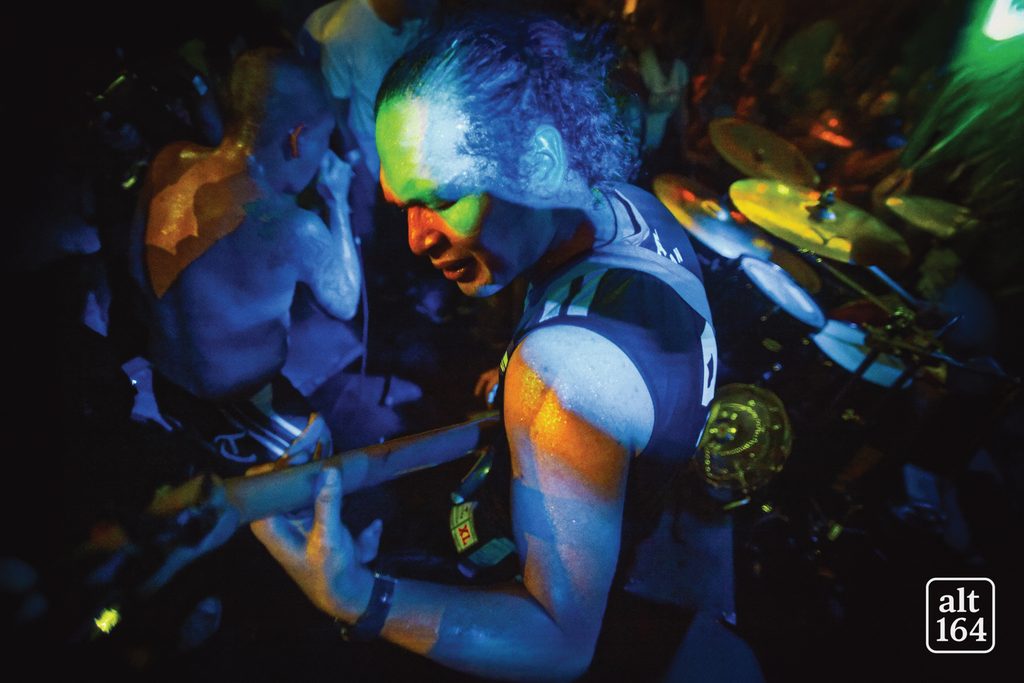
Sandejas lays out anecdotes about Avenido’s injuries that made it difficult for him to play normally, and his stubbornness that allowed him to rack up several “Bassist of the Year” awards. It’s these kinds of moments that bring out the most meaningful stories, and Sandejas had a front-row seat to it all.
“That access eventually becomes a responsibility. I know I’m married to Niño now, but we weren’t married until years after I started photographing Greyhoundz. And I think you have to be genuinely interested in people beyond what makes them notable. It’s easy to fall into this collector’s mindset where photographing somebody becomes a benchmark like, okay, I got that person, next. I’m much more interested in what the whole body of work becomes when you stay,” she told Rappler.
What happens, though, if the individual you are meant to profile has long passed?
It would be remiss not to have a section about Greyhoundz guitarist Allen Cudal, who died in 2004. Even though Sandejas had never gotten the chance to meet him, her husband, Avenido, assured her that they would have gotten along.
“I had to be careful not to write about him as if I knew him personally. Most of my understanding of Allen came from the people who loved him and from what he left behind,” Sandejas shared.
“So I wrote about his presence through his guitar, which is literally just outside my room. Musicians develop these incredibly personal relationships with their instruments. They name them, they wear them down, and I do believe they leave some kind of energetic imprint on them. It was a little spooky because I could see the guitar from where I was working and almost feel its presence while I was writing the whole thing.”
‘Earning the respect of a scene through the music itself’
When you’ve spent years documenting a band’s journey and eventually embed yourself into their everyday chaos, it becomes all the more difficult to choose which parts of them are worth making the final cut. The thousands of photographs Sandejas had taken of Greyhoundz each came with a story of their own, after all.
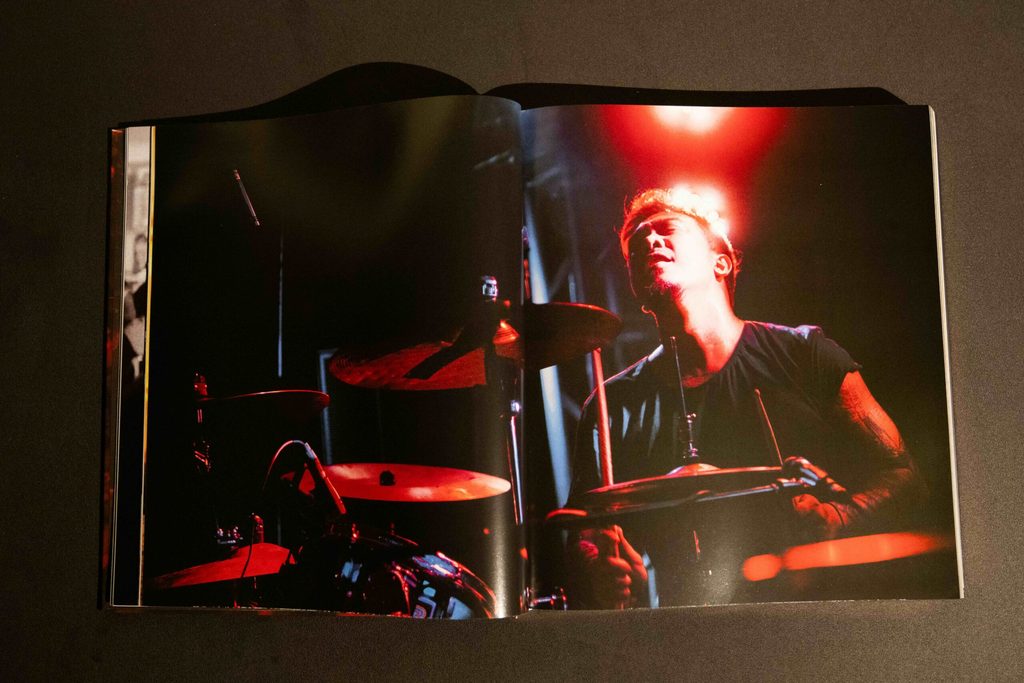
“So I had to keep asking myself what each photograph or story was doing there. Does it move something forward? Does it tell you something you wouldn’t otherwise know? Will anybody care about this decades from now? That was probably the hardest part: accepting that making an archive doesn’t mean putting everything in. Sometimes preserving the story means deciding what you can afford to leave out,” she said.
More importantly, however, it was the broader question of why Greyhoundz’ story deserved to be told that laid the groundwork for Sandejas’ book.
“I think Greyhoundz has a very universal message about survival, endurance, breaking barriers, and earning the respect of a scene through the music itself. You can take that lesson out of music entirely and apply it to almost anyone trying to keep going through whatever life throws at them,” said Sandejas about what she wanted people to understand about Greyhoundz.
“Bands have lifespans, and Greyhoundz had already experienced the death of a band member only seven years into their career. That’s something not every band survives, but they kept going.
And I think that persistence became part of what kupaw meant too. It started as a sound in their music and eventually became a name for the whole subgenre they helped pioneer, but there was also a feeling around it — the aggression, the community, the humor, the loyalty, the release you felt when you were inside that scene. It was an outlet for many of us who were there, and this book allows people a glimpse into that world,” she added.
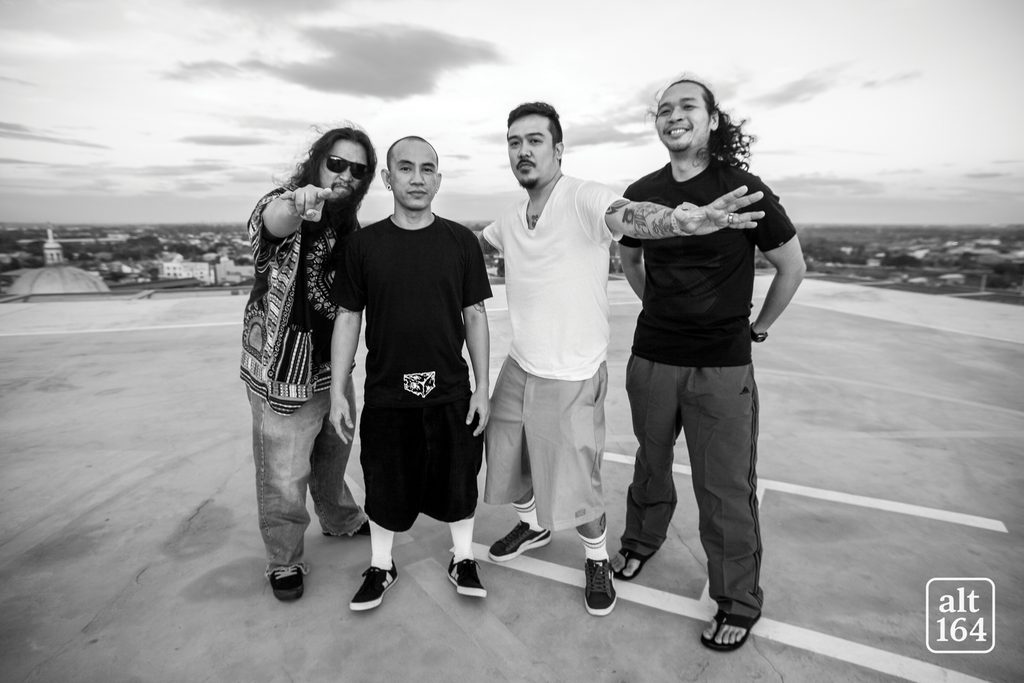
Whether or not you were already an avid listener, you will get to the last page of the book understanding why the group became as iconic as they are in the Filipino music scene. And it’s through Sandejas’ masterful command of both the lens, and in effect, the pen that makes space for that to happen.
Truly, then, you dunno what’s comin’ at ya. – Rappler.com
The book is priced at P4,990 and may be purchased from www.alt164.press and in select Fully Booked branches: Bonifacio High Street, SM City Sta. Rosa, SM Baguio, Ayala Malls Central Bloc Cebu, and SM Lanang Davao.
KioskNews shows a cleaned-up reading view extracted from the publisher’s page — the original always lives on their site, not ours.