Early arrivals contributing to hospital congestion, says Perak health exco
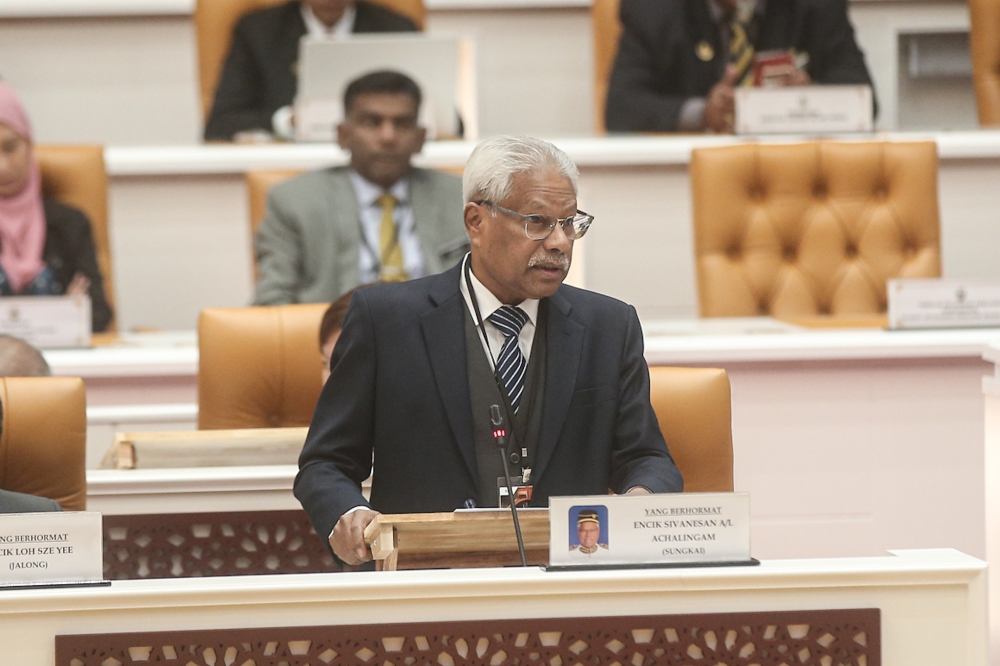

Perak Health, Human Resources, Indian Affairs and National Integration Committee chairman A. Sivanesan said elderly patients were usually accompanied by their children or other family members, while some also arrived early in the belief that they could see doctors sooner. ― Picture by Farhan Najib
By John Bunyan
First Published: Tuesday, 08 Sep 2026 11:29 AM MYT
IPOH, Sept 8 — Congestion at government hospitals in Perak is partly caused by elderly patients arriving with family members and coming earlier than their scheduled appointments, the State Legislative Assembly told today.
Perak Health, Human Resources, Indian Affairs and National Integration Committee chairman A. Sivanesan said elderly patients were usually accompanied by their children or other family members, while some also arrived early in the belief that they could see doctors sooner.
“Sometimes when we give them appointments, they do not come alone. When elderly parents or senior citizens come, they usually come with their children or someone to accompany them.
“They also tend to arrive early because they think that if they come early, they can see the doctor earlier. This cause congestion inside the hospitals as well at the parking area,” he said.
Sivanesan was replying to additional questions by Selinsing assemblyman Sallehuddin Abdullah who asked on issues of patient need to wait longer at government hospital and also whether government hospital bed capacity was sufficient to meet the state’s growing population and increasing chronic diseases.
Sivanesan said doctors also had other duties, including ward rounds, before attending to patients, which could contribute to longer waiting times as patients arrive early than the scheduled time.
However, he said patients generally remained satisfied with the treatment provided by doctors despite having to wait.
Sivanesan also contrasted the situation with private hospitals, where patients using medical insurance may sometimes have to wait longer for approval from their insurance companies before being discharged.
He said negotiations between private hospitals and insurance companies over treatment charges could sometimes take several hours, while patients could leave government hospitals immediately after being discharged.
“We don’t have such issues in the government hospitals. When discharge, patients can leave immediately,” he said.
He said the state Health Department had taken several measures to reduce congestion, including allowing patients to make appointments by telephone to collect their medication directly from the pharmacy.
“We are also implementing a service where, for a certain charge, medication can be delivered directly to the patient’s home,” he said.
On bed capacity, Sivanesan said Perak had 15 government hospitals with about 6,000 beds, of which approximately 5,600 were operational, leaving around 400 beds vacant.
He said there were also 96 intensive care unit (ICU) beds, with about 75 currently operational.
Sivanesan acknowledged that there could be temporary shortages during unexpected disease outbreaks or major emergencies, such as accidents involving schoolchildren, which could require patients to be transferred to other hospitals.
“Sometimes we may face such problems, but so far, we have not received complaints from hospitals or health facilities regarding a lack of beds,” he said.
He added that the state also had 89 health clinics and more than 180 other health facilities, with the government continuing to prioritise patients’ needs and improve healthcare services.
KioskNews shows a cleaned-up reading view extracted from the publisher’s page — the original always lives on their site, not ours.