Japan’s dilemma over frosty ties with Russia deepens after reporter’s arrest
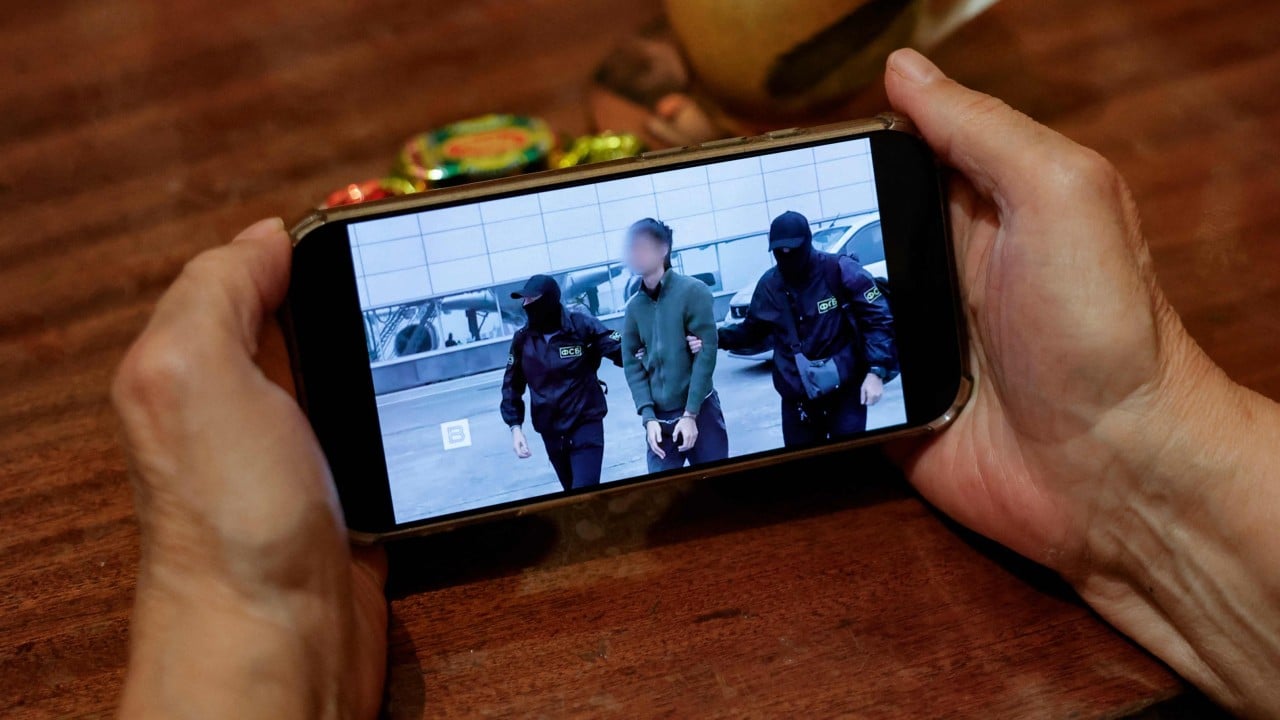
The arrest of a Japanese journalist in Russia has finally woken Tokyo up to the fact that Moscow is playing hardball in their diplomatic relationship, and the country’s apparent unwillingness to push back with commensurate force could encourage the Kremlin to test its neighbour’s resolve, analysts say.
Japan lodged an official protest with the Russian ambassador in Tokyo on Wednesday, a day after Moscow announced the arrest of Yuki Imai from the Hokkaido Shimbun Press on suspicion of espionage. He was taken into custody in Sakhalin, with Moscow accusing him of obtaining details of mobilised Russian soldiers in the region.
Russia has released footage of the arrest of the journalist and his transfer to Lefortovo Prison in Moscow. An official of the Japanese embassy in Moscow has been refused access to speak with the journalist.
Japanese Prime Minister Sanae Takaichi has denied that the journalist was conducting espionage for Tokyo, a position echoed by his employer.
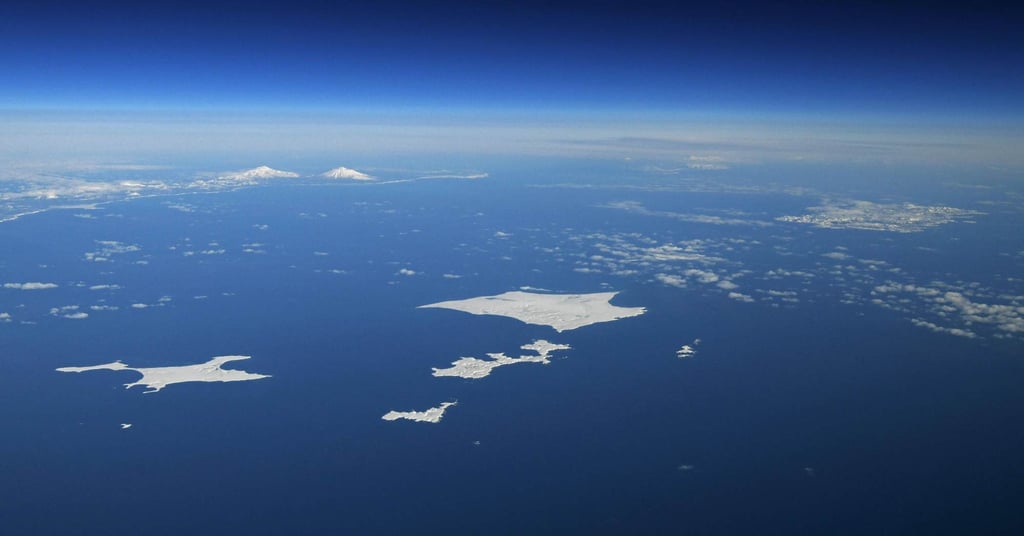
The detention comes after a fraught few months in bilateral relations. In August, Russian President Vladimir Putin visited an island off the north of Japan, which was part of the disputed Kuril chain of islands seized by Soviet forces soon after Tokyo’s surrender in 1945. Tokyo still claims sovereignty over the four southernmost Kuril Islands, known as the Northern Territories in Japan.
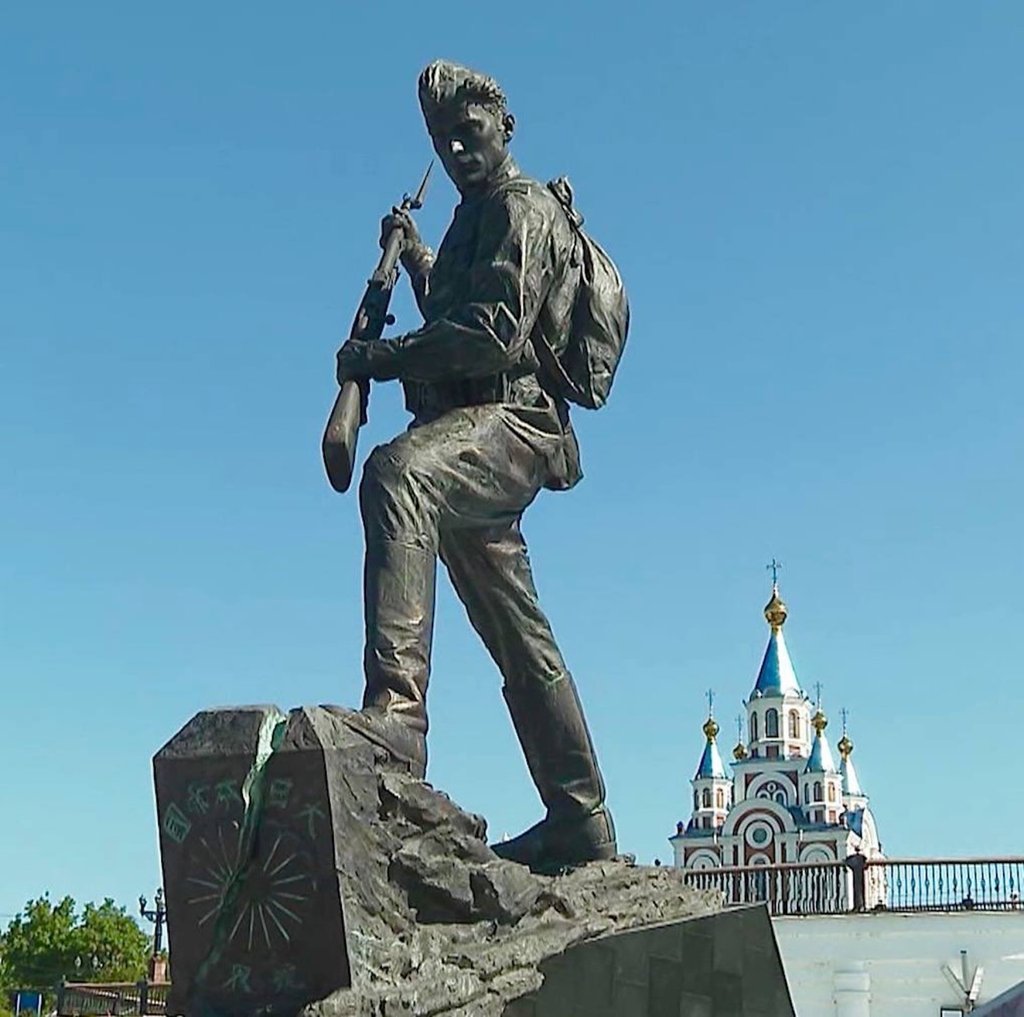
Japan was also incensed about the unveiling of a statue in the Russian city of Khabarovsk in September to mark the end of World War II. The statue depicts a Soviet soldier smashing an imperial-era border marker bearing the chrysanthemum motif of the Japanese monarchy.
Russia has also stepped up air and naval operations off northern Japan, announcing that it would be carrying out live-fire air drills over the disputed island of Etorofu from October 13.
It has also demanded that Tomoko Akane, the Japanese head judge of the International Criminal Court in The Hague, be handed over to Moscow because a Russian court had indicted her.
James Brown, a professor of international relations specialising in Russian affairs at the Tokyo campus of Temple University, believes the schism in relations can be traced to the start of this year.
“In the spring, Japan announced that it was going to contribute to the Prioritised Ukraine Requirements List [PURL] to support Kyiv and also that it was sending Self-Defence Forces personnel to Nato headquarters in Wiesbaden,” Brown said.
“Russia views Nato as its principal enemy and saw this as a provocative step by Japan,” he said.
When Russia piled pressure on Japan with its subsequent moves, it was surprised by Tokyo’s inaction, Brown added.
“Putin went to the disputed islands. There was the statue issue and the ICC issue. And now Russia has taken what is effectively a hostage. And what has Japan done in return? Nothing of note,” he said. “And if that is going to be Tokyo’s response, why would the Russians not continue with more similar steps?”
Yakov Zinberg, a professor of international relations at Tokyo’s Kokushikan University who is originally from St. Petersburg, said Moscow seized the Japanese journalist with the aim of a prisoner swap in mind.
“Russia is in the habit of taking somebody to exchange for one of their people,” he said, pointing to the case of an alleged cyber hacker named Vladimir K, who was arrested in Japan in May for being a suspected member of the Qilin crime organisation and later handed over to authorities in Germany, where he was on a wanted list.
“I think this Japanese journalist was in the wrong place at the wrong time and Russia needed someone for an exchange,” he said.
Zinberg said Moscow had become more “frustrated” with Tokyo’s actions in recent months, including its support for European Nato members that were providing Kyiv with military equipment and intelligence.
“But there is also an element of propaganda for a domestic audience in all this,” he added.
“The economy in Russia is not good, the war has dragged on for many years, more and more men are being killed. Arresting a Japanese ‘spy’ and accusing Tokyo is designed to make [Russian] people think about something other than the bad news.”
Zinberg said Moscow was likely monitoring public unrest in France and Italy over the rising cost of living and that Putin would hope to see similar unrest in Japan, he added.
01:52
Russia detains Japanese journalist suspected of spying
Yoichi Shimada, professor emeritus at Fukui Prefectural University, said Takaichi might have hoped to build a close working relationship with Putin, mirroring the ties between the Russian leader and the late former Japanese prime minister Shinzo Abe when he was in office. Abe’s priorities then regarding Moscow were the return of the disputed islands and an increase in bilateral trade, particularly in energy, according to Shimada.
“It was a sensible approach and would make very good economic and strategic sense for Russia and Japan to be allies and partners, although that is obviously impossible at the moment,” he said. “I think that Takaichi is still playing the long game and looking beyond the end of the war.”
Brown noted that Japanese leaders before Takaichi took a tougher stance on Russia after it began invading Ukraine in February 2022. Soon after revelations about the massacre of Ukrainian soldiers and civilians in the city of Bucha came to light, then Japanese prime minister Fumio Kishida expelled eight Russians whom Tokyo described as “embassy staff” but were likely intelligence officers.
Tokyo has the options to effectively counter Moscow’s “bully tactics”, according to Brown.
For instance, Japan could reduce its energy imports from Russia and seek alternative sources, increase sanctions against Moscow or express stronger support for Ukraine, Brown said.
“And let’s not forget that there are plenty of real Russian spies in Tokyo at the moment, and there is no reason why Japan should not show them the door,” he said.
KioskNews shows a cleaned-up reading view extracted from the publisher’s page — the original always lives on their site, not ours.