Can amend privacy act, revoke law if needed: Government
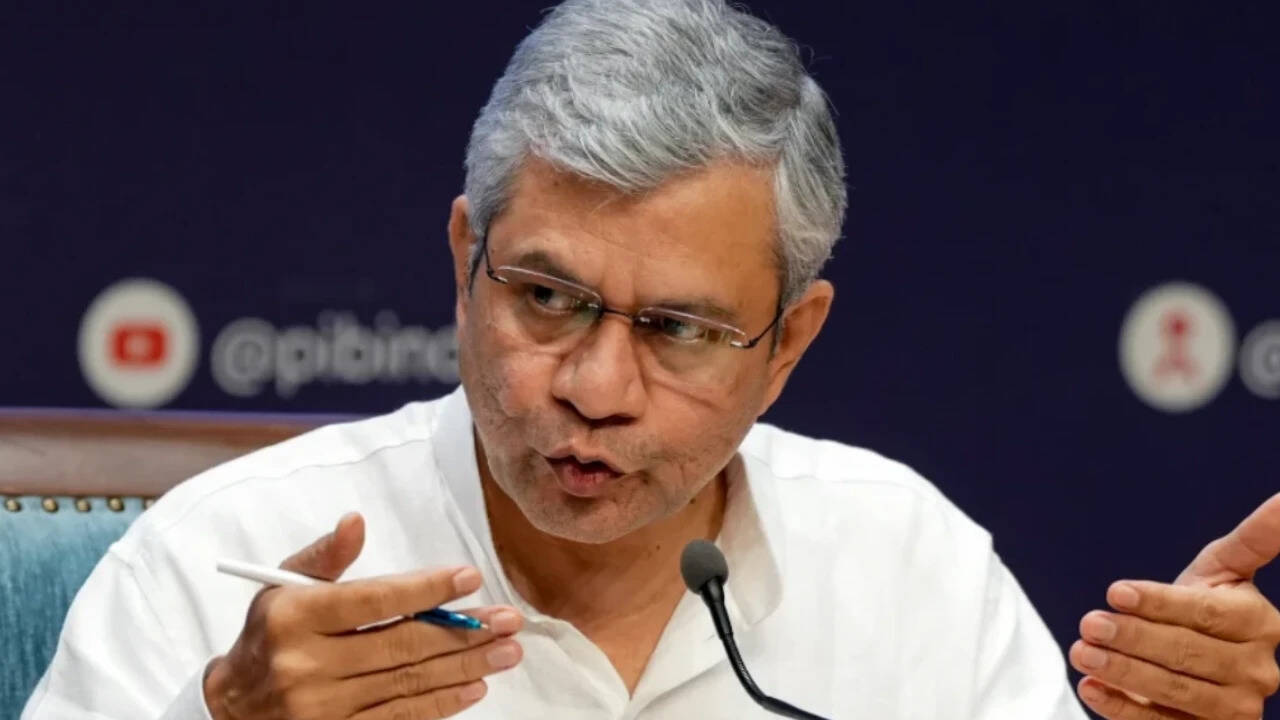

Centre open to amending DPDP Act rules or the law itself to address media concerns over its impact on press freedom, days after Supreme Court agreed to hear challenge
NEW DELHI: Centre Friday said it is open to changing the rules of Digital Personal Data Protection (DPDP) Act and, if necessary, the law itself to eliminate the possibility of its application becoming an impediment for journalists and media houses.Senior officials at the ministry for electronics & information technology said that sections of the law, which have been flagged as violative of the constitutional provisions guaranteeing freedom of speech and expression, are applicable to data fiduciaries and they are not for journalists."This law is only on data fiduciaries-those who keep and control data. Journalists and media houses do not come under this category," When told about the worry among journalists that DPDP Act does not expressly exempt media houses, he said, "The rules can always be amended to allay any concern on that count.
The rules have the same power as the law. If necessary, we can go a step further to change the law itself."The DPDP Act has been been justified in citing citizen's right to privacy, the need to protect data and in placing obligations on data fiduciaries.
Centre's reaction came days after the apex court agreed to examine a plea filed by Digital News Publishers Association (DNPA) which represents 21 of India's leading news media organisations and challenged the validity of various provisions of the act and rules framed under it.
The association alleged that the law was violative of the fundamental right to freedom of speech and expression and threatened the full spectrum of journalistic activity.Officials said that the the concern about the DPDP act becoming an impediment for journalists will be addressed by carving out exemptions for them in the rules and, if necessary, in the law itself.I&B minister Ashwini Vaishnav said on Friday that Section 7 of the DPDP Act is for data fiduciaries like banks, telecom providers and insurance companies and media does not come within its ambit. "This govt is committed to uphold the constitutionally guaranteed rights to freedom and expression". Section 7 says that "the personal data of a data principal may be processed by a data fiduciary (a) for the specified purpose for which the Data Principal has voluntarily provided her personal data.
.. and in respect of which she has not indicated... that she does not consent to the use of her personal data."
KioskNews shows a cleaned-up reading view extracted from the publisher’s page — the original always lives on their site, not ours.