Australia’s first GLP-1 weight-loss pill has been approved. How does it differ to injections and who will be eligible?
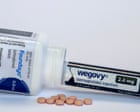
Australia’s first GLP-1 pill for weight loss has been approved for sale, meaning patients will be able to swap weekly injections for a daily tablet.
The Therapeutic Goods Administration (TGA) has approved Novo Nordisk’s Wegovy tablets and they are set to be available by Christmas.
What does it mean?
The decision will likely mean the drug is more accessible and affordable, although not all the details are clear yet.
The TGA has approved various strengths of the pills (from 1.5mg to 25mg) “as an adjunct to a reduced-energy diet and increased physical activity for chronic weight management (including weight loss and weight maintenance)”.
The dose starts low then escalates over 16 weeks, unless there are serious side-effects.
It is also approved to reduce the risk of heart attack or stroke.
The pill will be a daily instead of weekly dose of semaglutide, which is currently injected into the abdomen, thigh or upper arm. The injection requires refrigeration and extra equipment, such as swabs and a sharps container.
However, the pills are not entirely convenient. Patients must fast for eight hours before taking them with water, before avoiding food and drink for another 30 minutes.
Who is eligible?
Adults who are obese – with a body mass index (BMI) of 30 or higher – or overweight with a BMI of 27 to 30 with at least one “weight-related comorbidity” will be eligible.
The obesity medicine expert Dr Brendan Hanrahan, from Brisbane’s Wesley hospital, says there is a large range of those weight-related conditions, from knee osteoarthritis to fatty liver, and that he welcomes better access to the drugs that “have lived up to and exceeded the hype”.
He does question the use of BMI cutoffs, though, as scientists have long seen it as an inadequate measurement.
Waist circumference, where men are considered at risk if they are over 94cm and women if they are over 80cm, is a better measurement, he says. But there could still be “outliers”.
For example, an individual may have a joint condition exacerbated by any excess weight, even if their BMI and waist circumference are within the healthy range, while those outside the “healthy” range could still be healthy.
What are the risks?
As with many medications, there are a range of potential side-effects.
The TGA warns of stomach issues, which can cause dehydration. This, in turn, can cause renal failure. It also warns of the potential for acute pancreatitis and diabetic retinopathy.
Novo Nordisk lists potential gastrointestinal issues, including nausea, diarrhoea, vomiting and constipation, along with headache, fatigue, dizziness and more.
In rodent studies, Wegovy has been linked to thyroid tumours, including cancer.
There have also long been concerns that the existence of weight-loss drugs on the market can exacerbate eating disorders more broadly – including for people not on the medications. The TGA also says there have been reports of depression and suicidal thoughts and behaviours with GLP-1s.
There are also a range of concerns about GLP-1 interactions with other medications and pregnancy. Meanwhile, doctors have reported some people hiding their use of the drugs.
What don’t we know?
We don’t know yet how much the pills will cost, but it’s worth noting that the injectable version is not subsidised by the government (except for those with type 2 diabetes) so people pay privately, which can be thousands of dollars a year.
Although the government has indicated in the past that they should be listed on the Pharmaceutical Benefits Scheme as a weight-loss drug, it has struggled to agree with the manufacturers on the cost.
The endocrinologist John Wentworth told the ABC that TGA approval would lead to the drug being cheaper and more accessible.
“When the price comes down, we will be treating these just as we treat a blood pressure or a cholesterol medication because they have such powerful benefits to keep us well for longer,” he said.
KioskNews shows a cleaned-up reading view extracted from the publisher’s page — the original always lives on their site, not ours.