The Steam Deck's price in 2022 vs. 2026 has nearly doubled: here's why
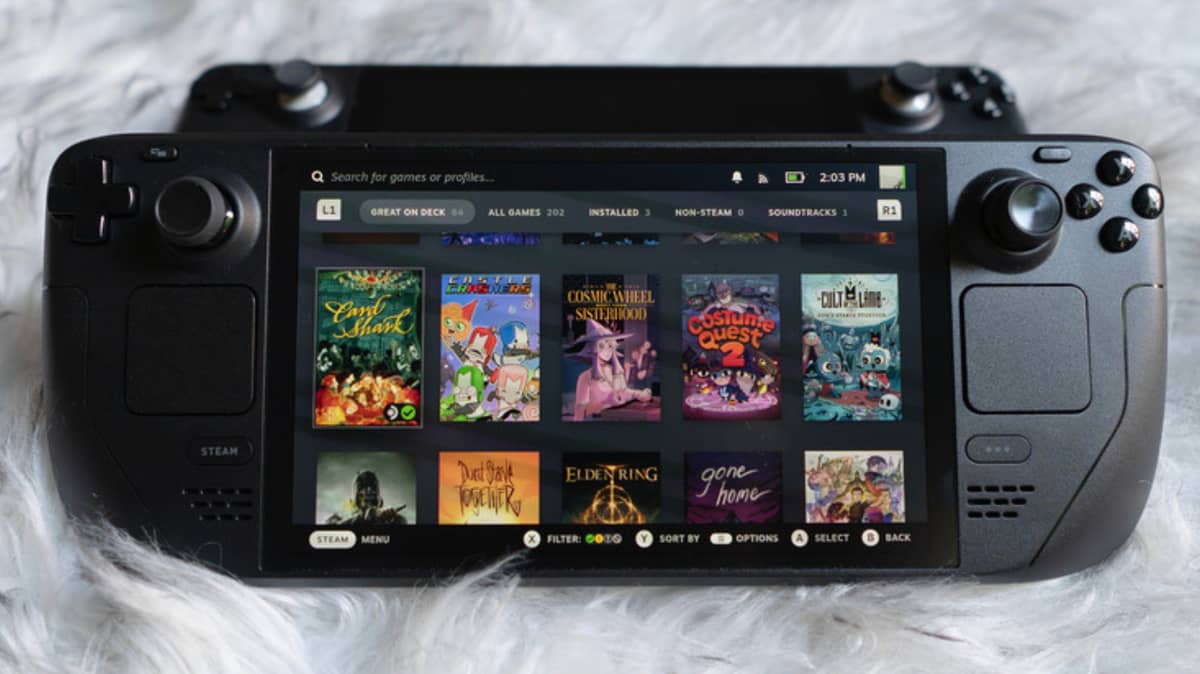
The $399 entry model is gone, and the OLED model that replaced it now costs $789.
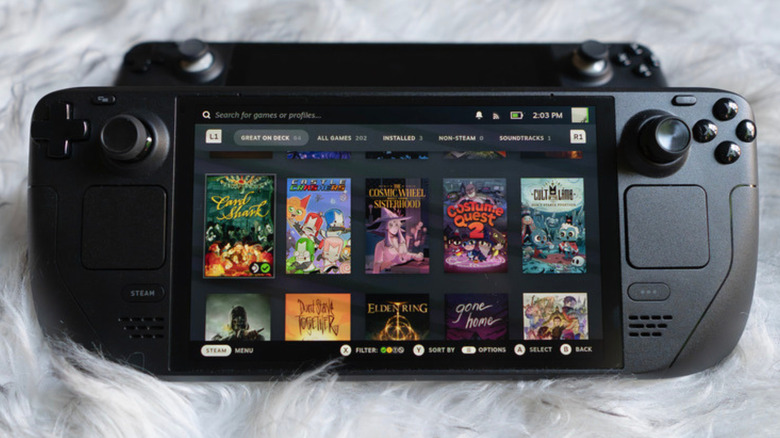
Jessica Conditt for Engadget
It's no secret that the AI boom hellscape has made just about everything with a chip in it more expensive, and the Steam Deck is no exception. When Valve launched the handheld back in early 2022, you could pick one up for $399. Today, the cheapest model is the 512GB OLED at $789 — almost double the release price.
The company stopped making the $399 LCD model at the end of 2025, then in May 2026, it raised the price of both OLED models by $240 and $300 respectively. In Valve's announcement, it stated that "Steam Deck itself hasn't changed" and blamed industry-wide component costs.
The components in question are memory and storage. Memory makers like Micron have aggressively diverted production away from consumer applications and toward AI data centers, and the resulting "RAMageddon" has catapulted prices higher. Those are the parts the Deck is built around, and anyone who wants something techy right now is paying for it dearly.
The 2022 and 2026 models aren't like-for-like, though. The 512GB version cost $649 at launch and is $789 now — that's about 22 percent more for a much better machine.
How much the Steam Deck cost in 2022
The OG Steam Deck came in three configurations. The $399 base model had 64GB of slower eMMC storage, while the $529 version packed a 256GB NVMe SSD and the $649 model had a 512GB NVMe SSD. All three shared a 7-inch, 1280 x 800 LCD running at 60Hz, with the most expensive model's screen also featuring anti-glare glass. Otherwise, the custom AMD chip, 16GB of LPDDR5 RAM and 40Wh battery were the same across models. The main benefit of spending more was additional (and faster NVMe) storage.
When Valve co-founder and president Gabe Newell sat down with IGN in July 2021, he said that the company had been "very aggressive" on pricing, and even described $399 as "painful" for Valve. He presented the low price as a way to establish a new category of gaming device, rather than to make money on the hardware.
That entry price held strong until November 2023, when Valve released its first hardware revision with an OLED model and reshuffled the Steam Deck lineup around it. That OLED model initially cost $549 for 512GB and $649 for 1TB, while swapping the LCD for a 7.4-inch HDR OLED screen running at up to 90Hz. Valve also moved the chip from a 7nm process to a more advanced 6nm process, while a 50Wh battery replaced the old 40Wh.
The 256GB LCD dropped from $529 to $399 at the same time and became the entry model, while the 64GB and 512GB LCDs were discounted until stock ran dry. The 512GB LCD cost $649 when it launched, so a buyer in 2023 paid $100 less than in 2022 for the same storage while getting the OLED screen, more efficient chip and bigger battery to boot.
Tier for tier, the Steam Deck got cheaper and better in its first two years. Even at $789, today's 512GB model costs about 22 percent more than its 2022 equivalent.
Why the price shot up in 2026
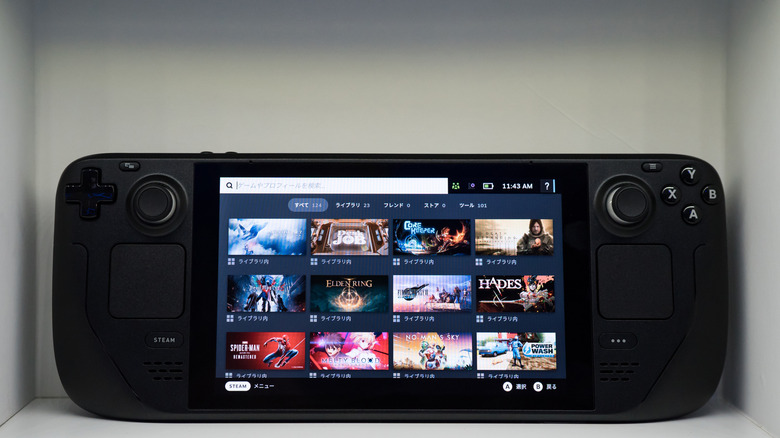
Tomohiro Ohsumi/Getty Images
Valve added a note to the Steam Deck's store page in December 2025 saying it had stopped producing the 256GB LCD. By mid-February 2026, the LCD model had sold out, pushing the Deck's starting price from $399 to $549. A second note warned that the OLED could be "out-of-stock intermittently in some regions due to memory and storage shortages."
Each Steam Deck OLED contains 16GB of LPDDR5 RAM and a 512GB or 1TB SSD, both deprioritized by memory makers in favor of AI servers. TrendForce put the first-quarter 2026 rise in mobile memory contract prices at around 90 percent, with NAND flash (the memory inside SSDs) up 55 to 60 percent. It then forecasted further increases of 58 to 63 percent for DRAM and 70 to 75 percent for NAND in the second quarter, when Valve repriced the Deck.
But Valve isn't alone here. Sony raised the price of the PlayStation 5 in April 2026, while Nintendo added $50 to the Switch 2's price in the US in September, even though Bloomberg reported that its cost for the console's 12GB of RAM jumped 41 percent in one quarter. However, Valve raised the 512GB Deck by 44 percent, more than twice Sony's increase and four times Nintendo's.
When it priced the Steam Machine at $1,049 in June, Valve said component costs had made its original price goal "no longer viable." With little margin built into its hardware, Valve passed the higher memory bill straight on to buyers.
What a Steam Deck costs now
Valve presently sells the Steam Deck OLED at $789 for 512GB and $949 for 1TB. The latter costs more than an $899 PS5 Pro, while the 512GB model costs $289 more than a $499.99 Switch 2 (see our Steam Deck vs. Switch 2 comparison). Asus' ROG Xbox Ally X (a Windows handheld) launched at $999.99 in October 2025, just $210 above the cheaper Deck.
Boiling Steam, a Linux gaming site, estimated from Steam's revenue-ranked top sellers chart that weekly sales fell from 11,000 to 18,000 units in 2025 to between 1,400 and 3,000 after the May increase, a drop of up to 82 percent. Valve doesn't publish hardware sales, however, so these are estimates. We've weighed up whether the Steam Deck is still worth it in 2026 separately.
Valve is currently working on a Steam Deck successor, but hasn't yet given it a price or release date. Given that TrendForce still expects conventional DRAM contract prices to rise another 10 to 15 percent this quarter, it probably won't be good news when it eventually arrives.
KioskNews shows a cleaned-up reading view extracted from the publisher’s page — the original always lives on their site, not ours.