Bird flu kills US resident after dairy cow exposure, marking nation’s third death

A resident of Yakima County, Washington, has died from complications of bird flu, public health officials confirmed, marking a rare fatal human case of the virus in the United States.
The individual, who had underlying medical conditions, was hospitalized with severe illness after contracting avian influenza through exposure to infected livestock at a local dairy facility.
Local officials declined to release the person’s name, age or gender, citing privacy concerns.
"Our hearts go out to the individual's family and loved ones during this difficult time," Dr. Dave Atteberry, health officer for the Yakima Health District, said in a statement.
"Avian influenza can cause severe illness, particularly among people who have underlying health conditions," he went on. "While this is a serious and heartbreaking outcome, the risk to the general public remains low."

Officials strongly urge dairy and agricultural workers to take precautions and contact health authorities immediately if they develop symptoms after exposure to infected cattle. (iStock)
Health officials on Monday also confirmed a third human case of avian influenza in Yakima County. That individual, who was also exposed to infected dairy cattle at a local farm, has not been hospitalized and has not experienced severe illness.
Public health teams are actively tracing and monitoring close contacts of both individuals for potential symptoms.
RARE TICK-BORNE VIRUS TURNS DEADLY FAST AS US CASES REACH RECORD HIGH, EXPERTS WARN
"People at greater risk include dairy workers and others who have close or prolonged contact with infected animals or environments contaminated with the virus," the health district said in an advisory.
"If you work on a dairy farm and develop symptoms after potential exposure to infected cattle, contact your health care provider or the Yakima Health District."
What is bird flu?
Avian influenza, or bird flu, is a disease caused by influenza type A viruses that typically spread among wild aquatic birds and domestic poultry, according to the Centers for Disease Control and Prevention.
In recent years, an outbreak of the H5N1 strain has expanded beyond birds to infect various mammals, including domestic dairy cows and outdoor livestock.
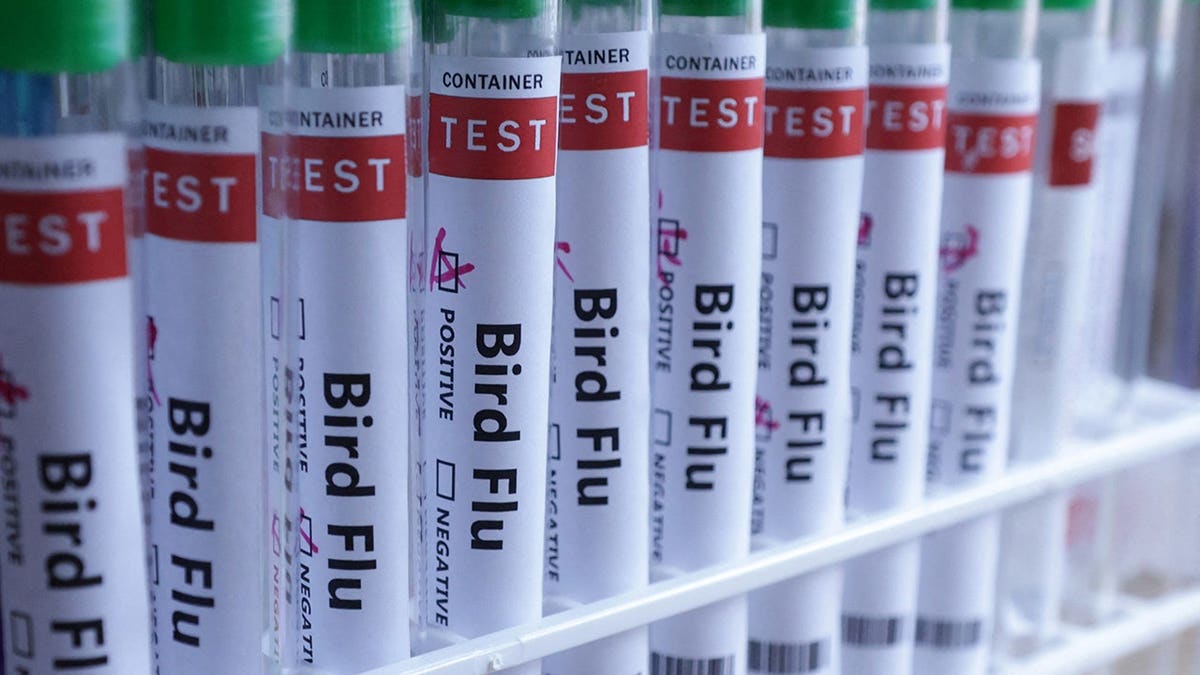
The individual contracted the virus through direct exposure to infected cattle at a local dairy facility. (Dado Ruvic/Reuters)
Federal and state health officials emphasize that the overall risk to the general public remains low.
Person-to-person spread of bird flu is extremely rare and has not been identified in the U.S., according to the CDC.
CLICK HERE FOR MORE HEALTH STORIES
Agricultural workers, veterinarians and people in close, prolonged contact with infected animals, raw milk or contaminated manure are at the greatest risk of exposure, the above agency states.
Commercial pasteurized milk and properly cooked poultry remain safe to consume, as heat kills the virus.
TEST YOURSELF WITH OUR LATEST LIFESTYLE QUIZ
Symptoms and prevention
Bird flu infections in humans can range from mild to severe. The most common symptoms reported in recent farm-related cases include the following.
- Eye redness, discharge or inflammation (conjunctivitis, or pinkeye)
- Cough, sore throat or runny nose
- Fever or chills
- Fatigue, headache and muscle aches
- Shortness of breath or difficulty breathing (in severe cases)

Public health investigators are tracing and monitoring close contacts of both infected individuals to check for symptoms and halt any potential spread. (iStock)
Health authorities advise the public to avoid handling sick or dead wild birds and livestock.
CLICK HERE TO SIGN UP FOR OUR HEALTH NEWSLETTER
Farm personnel and dairy workers should wear recommended personal protective equipment — such as N95 respirators, eye goggles and fluid-resistant gloves — whenever handling potentially infected livestock or contaminated surfaces.
Anyone developing respiratory or eye symptoms after animal exposure should seek medical evaluation promptly.
CLICK HERE TO DOWNLOAD THE FOX NEWS APP
The Yakima Health District updates its local avian influenza case figures and guidance twice weekly, on Mondays and Thursdays at 2 p.m.
Khloe Quill is a lifestyle writer with Fox News Digital. She and the lifestyle team cover a range of story topics including food and drink, travel, and health.
KioskNews shows a cleaned-up reading view extracted from the publisher’s page — the original always lives on their site, not ours.