REE export curbs can help Malaysia move up value chain, say experts
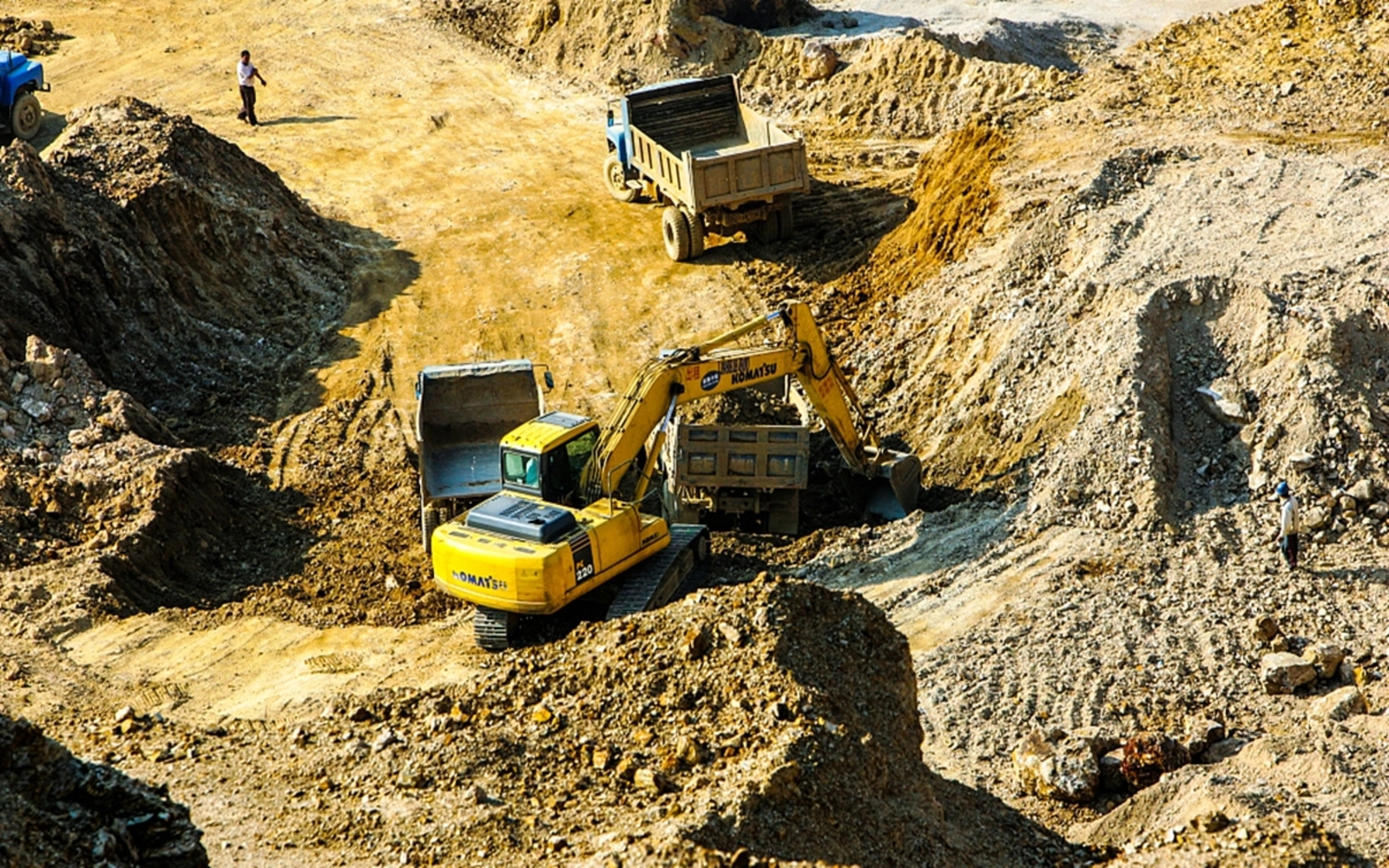
Restrictions on raw rare earth element (REE) exports can help Malaysia build its processing and downstream industries, but only if domestic capabilities are developed at the same time, say experts.
Universiti Kebangsaan Malaysia’s (UKM) Idzat Idris said restricting raw REE exports could encourage more local processing and manufacturing instead of exporting the material at a lower value.
He said Malaysia could capture greater value through separation, purification, high-purity REE production, alloys, high-performance magnets and advanced materials.
“This could benefit industries such as electric vehicles, high-efficiency motors, wind turbines, electronics, robotics, aerospace, defence and medical equipment,” he told FMT.
However, Idzat warned that without sufficient local technology and processing capacity, the restrictions could lead to stockpiling, weaker prices for miners, illegal exports or dependence on a single foreign technology provider or buyer.
The government imposed a moratorium on exports of raw non-radioactive REE on Jan 1, 2024, aimed at developing domestic midstream processing and downstream manufacturing.
Environmental economist Norlida Hanim Salleh said the moratorium could help prevent a repeat of Malaysia’s experience with other mineral resources, citing the tin industry where much of the value was generated after the raw material left the country.
Malaysia was once the world’s largest tin producer and exporter, but the majority of the industry remained concentrated on extraction and exports rather than developing broader higher-value industries.
“When industry players with different technologies and expertise come together under a national consortium, development can be more organised and focused, while making it easier for the government to channel support,” Norlida said.
The science, technology and innovation ministry is working with researchers and the industry to develop local REE technology and turn research into commercial applications.
Its research priorities include advanced separation processes, magnet recycling and greener extraction methods, supported through initiatives such as the Strategic Research Fund and Moonshot REE programme.
Science, technology and innovation minister Chang Lih Kang previously stressed the need for closer cooperation between the government, researchers and industry to develop the sector.
At the XThREE seminar in November last year, Chang said the global race for critical minerals was not merely about economic gain but strategic resilience and technological sovereignty.
To that end, the ministry established facilities such as Terra Mineral Lab, which analyses and verifies mineral content, and Malaco Mining’s pilot plant for separating REE.
It has also identified the National Advanced Materials Consortium as part of its efforts to accelerate local REE technology development, commercialisation and the training of skilled workers.
Meanwhile, industry consultant Teoh Lay Hock said the restrictions on raw REE exports could hurt upstream investment if there were no domestic buyers for locally produced rare earth carbonate.
He suggested allowing limited exports while local processing capacity is developed, and progressively reducing them as domestic demand grows.
Foreign participation still needed
Norlida said Malaysia was not yet fully equipped to develop the entire value chain on its own, and would still need investment and expertise from more technologically advanced countries.
She said foreign partnerships should be structured around measurable technology transfer and meaningful local participation.
“Foreign and local ownership should be balanced, with Malaysians represented across administrative and technical roles. Technology transfer must be measurable and tied to clear timelines, with incentives for companies that deliver it,” she said.
Enforcement key to sustainable REE mining
Idzat said Malaysia’s environmental impact assessment requirements and SOPs for non-radioactive REE mining formed a reasonable foundation, but their effectiveness would depend on proper implementation, independent monitoring and strict enforcement.
He called for stronger federal-state coordination, sufficient technical expertise among regulators and greater public access to monitoring data.
Idzat said REE projects also required close monitoring because mining and processing could mobilise or concentrate naturally occurring radioactive materials such as thorium.
“Monitoring should cover groundwater, surface water, soil, sediment and radiation levels, including for nearby and downstream communities.
“Clear safety limits and stop-work procedures must be established if unusual increases in thorium, other contaminants or radiation levels are detected.”
Subscribe to our newsletter and get news delivered to your mailbox.
KioskNews shows a cleaned-up reading view extracted from the publisher’s page — the original always lives on their site, not ours.