From missiles to radars, DAC clears ₹1.1L-cr defence boost, pushes self-reliance and manufacturing
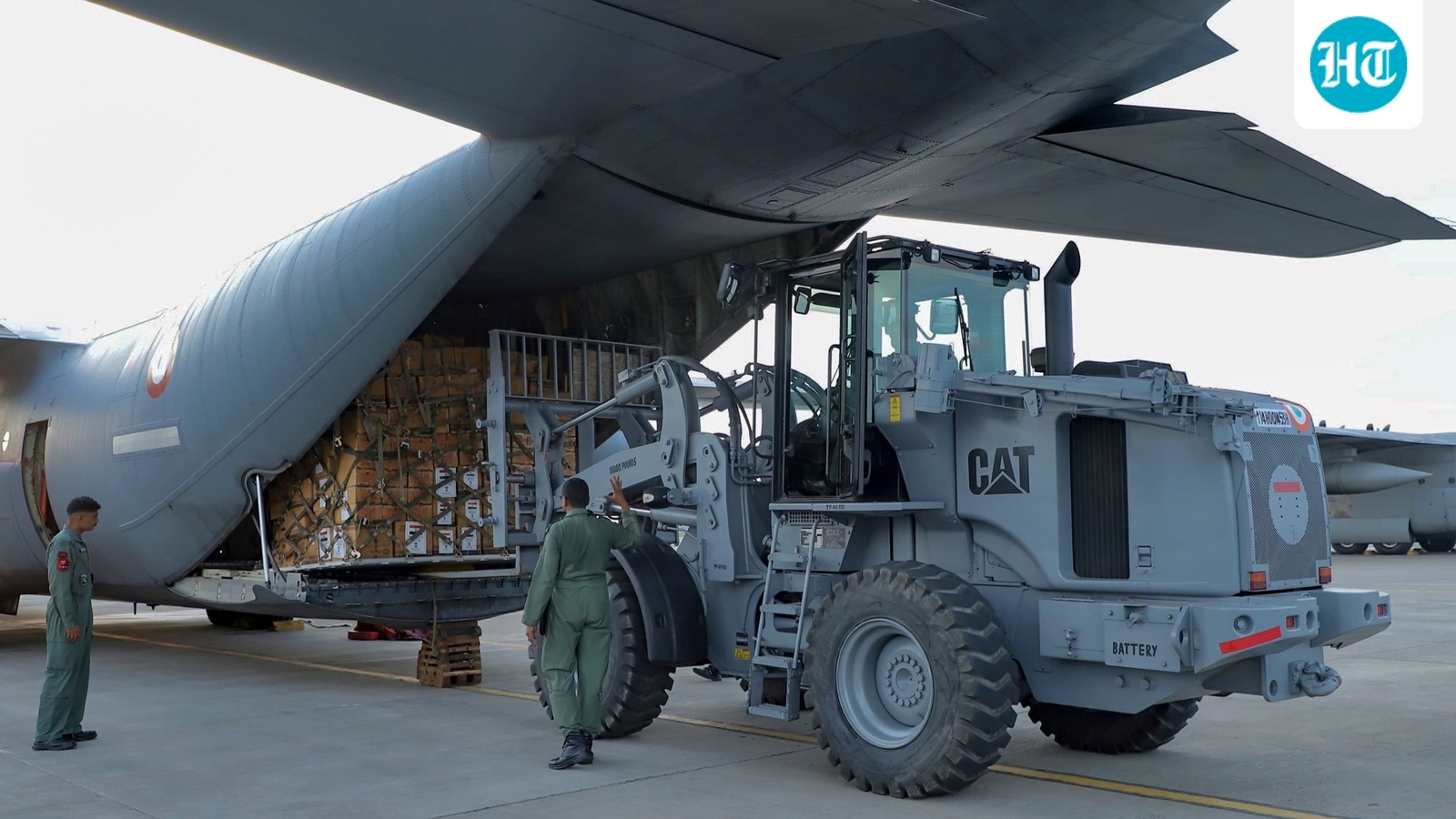
The proposal clearance came from the Defence Acquisition Council (DAC) , chaired by defence minister Rajnath Singh.

 Prefer HTon Google

The defence acquisition council (DAC) on Monday cleared proposals worth ₹1.1 lakh crore to sharpen the capabilities of the armed forces, including systems to enhance the war-fighting capability of fighter jets, transport planes and helicopters, new advanced light helicopters and chemical biological radiological and nuclear (CBRN) recce vehicles for the army, and Arudhra radars for the navy, the defence ministry said.
The plan to boost the Indian Air Force’s capabilities includes a pilot project to integrate Russian-origin RVV BD long-range air-to-air missiles with Sukhoi-30 fighters, people aware of the matter said.
The DAC, headed by defence minister Rajnath Singh, also accorded its Acceptance of Necessity (AoN) for a ground-based multi-purpose jammer (GBMPJ) for the IAF, the design, development, and subsequent procurement of marine gas turbines (MGT) for the navy, and high mobility vehicles for the army.
Also Read I An ambitious defence vision
Boosting self-reliance in defence sector
Under India’s defence procurement rules, AoN by the council is the first step towards buying military equipment. “Of the total AoNs accorded, approximately 98% of procurements will be made from the Indian Industry,” the defence ministry said.
India has taken several measures to boost self-reliance in the defence manufacturing sector in recent years. These measures include imposing phased import bans on different types of weapons, systems, ammunition, and critical sub-systems and components, creating a separate budget for buying locally made military hardware, increasing foreign direct investment (FDI) from 49% to 74%, and improving ease of doing business.
The government aims to achieve defence manufacturing worth ₹3 lakh crore by 2029-30 --- in 2025-26, India achieved defence production worth ₹1.8 lakh crore.
Fresh equipment boosts defence capability
The GBMPJ will provide effective jamming against radars of adversaries; the CBRN recce vehicles will be capable of detecting, identifying, monitoring and marking areas contaminated with CBRN agents; and Arudhra radars will replace the existing air route surveillance radars at various naval air stations and MGT, a warship propulsion system, will reduce dependency on foreign vendors, the defence ministry said.
High mobility vehicles will enhance operational capabilities, logistics support and mobility in challenging terrains, and self-propelled mechanical mine layers will be critical for fast and responsive minelaying in difficult terrains, it added.
Also Read I India moves to buy 5 more S-400s after Op Sindoor success; Russia sends cost proposal
The systems cleared for the army include trawl tanks and Sarvatra bridge system. These systems “will provide composite crossings to fighting formations during operations in varied terrains,” the defence ministry said in a statement.
Approval was also accorded for installing the Defence Forces Secure Access Card system. It will replace existing paper-based identity cards, passes, and permits with an interoperable radio frequency identification-based smart card system.

Rahul Singh is Defence Editor at Hindustan Times and has covered military affairs and national security for nearly 25 years. Apart from extensive and deep reporting on the Indian military, including several newsbreaks that have set the national news agenda over the years, Rahul has reported from conflict zones including Jammu & Kashmir, India’s North-east and the Democratic Republic of Congo. Rahul has co-authored the bestselling 'India's Most Fearless' series of books on recent Indian military operations. Widely read and translated into multiple languages, the books place an emphasis on firsthand accounts of daring missions across the three services. His work has been adapted into web series and films including the National Award-winning Amaran. Rahul comes from an Army background and attended schools across the country before completing his education from Panjab University, Chandigarh. Grew up playing tennis, now mostly cheers from the sidelines. Works in Delhi, heart in the mountains.Read More
KioskNews shows a cleaned-up reading view extracted from the publisher’s page — the original always lives on their site, not ours.