US Judge Blocks Trump Visa Curbs On Foreign Students, Journalists
A US federal judge on Monday postponed implementation of a Trump administration policy that would impose stricter limits on how long foreign students and journalists can study or work in the United States.
The preliminary injunction from District Judge Dennis Saylor came one day before the new visa rules from the Department of Homeland Security (DHS) were scheduled to take effect.
Under the proposed new rules, foreigners on student visas would be admitted for a maximum of up to four years after which they would have to apply for an extension. International students were previously allowed to remain for the duration of their studies.
Foreign journalists would be limited to stays of just 240 days, or around eight months, but could apply for extensions of similar duration. Until now they could stay up to five years.
Chinese journalists would get just 90 days, with extensions of 90 days.
A coalition of unions representing universities, teachers and journalists had filed a lawsuit challenging the visa restrictions.
Saylor put implementation of the new DHS rules on hold for now without ruling on the merits of the case and scheduled another hearing for October 2.
But in an accompanying memo, the judge expressed skepticism about the visa restrictions on international students and journalists.
He said the current system has permitted tens of millions of foreign students to come to the United States, resulting in "groundbreaking research in science, medicine, and technology, substantial economic growth, and a host of other benefits."
"Rather than attempt to improve that system, DHS elected to replace it with a new program that will substantially restrict the overall number of foreign students, researchers, professors, and journalists," he said.
The judge said that under the new rules, DHS denials of visa extensions would be "entirely discretionary and unappealable."
"A DHS official -- based on limited and vague criteria, and with no possibility of appeal -- will have the power to cut short the academic, research, or teaching activities of any non-US citizen for no reason or any reason."
Foreign journalists applying for visa extensions would also have "no recourse and no appeal" in the event they are turned down, Saylor said.
"The possibilities for abuse are rampant -- in particular, the obvious likelihood that the visas of foreign journalists who are critical of the government (or, more particularly, DHS officials) will not be renewed," he said.
'Absurd'
When it proposed the rule, DHS cited national security grounds, an argument the judge said "borders on the absurd" and was "based almost entirely on a small handful of anecdotes."
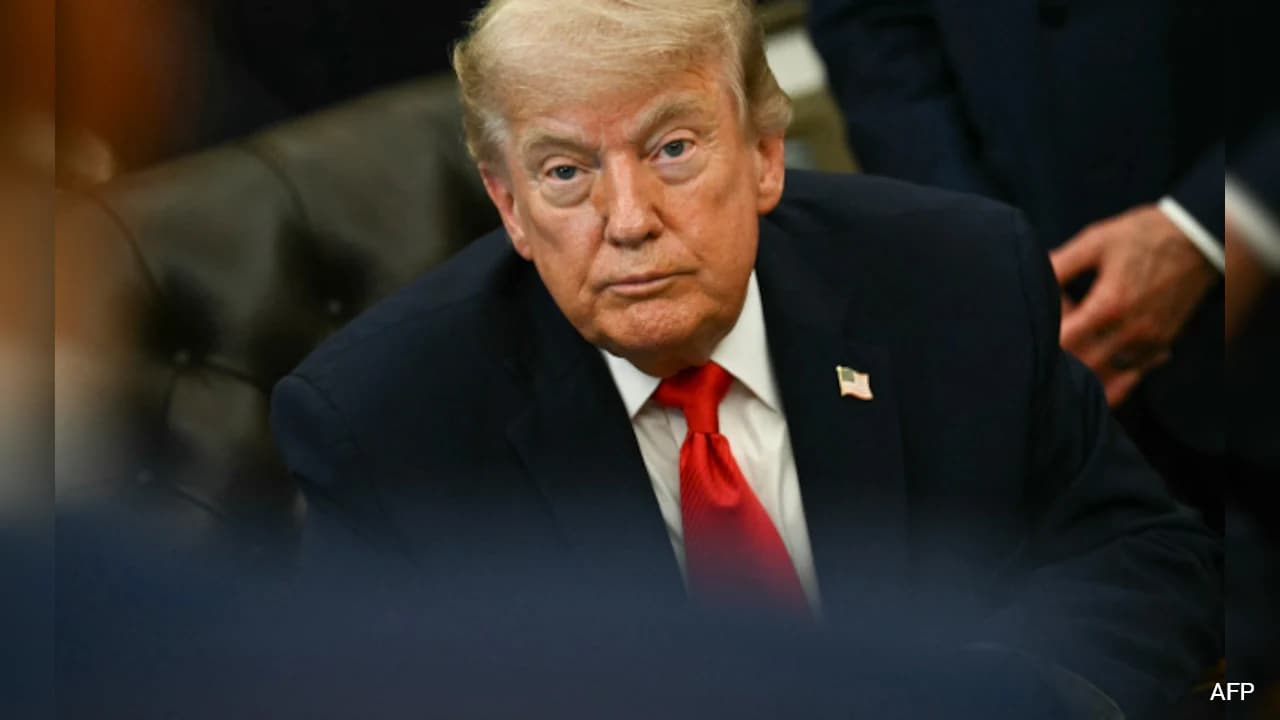
The visa restrictions are part of a broader immigration crackdown by President Donald Trump spanning aggressive enforcement operations in major cities as well as new restrictions on legal pathways to citizenship.
The United States welcomed more than 1.1 million international students in the 2023-24 academic year, more than any other country, according to official data.
(Except for the headline, this story has not been edited by NDTV staff and is published from a syndicated feed.)
KioskNews shows a cleaned-up reading view extracted from the publisher’s page — the original always lives on their site, not ours.