‘Forgotten Island’ introduces underrepresented Filipino culture to the world
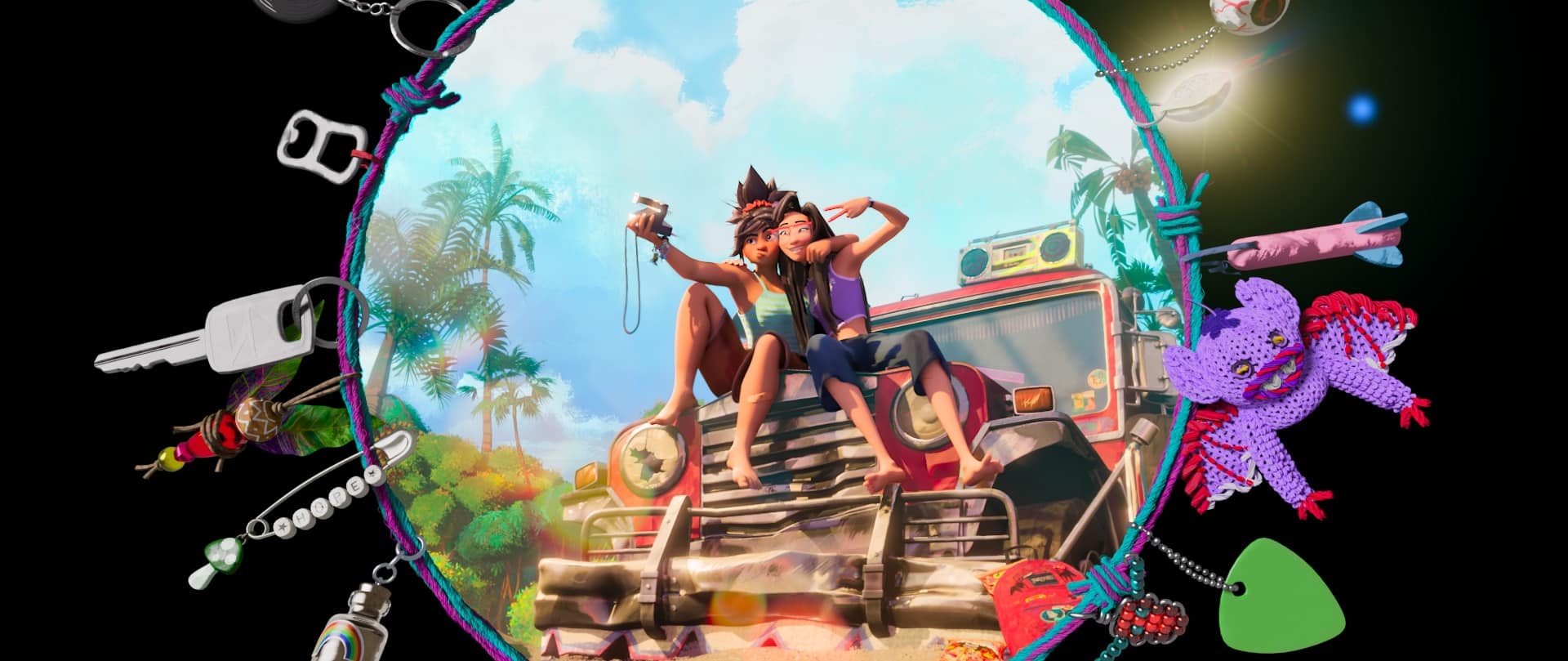
If there is one thing that audiences try to find in a narrative, it is the ability to relate to it in whatever way that may be. As creatives say, “Representation matters,” and the DreamWorks Animation’s “Forgotten Island” attests to this notion.
Inspired by Filipino culture and mythology, the animated film is set in the 1990s Philippines as it follows two childhood friends, Jo (H.E.R) and Raissa (Liza Soberano), who become trapped in the mystical world of Nakali.
From the get-go, the film is very conscious of bringing Filipino culture to the screen, not only through its larger cultural elements but also through the small details that make the experience feel so familiar for Filipino viewers.
Article continues after this advertisement
There is the karaoke that has become a staple in many Filipino family gatherings, the food, the traditions, the way families interact, and even the familiar presence of a Lola. For Filipinos who grew up close to their grandparents, these details can resonate deeply.
FEATURED STORIES
ENTERTAINMENT
ENTERTAINMENT
ENTERTAINMENT
READ: ‘Forgotten Island’ directors tells Hollywood: Filipino films not just for Filipinos
The film also incorporates the Tagalog language, allowing Filipino characters to speak in a way that feels natural to the culture being portrayed. But one of the most exciting parts of “Forgotten Island” is the way it brings Filipino folklore and mythology to a major animated film.
The story takes audiences to the mythical island of Nakali, where Filipino folklore becomes part of the adventure. Creatures and stories that many Filipinos may have encountered growing up are introduced to viewers who may be encountering them for the first time. Lea Salonga, for instance, voices the manananggal, one of the most recognizable creatures in Philippine folklore.
For Filipino audiences, there is a certain joy in seeing these stories treated as something worth discovering because these are the narratives that have been passed down through families and generations. Now, they are being introduced to a much wider audience. That is what makes the film’s cultural representation so meaningful.
Article continues after this advertisement
Filipino culture has appeared in international films and television before, but “Forgotten Island” gives audiences an opportunity to see aspects of it that are not always represented on a global scale. And it does so without making Filipino culture feel like a background detail.
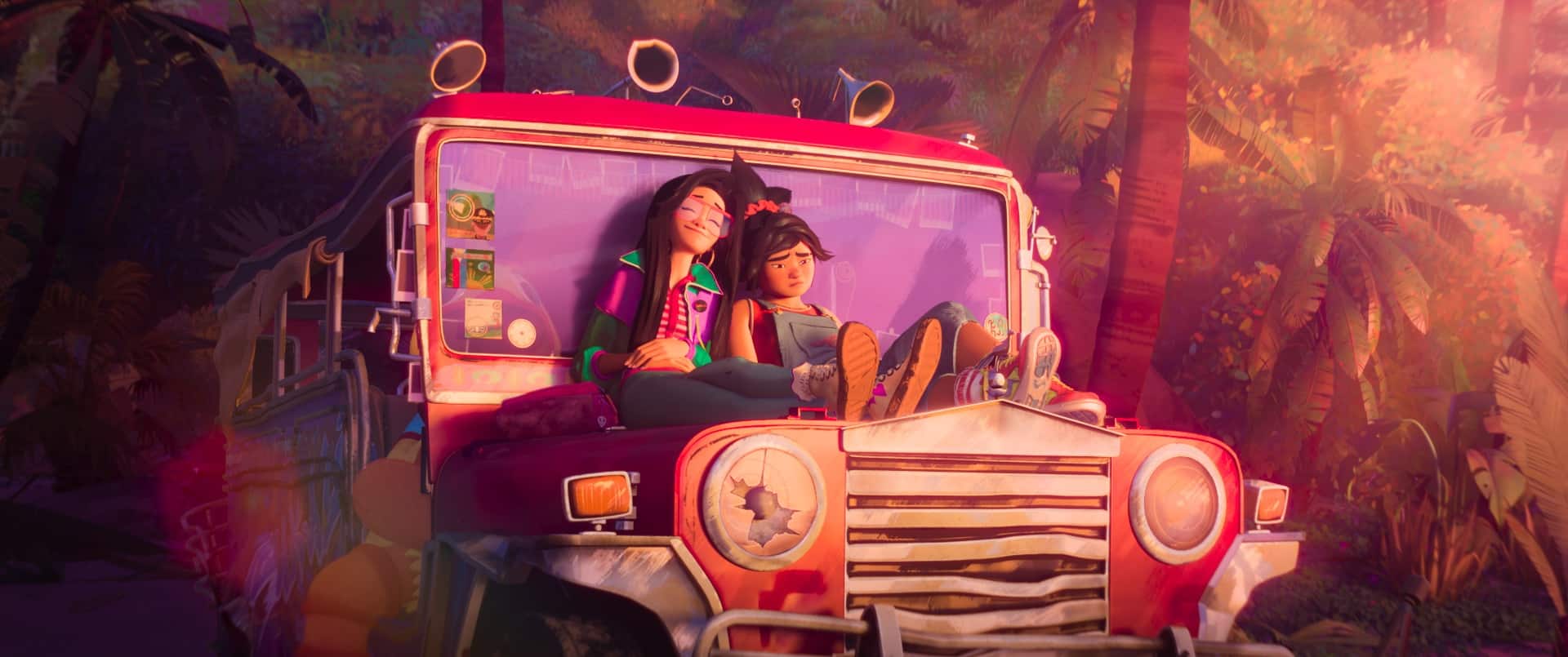
But even with all its distinctly Filipino elements, “Forgotten Island” does not require its audience to be Filipino to understand its heart. Jo and Raissa’s journey to Nakali forces them to confront their friendship and the possibility of losing the moments that made them who they are.
Article continues after this advertisement
This is where the film becomes something everyone can relate to. It is a story about platonic friendship, found family, and the reality of growing up. It is about the people who become part of our lives and the memories we carry with us even when life takes us in different directions.
The idea of memories is fitting for a film rooted in Filipino culture because many of the things that define us are not necessarily the big moments. Sometimes, they are the songs played during family karaoke nights, the food prepared for a celebration, the stories told by a grandparent, or the traditions we grew up thinking were simply normal.
We do not always realize how much these little things become part of us until we see them reflected somewhere else. “Forgotten Island” takes those familiar pieces of Filipino life and places them inside a colorful, fantastical adventure.

In doing so, it gives Filipino audiences something to recognize while giving the rest of the world something new to discover. That is the film’s biggest achievement: it does not simply tell the world that Filipino culture exists. It gives audiences a chance to experience the things that make us Filipino.
For a culture that has often been underrepresented in global mainstream, being seen this way matters. “Forgotten Island” makes the familiar worth discovering. It reminds us that the things we sometimes take for granted can be the very things worth remembering.
Your subscription could not be saved. Please try again.
Your subscription has been successful.
The animated film, which also features the voices of Dave Franco, Jenny Slate, Manny Jacinto, Dolly de Leon, and Jo Koy, premieres in local cinemas on Sept. 23.
KioskNews shows a cleaned-up reading view extracted from the publisher’s page — the original always lives on their site, not ours.