Cats and mind-full mechanics: what happens when quantum physics meets the brain
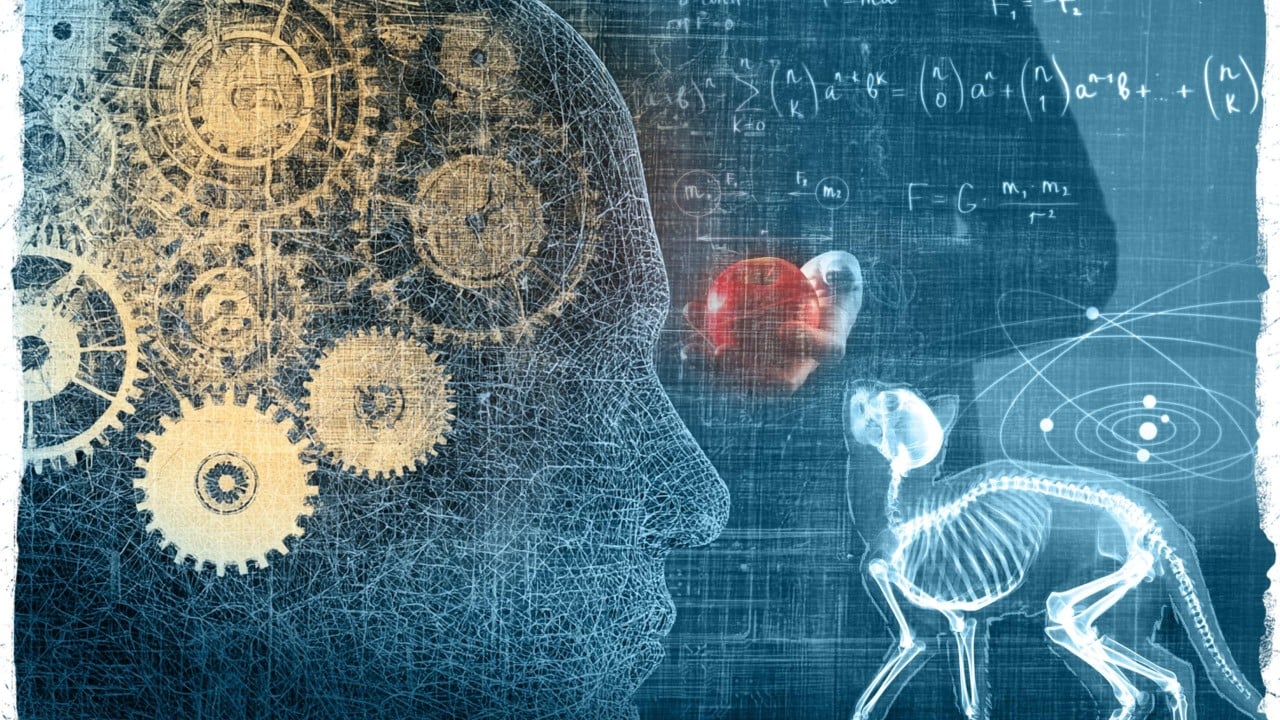
Frank Anthony Wilczek, an American theoretical physicist and mathematician, was awarded the Nobel Prize in Physics in 2004 for his discovery of asymptotic freedom in the theory of the strong interaction.
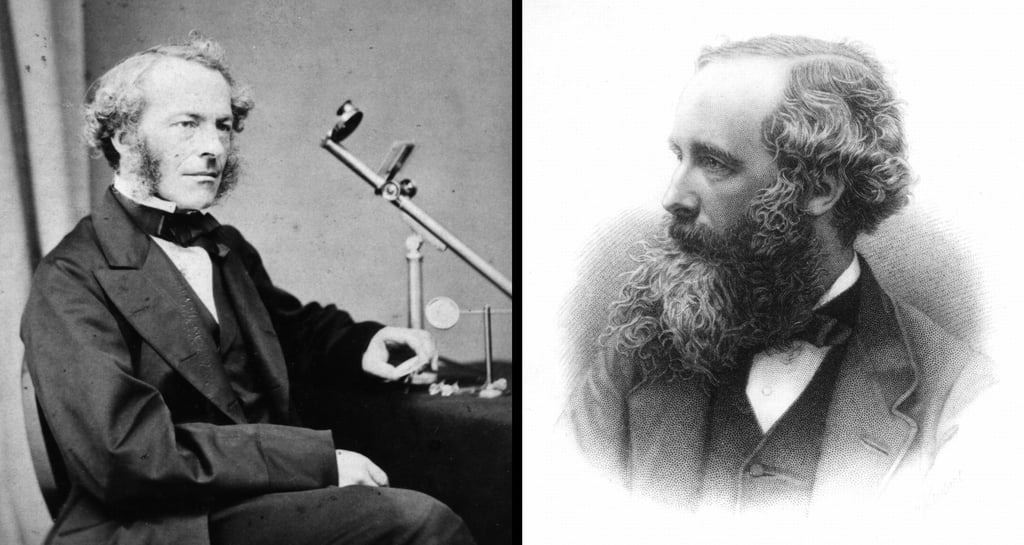
Cats are wonderful gymnasts. Their ability to land on their feet – even when dropped upside-down – caught the attention of two of the nineteenth century’s greatest mathematical physicists, Sir George Gabriel Stokes and James Clerk Maxwell.
The remarkable feats of cats inspired these theorists to perform, in the 1850s, legendary experiments in “cat-turning”, as Maxwell later described:
“There is a tradition in Trinity that when I was here I discovered a method of throwing a cat so as not to light on its feet, and that I used to throw cats out of windows,” he wrote.
“I had to explain that the proper object of research was to find how quick the cat would turn round, and that the proper method was to let the cat drop on a table or bed from about two inches, and that even then the cat lights on her feet.”
These pioneering experiments in cat-turning were limited by the available technology. High-speed photography revolutionised the subject. Etienne-Jules Marey developed a chronophotographic camera that could record 12 frames per second, and in 1894 he published a classic, delightful series of stop-action photographs that reveal the sequence of actions through which cats reorient themselves on the fly (literally) and stick the landing.
In 1969 a now-classic dynamical model appeared. Even today the subject is not exhausted: a 2026 study began replacing idealised hinges and cylinders with measured properties of a real cat’s spine.
KioskNews shows a cleaned-up reading view extracted from the publisher’s page — the original always lives on their site, not ours.