36 Years Ago, DC's Best Comic Of The 1980s Introduced The Objective Most Powerful Comic Character Of All Time
This article covers a developing story. Continue to check back with us as we will be adding more information as it becomes available.
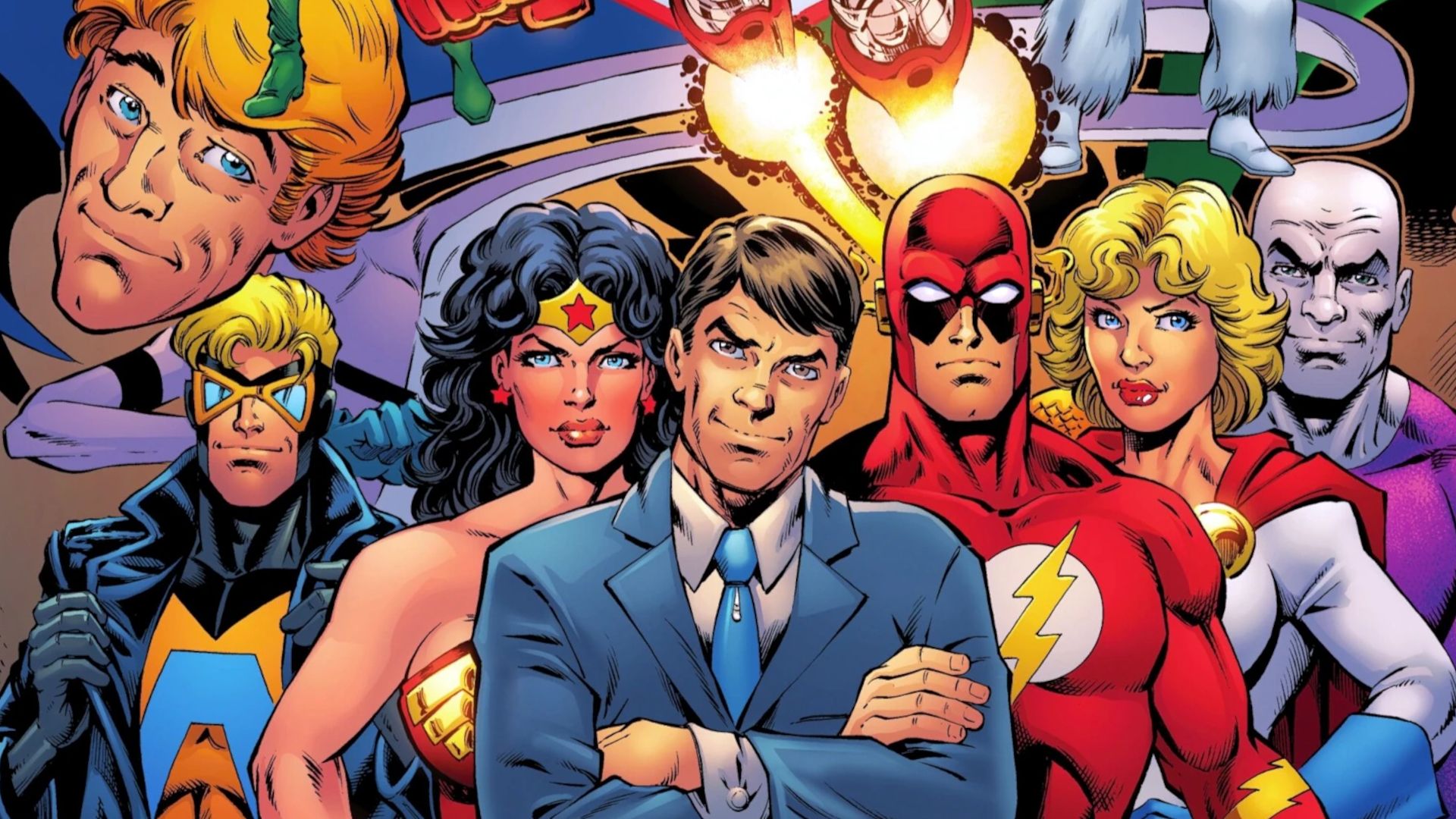
It's a simple enough approach to point to proverbial gods or creator figures as the be-all in terms of power in the known universe, but it's another matter entirely for any one person to dictate the fate of an entire multiverse. DC Comics and its enormous reserve of superheroes, supervillains, and those in between including deities, has no shortage of multiversal-scale threats, particularly during and after the events of Crisis on Infinite Earths. But in 1990, capping off 26 issues of an incredibly well-received run on Animal Man, Grant Morrison took a bold swing by breaking the fourth wall, becoming one with the story personified as The Writer, the most powerful figure in Buddy Baker's life.
This particular move by Morrison created a particular existential impasse for Buddy Baker, who, after experiencing harrowing tragedy and encountering other obscure characters in Comic Book Limbo, was forced to bend to Morrison's whims as the story concluded. It's a brilliant and often-discussed conclusion to a deeply idiosyncratic comic book run drawing the line between a character's identity, and the ideologies they may adopt based on who is writing them at the time. The Writer may have eventually been killed off in John Ostrander's Suicide Squad #58 after writer's block prevented them from conceiving a way to survive, but in Animal Man #26, The Writer was in absolute control, and it was a sight to behold.
DC Introduced A Godly Figure In Animal Man's Glory Days, And It Was Perfect
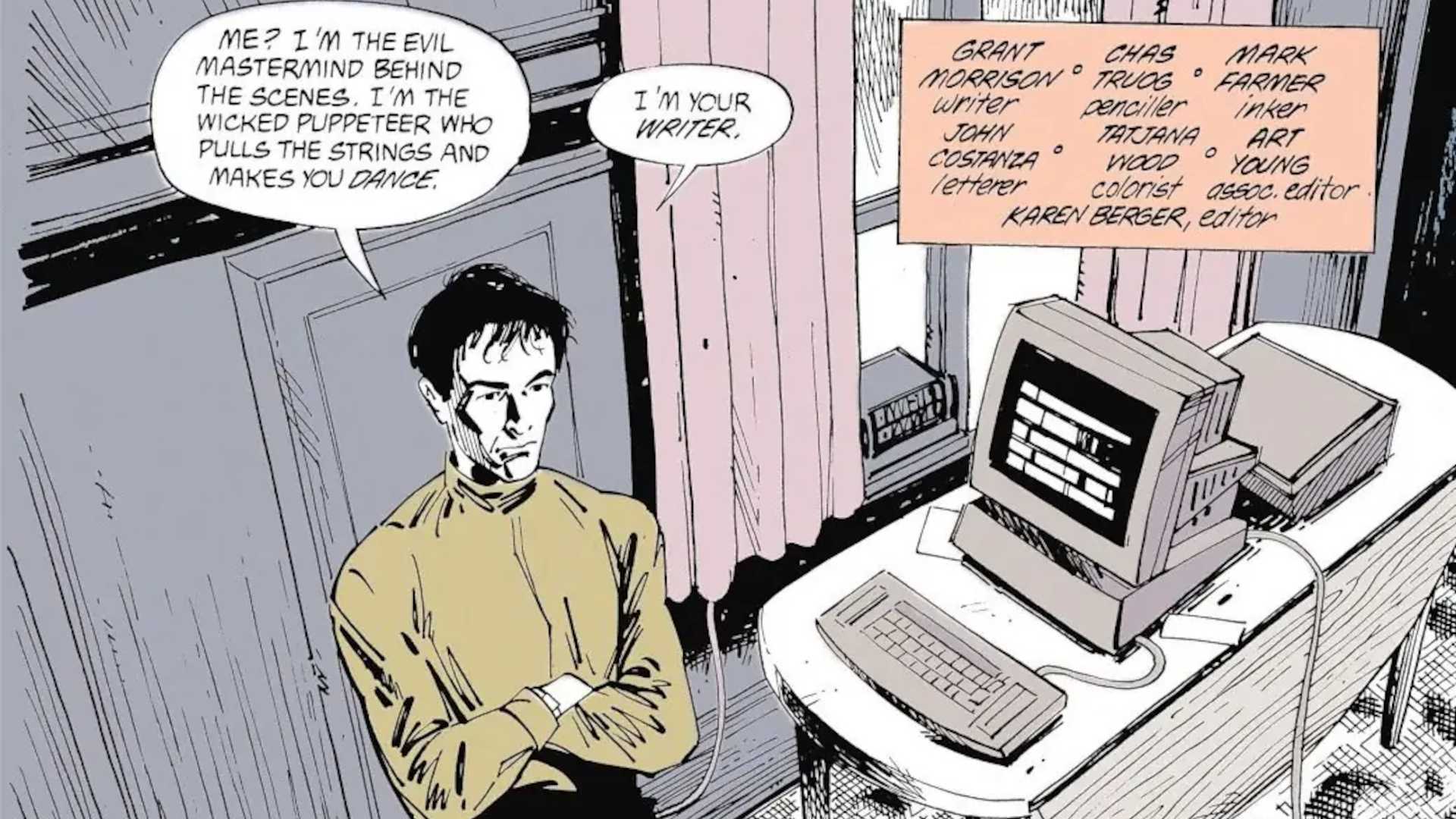
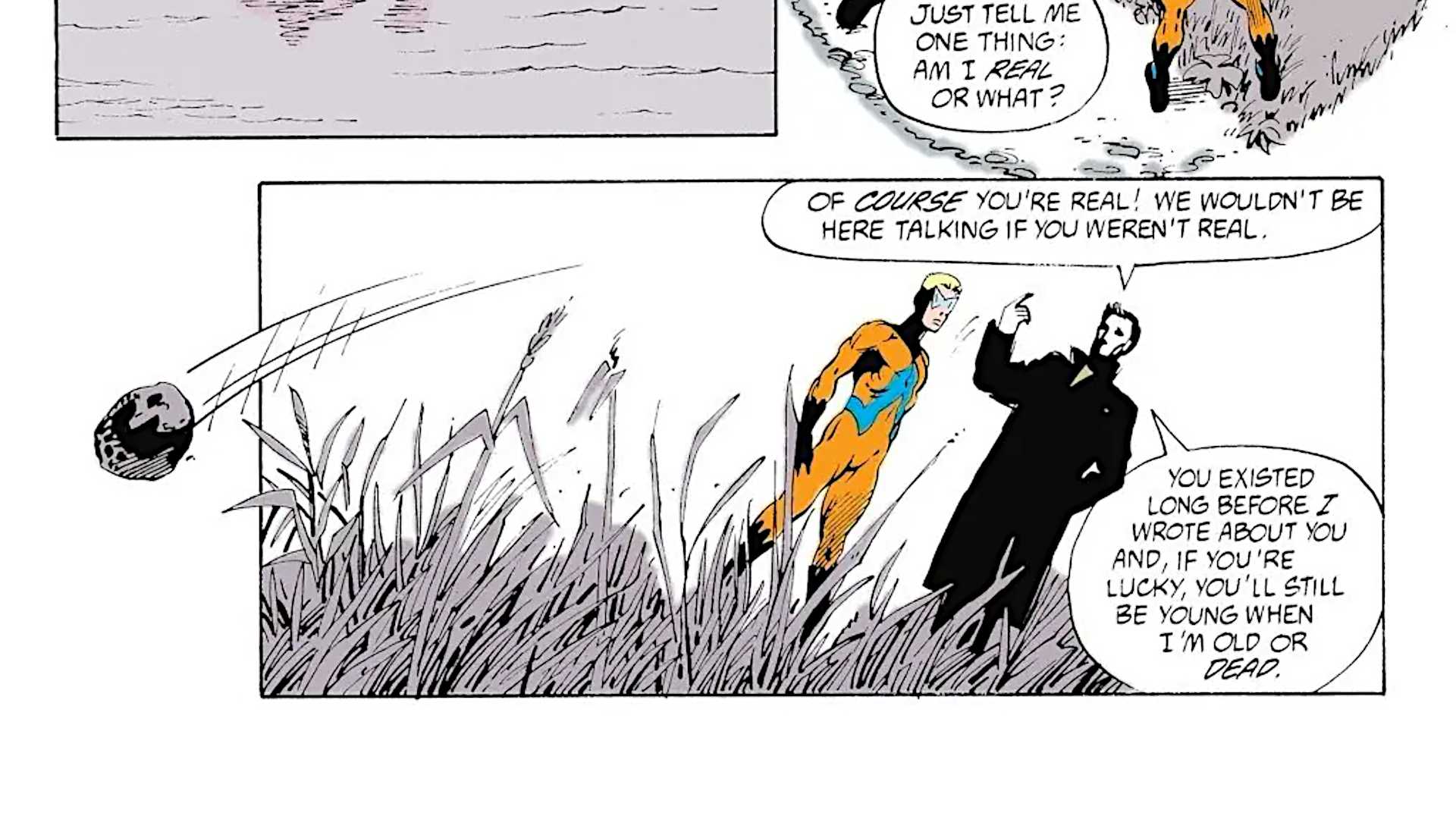
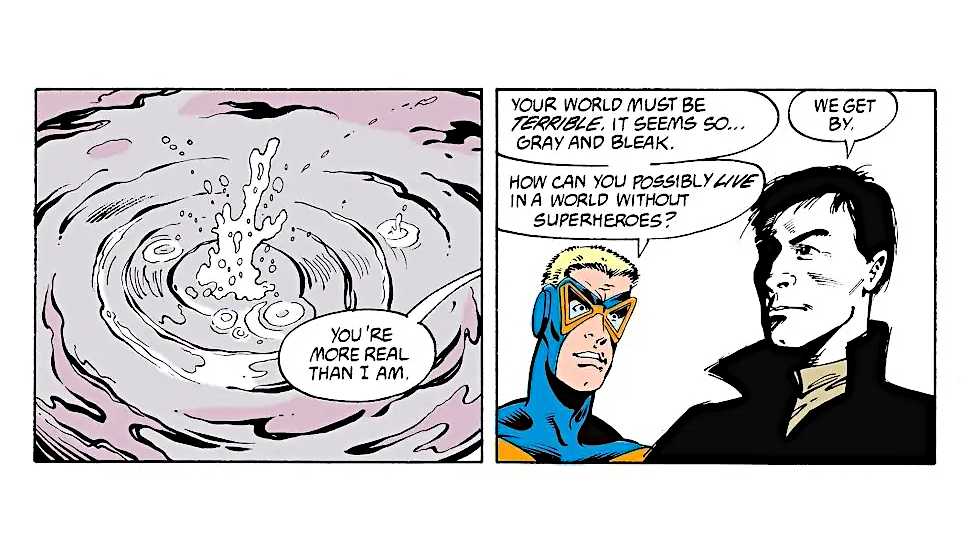
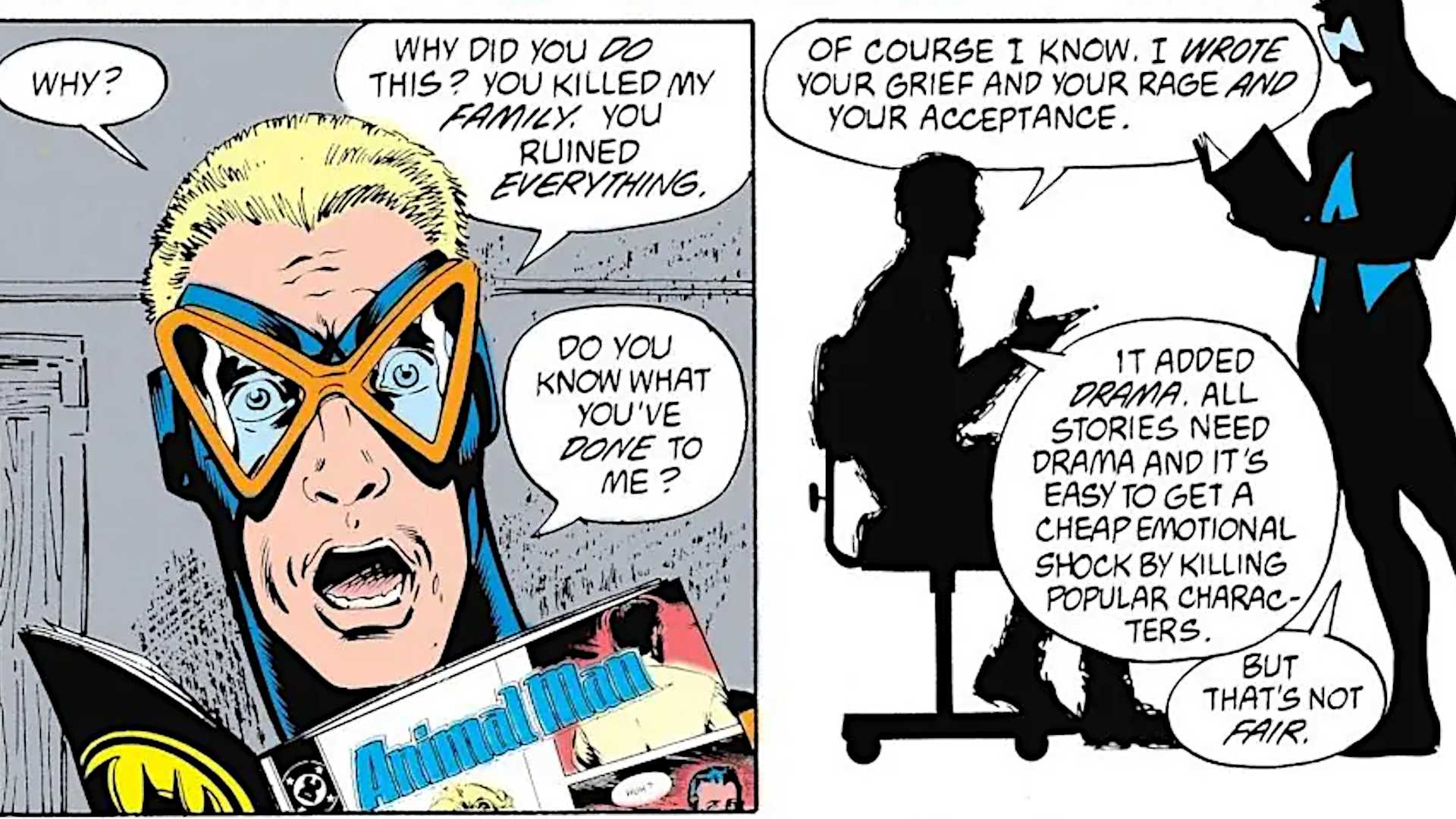
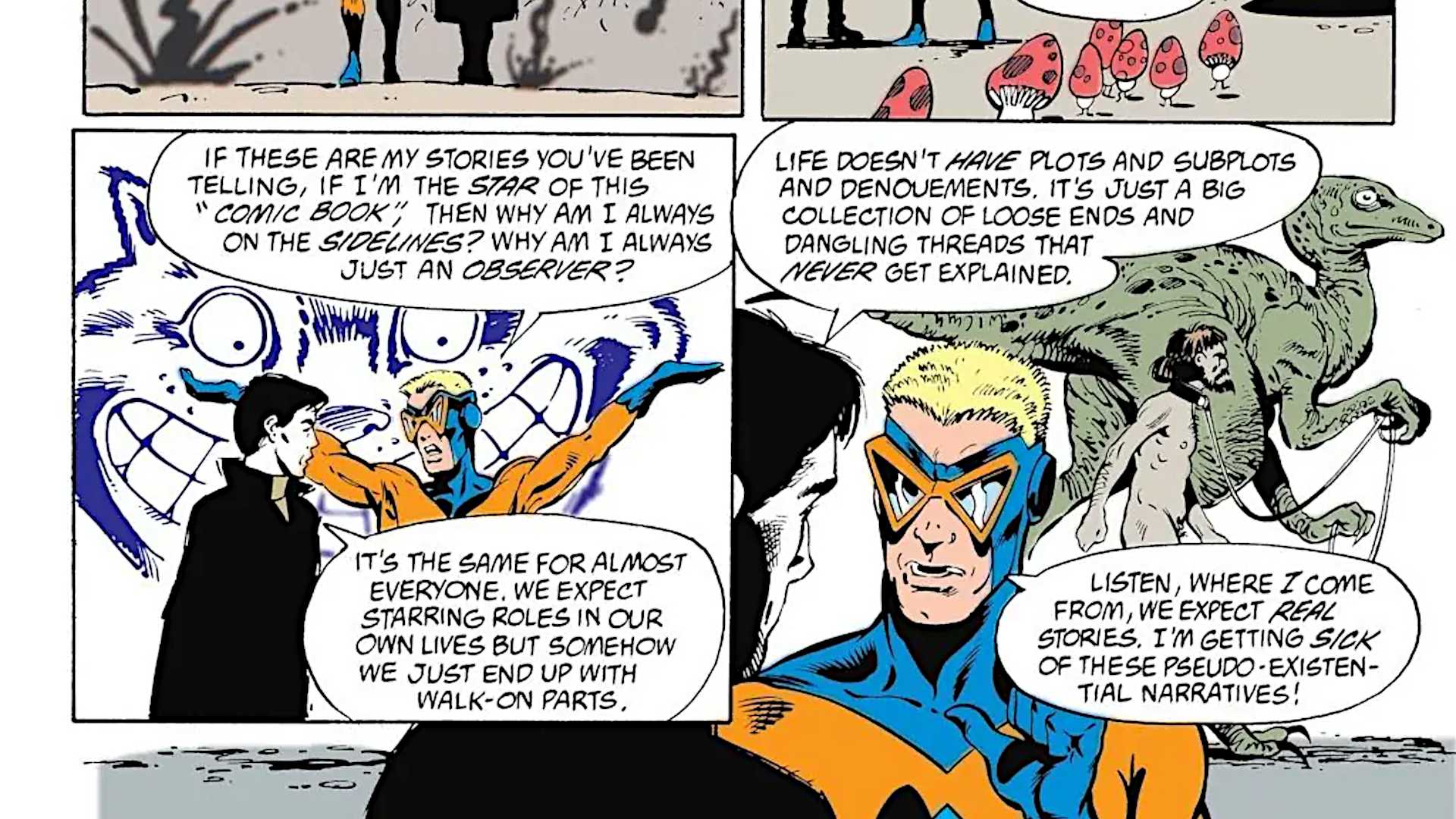
Animal Man's 1988-1990 run under Morrison was as visually mesmerizing as it was conceptually compelling. It hit hard with themes of striking back against animal abuse, introduced obscure supervillains facing internal crises due to being turned into fodder for reader entertainment, and introduced a godly figure in its final pages, while technically teasing them in issue #14 in 1989.
But as Morrison put it, they couldn't realistically be referred to a god, as The Writer in this instance wasn't the one who created Buddy Baker or his alter ego, but rather, a demiurge in control of his fate and identity for the duration of a 2-year run. This included orchestrating the events of the Baker family's slaying, and Animal Man becoming a vegetarian. Even Buddy Baker's jacket, which he wears over his costume so he can store basic necessities while doubling up as a family man, was conceived by The Writer. Morrison could conjure up entire superheroes, and let them erupt in a bloody mess as they collided, all by design, to illustrate total control over the events of Animal Man.
But this presented an interesting route for the readers to experience. Animal Man's actions by this point are visibly dictated by Morrison's every word. Morrison even takes the opportunity to stage several pages of a verbose but necessary "Special Thanks" monologue, all while ideological nemeses are created to fight Animal Man until he's reduced to a bloody pulp, only for his wounds to disappear once Morrison's point was illustrated. It becomes a lengthy interaction reflecting on how fictional characters become real in the hands of their writers, and how their suffering is written to create compelling conflict, only to grow worse in the state of "modern" comics of 1990 at the time.
But rather than ending on a sour note, Morrison acknowledges the preachiness of this sort of writing throughout the Animal Man run. Instead, it becomes a call to embrace kindness, and how injecting conflict shouldn't just be about needless tropes like family massacres so commonly found as a comic book trope. It's a provocative read, and Morrison, as The Writer, fades away before giving Buddy all he ever wanted back in his life, his family. Despite all the suffering he experienced, he's able to go on living, despite knowing he's fictional, while bracing himself for subsequent writers like Peter Milligan, Tom Veitch, and more. But while The Writer's saga is relatively brief in DC, the legacy of Morrison's most iconic work lives on.
KioskNews shows a cleaned-up reading view extracted from the publisher’s page — the original always lives on their site, not ours.