‘Diwali gift’: Centre approves 3% DA hike for 4.8 million government employees
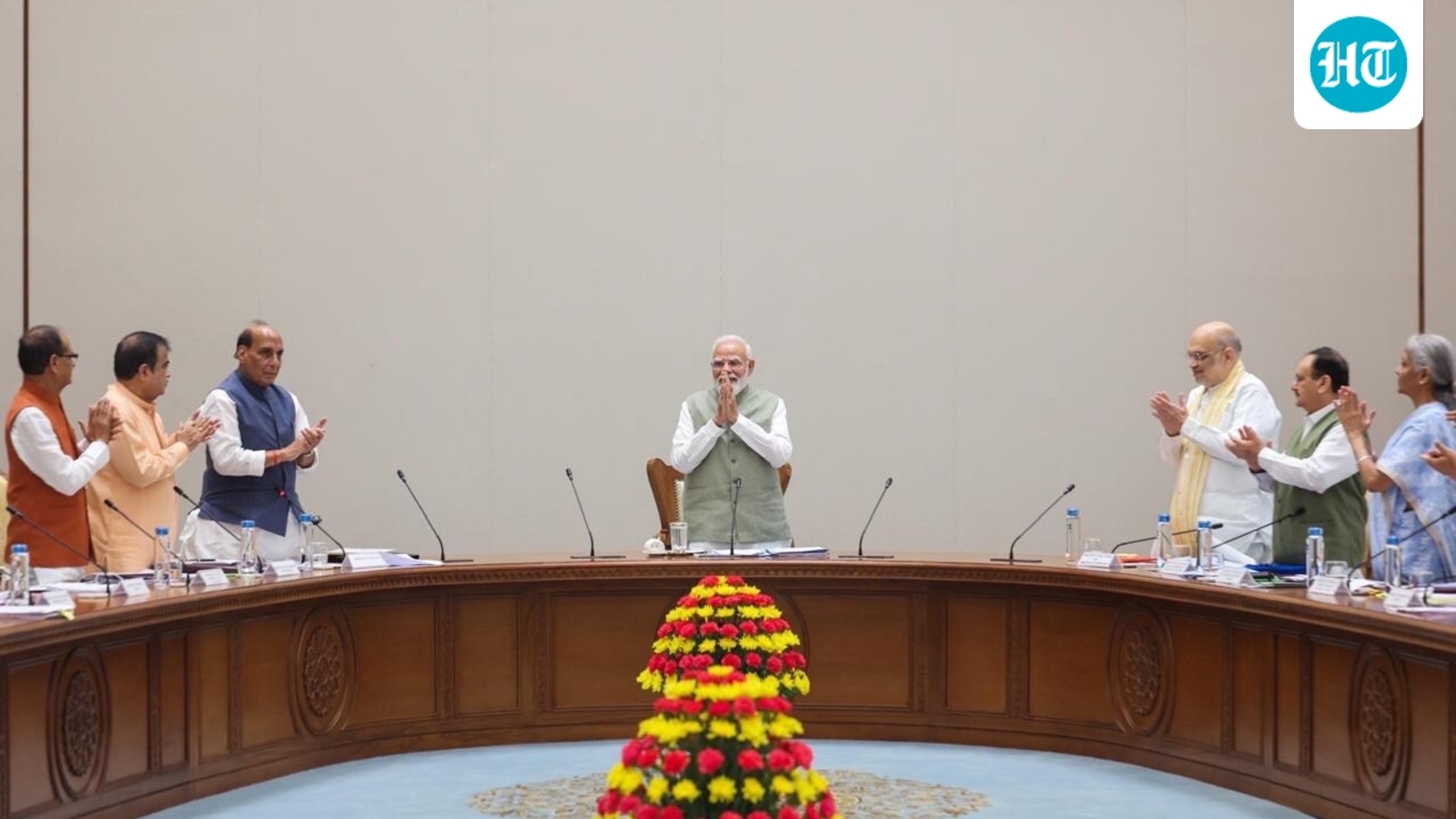
The Union Cabinet, chaired by Prime Minister Narendra Modi, on Wednesday raised the dearness allowance (DA) for about 4.85 million central government employees by three percentage points to 63%, along with a similar increase in the dearness relief (DR) for 6.87 million pensioners ahead of Diwali.
Information and broadcasting minister Ashwini Vaishnaw said the raised allowance will be effective from July 1, 2026 and described it as a “Diwali gift” to millions of employees and pensioners.
The combined impact on the exchequer on account of the increase in both DA and DR would be ₹10,016.10 crore per annum, he said.
Generally, DA and DR are raised twice annually – often with retrospective effect from January and July.
Also read: Centre announces 3% DA hike for govt employees, pensioners ahead of Diwali
Previous DA hike took effect from January 1
The previous raise was announced on April 18 this year, and took retrospective effect from January 1, 2026. At that time, both DA and DR were raised by 2 percentage points to take the total from 58% to 60%, with a financial implication of ₹6,791.24 crore per annum.
DA is always expressed as a percentage of the basic salary. This increase is broadly in accordance with the accepted formula, which is based on the recommendations of the 7th Central Pay Commission, according to officials.
Central Pay Commissions are periodically constituted to go into various issues of emolument structure, retirement benefits and other service conditions of Central government employees and to make recommendations on the required changes.
According to the Commission’s report, DA is paid to Central government employees to protect their basic pay from erosion in real value on account of inflation. The allowance is currently based on the Consumer Price Index for Industrial Workers (CPI-IW).
₹10k-cr container manufacturing scheme approved
The Cabinet on Wednesday ₹10,000-crore container manufacturing promotion scheme. The aim is to build up container manufacturing in India, so the country relies less on imports. The scheme offers four kinds of help to manufacturers — cheaper loans, support for testing and certification, land on concessional terms, and cash assistance for running costs.
Of the total corpus, ₹859 crore will go towards cutting the interest on term loans by 3% a year. Another ₹150 crore, about 1.5% of the total, will pay for shared testing facilities, including a crash-impact test centre.
To qualify, a new factory must be able to make at least 1,00,000 containers a year, counted in twenty-foot equivalent units (TEUs). Existing units that expand must add at least 25,000 TEUs.
KioskNews shows a cleaned-up reading view extracted from the publisher’s page — the original always lives on their site, not ours.