Planters, labor groups decry low sugar prices
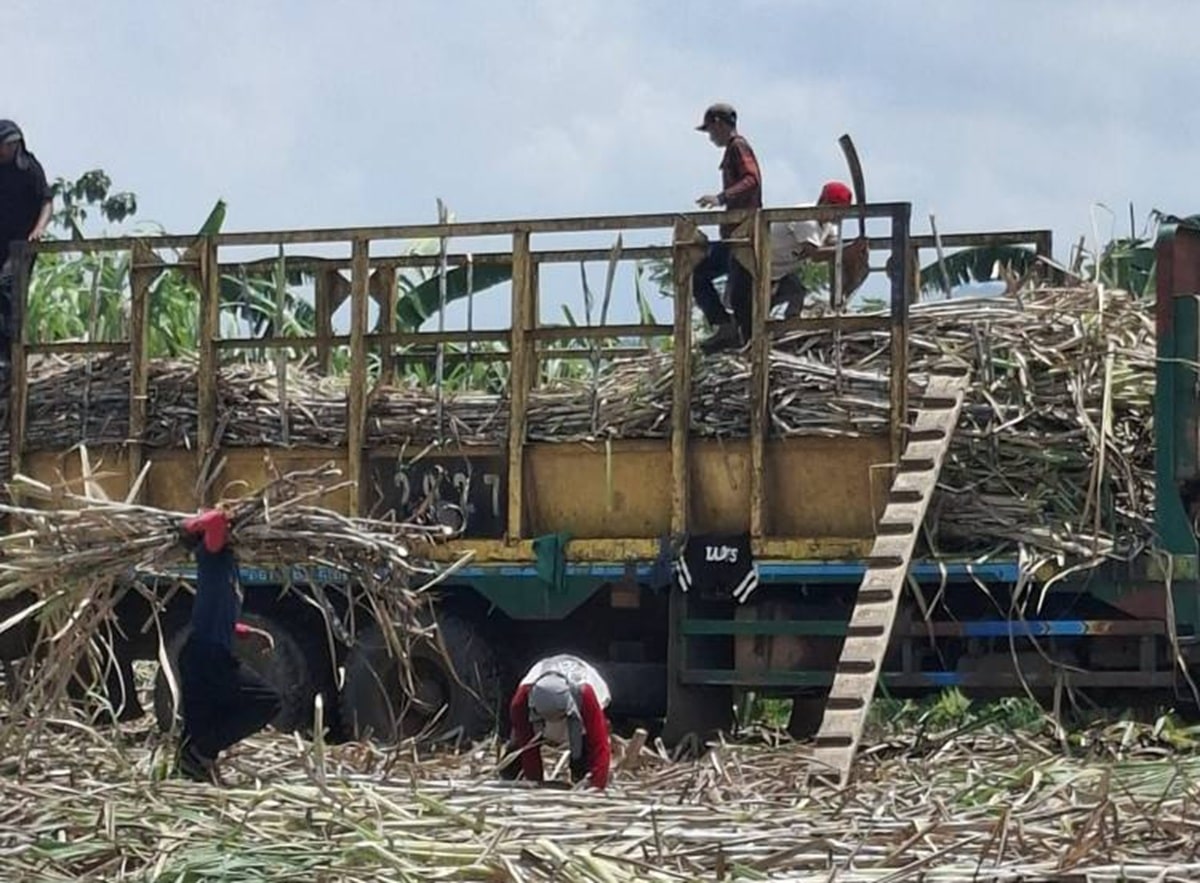
BACOLOD CITY, NEGROS OCCIDENTAL, Philippines — The Sugar Council and labor groups in Negros are calling on the Department of Agriculture and the Sugar Regulatory Administration to urgently address low mill-gate prices of sugar, warning that current market rates are threatening the survival of local farmers.
The council—composed of the Confederation of Sugar Producers Associations, the National Federation of Sugarcane Planters and the Panay Federation of Sugarcane Farmers—issued the call on Monday along with the National Congress of Unions in the Sugar Industry of the Philippines-Trade Union Congress of the Philippines and the Democratic Association of Labor Organizations.
‘Unreasonable gap’
The groups noted that market data from the first weeks of October showed average raw sugar mill-gate price in Negros Occidental hovering at around P2,600 per 50-kilogram bag (LKg).
Article continues after this advertisement
They noted that while this rate was previously approved by producers, rising input costs and diminished farm productivity have made it already unviable.
FEATURED STORIES
NEWSINFO
NEWSINFO
NEWSINFO
READ: Bukidnon planters seek fixed price for raw sugar
The group is now pushing for a baseline mill-gate price of at least P2,900 per LKg to help planters cover surging expenses for fertilizer, fuel hauling and farm labor.
“The current price, in our opinion, reflects an unreasonable gap between prevailing retail prices for raw sugar (a low of P73 per kilo or P3,650 per bag) versus offered price of P2,600 per bag or equivalent to P52 per kilo,” they said in a joint statement.
READ: Pests, El Niño, rising costs threaten sugar production
Article continues after this advertisement
“The P1,050-per-bag disparity between retail and mill-gate prices reveals an exorbitant price gap that remains difficult to justify, even after accounting for the legitimate margins of traders, wholesalers, repackers, and retailers,” the statement added.
The appeal comes as sugarcane fields struggle to recover from widespread damage caused by red-striped soft scale insect infestations and poor weather conditions. Field reports indicate low tonnage and reduced sugar recovery, compounding financial strain on producers.
Article continues after this advertisement
According to a comparative study cited by the group, a planter averaging a low yield of 65 net tons of cane per hectare and 1.5 LKg per ton of cane, requires a minimum mill-gate price of P2,900 per bag just to break even under current field conditions.
At the current P2,600 market rate, small farmers and agrarian reform beneficiaries are operating at a loss, the groups said.
The coalition warned that without government intervention, farmers will lack the resources to finance inputs for the next cropping season.
This ongoing shortfall risks further lowering sugarcane supply for already stressed mills, triggering a cycle of mounting losses across the entire sugar industry chain, the coalition added.
Subsidy hike
In Bukidnon, sugarcane growers are urging local sugar mills to increase trucking subsidies to P250 per metric ton as volatile global oil prices continue to push up farm transportation costs. The call came ahead of the milling kickoff in the province on Nov. 9.
Jude Palmada of the Sugarcane Growers Association of Bukidnon Inc., the province’s largest sugarcane group representing over 12,000 member-planters, told the Inquirer that Bukidnon’s two major sugar mills, Busco Sugar Milling Co. Inc. and Crystal Sugar Co. Inc. (CSCI), had previously granted a subsidy increase from P170 to P200 per ton.
However, the continued global fuel price shocks have prompted the province’s estimated 20,000 sugarcane farmers to petition for an adjustment to P250 per ton to cushion the hike in hauling expenses.
Albert Tutor, planters coordinator and data analyst for CSCI, said the company was considering the request but had yet to issue a formal approval, noting that official notices would be released to planter associations soon.
Your subscription could not be saved. Please try again.
Your subscription has been successful.
Aside from soaring transportation overheads, local producers are bracing for potential yield impacts caused by unseasonal rains and the El Niño phenomenon. —With a report from Mel N. Velez
KioskNews shows a cleaned-up reading view extracted from the publisher’s page — the original always lives on their site, not ours.