Iran expert says second Israeli election would be ‘the best thing' that could happen to Tehran
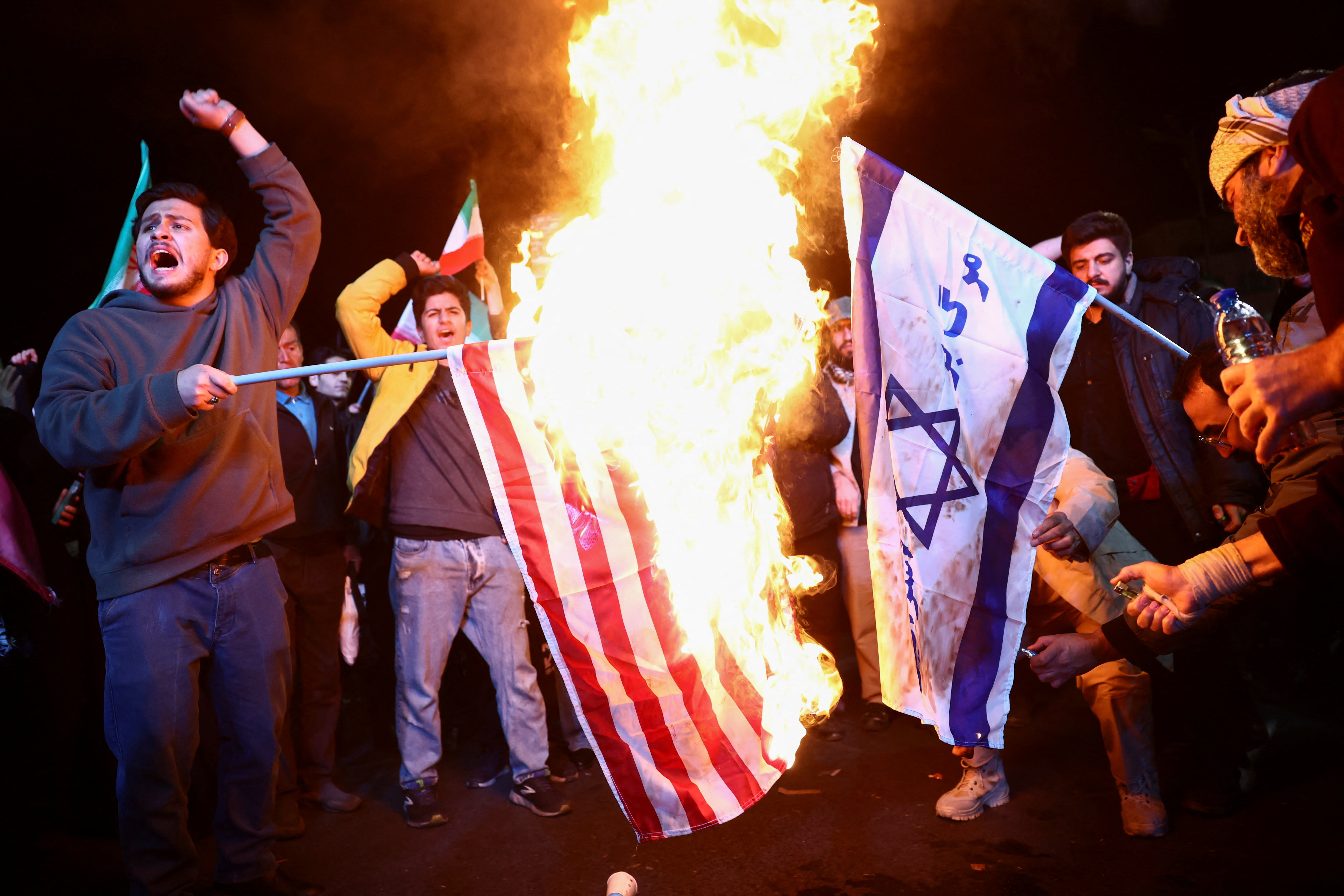
The results of Israel's elections have raised concerns within the Iranian regime, particularly over the possibility that Prime Minister Benjamin Netanyahu will remain in power, although continued political instability in Israel could ultimately serve Tehran's interests, Iran expert Beni Sabti of the Institute for National Security Studies (INSS) said.
Sabti discussed how Iran is analyzing the election results, its fears of Netanyahu, and its preparations for another military confrontation. He also criticized the Trump administration's handling of the Islamic Republic.
According to Sabti, political divisions in Israel and the United States provide Iran with a significant advantage.
"The Iranians are mainly hearing multiple voices. That is the biggest problem on the Western side when facing Iran, and it is what serves Iran the most. We are in a state of instability, with questions about the government and whether an order will be given or not. This greatly strengthens the Iranians. They don't understand democracy. That's the problem. It's not that we're doing something wrong. They don't understand it."
Addressing the possibility that Netanyahu will continue serving as prime minister, Sabti said: "The Iranians' worst nightmare has come true. From their perspective, the best thing would have been for Netanyahu to leave the political scene and for a new coalition to emerge, one that would take time to understand Iran. As far as they are concerned, Netanyahu is the strong man, and he can attack."
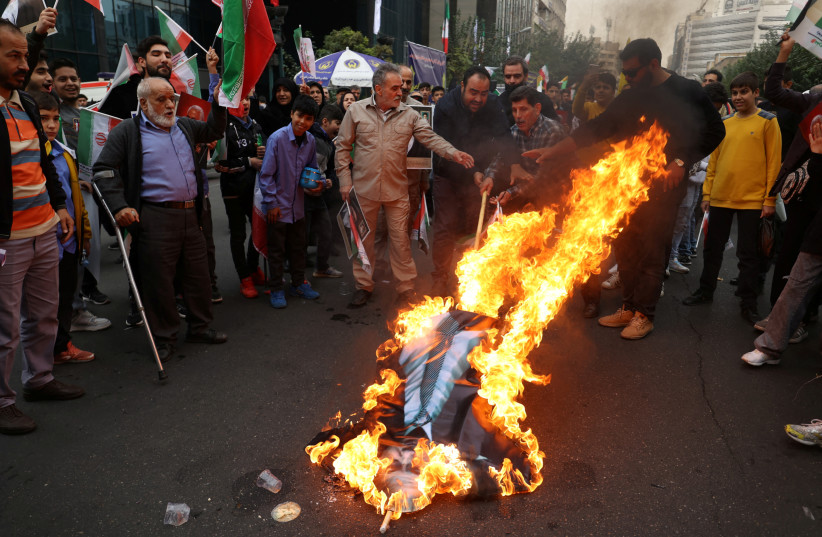
"To their credit, they analyze everyone and understand everyone. They see them all as demons. They understand that one was a chief of staff (Gadi Eisenkot), while another was prime minister for a short time (Naftali Bennett). But during that short period, I remember that every two or three weeks, an Iranian officer or scientist would disappear. That was during Bennett's time."
He continued: "They do analyze these people, but Netanyahu is the one credited with the wars, and that is why he frightens them the most. They compare it to their own mentality. When the Iranian leader has ruled for 37 years, and Netanyahu has been around since 1996, that's also 30 years. In the Iranians' eyes, he is someone like them, and that is why he scares them more.
"I'll say it again, this is all from their perspective. The very possibility of a change in leadership is already better for them. Incidentally, a second election would be the best thing that could happen to Iran. Instability, chaos."
The American side
Sabti also addressed contacts between Washington and Tehran, arguing that divisions within the US administration are sending the wrong message to Iran.
"On the American side, there are also disagreements. The worst thing that happened last night was the American misunderstanding. The vice president is sending what amounts to a plea, which is how the Iranians are describing it this morning."
"JD Vance sends a message to the secretary of Iran's National Security Council and says, 'Let's agree on various things,' 'We'll open the straits,' 'You'll receive medicine.' The Iranians see this as the enemy's surrender."
"There is no such thing as a humanitarian gesture in Iran. It's like the trucks going to Hamas. When you want to help the other side's poor, they interpret it as you not wanting to destroy them. To this day, we are still sending trucks and money to Hamas."
Turning to Iran's economic and social situation, Sabti described worsening conditions and growing tensions.
"The situation is very bad. Yesterday, they raised the price of bread. In a single day, the price of bread jumped by 55%. People are lining up for fuel, and the sounds of war are growing louder.
"The voices coming from the US are voices of despair. The Iranian public sees a letter from the American vice president saying, 'Let's talk.' The Iranians are at a point where another medicine or another Acamol [painkiller] won't help them. They need surgery to actually remove the regime.
"There are millions of Iranians who want to overthrow the regime. That sentiment is there. It's a shame the Americans started something and then seemed to lose faith in it. That is the most ridiculous thing that has happened here. There is no benefit to an attack if they are not going to see it through to the end."
Finally, Sabti addressed the possibility of renewed protests against the Iranian regime, pointing to the symbolic significance of the birthday of Cyrus the Great.
"Today is the birthday of King Cyrus. Iranians are desperate to go out and demonstrate against the regime on such a day. Nobody is calling on them to do so; nobody is talking to them about it. October and November are protest months in Iran, and there is real potential right now.
"If President Trump had called on the Iranian people, perhaps we would be in a different situation. Unfortunately, President Trump has done half the job on many things."
KioskNews shows a cleaned-up reading view extracted from the publisher’s page — the original always lives on their site, not ours.