15 Movies To Watch if You Love 'Spirited Away'

Updated
Born with Autism (formerly classified as Asperger syndrome), Tyler B. Searle has been obsessed with storytelling since he was old enough to speak. He gravitated towards fairy tales, mythology, the fantasy genre, and animated movies and shows aimed at family audiences. When not writing, Tyler enjoys watching more cartoons and reading fantasy books in his home in Ontario, Canada.
Sign in to your Collider account
Hayao Miyazaki is perhaps Japan's best-known director of animated films, having made 12 so far in his legendary career. Most agree that his best film is Spirited Away, which was the first foreign film to win the Academy Award for Best Animated Feature. It focuses on a young girl who winds up in the spirit world while moving to a new home and must survive working at a bathhouse run by an evil witch to save her parents — who were transformed into pigs — and ensure they can all escape.
Spirited Away continues to captivate audiences thanks to its detailed animation, diverse cast of well-rounded characters, and timeless themes regarding growing up, identity, resilience, and selflessness. Fortunately, many other films, both animated and live-action, tell similar stories and transport audiences into worlds bursting with creative visuals and wonder. This list will discuss the best movies to watch for fans of Spirited Away; they might not be as excellent as Miyazaki's masterpiece, but they are perfect companions for it. These movies like Spirited Away are essential for Ghibli fans.
15 'Wolf Children' (2012)

Hana (Aoi Miyazaki/Colleen Clinkenbeard) is a young woman who falls in love with a man (Takao Osawa/David Matranga) who can shapeshift between human and wolf forms. They have two children together, Yuki (Momoka Ono and Haru Kuroki/Lara Woodhull and Jad Saxton) and Ame (Amon Kabe and Yukito Nishii/Alison Viktorin and Micah Solusod), but the father is tragically killed while out hunting. As the kids grow older and begin to develop their shifting powers, Hana does what she can to keep them safe and help integrate them into human society.
Wolf Children is a touching story about the difficulties of growing up from both a parent's and child's perspectives. Yuki and Ame find themselves at multiple crossroads in life and struggle to choose which path is right for them, while Hana does what she can to support them while coming to terms with the fact that their choices may not reflect her wishes. The result is a deeply moving exploration of love, letting go, and the quiet strength it takes to accept that we can only do our best for the people we care about.
14 'Bridge to Terabithia' (2007)
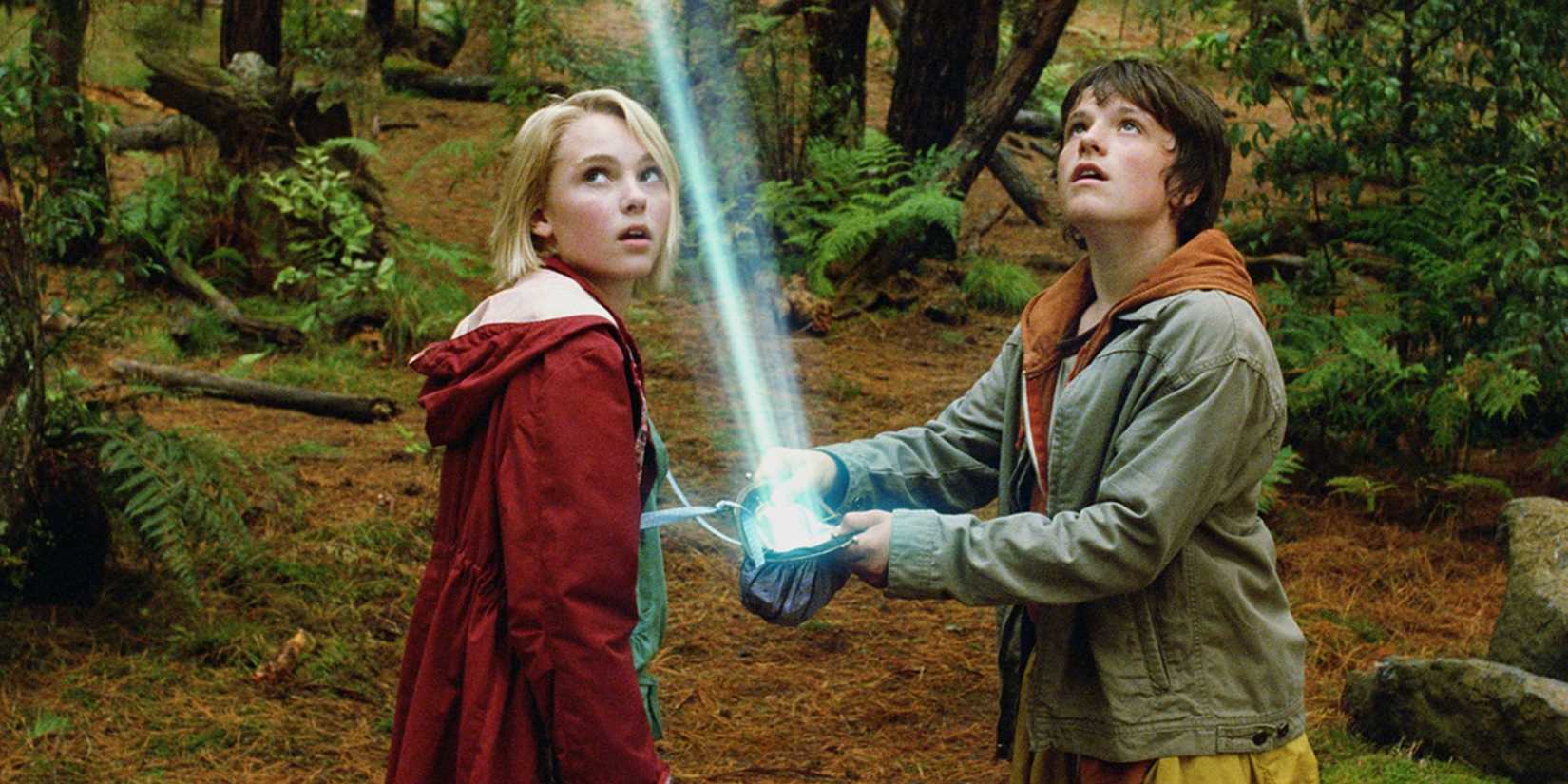
Aspiring artist Jess Aarons (Josh Hutcherson) is having a hard time in his adolescence due to financial troubles, school bullies, and an estranged relationship with his father, Jack (Robert Patrick). One day, he befriends his new neighbor, Leslie Burke (AnnaSophia Robb), and the two create a world of their own called Terabithia on the other side of a creek. They use Terabithia to work through the troubles in their lives, but tragedy soon strikes Jess in a way he wasn't prepared for.
Bridge to Terabithia was co-written by author Katherine Paterson's son, David L. Peterson, and he made sure the film captured all of the book's poignant themes. The story is a coming-of-age tale about the loss of childhood innocence, first through Jess trying to find ways to cope with life's various struggles and then by forcing him to come to terms with death and grief. The visual medium allows the filmmaker to use effects to bring the fantasy world to life, which better demonstrates how the power of imagination and storytelling can help us face the hurdles in our lives.
13 'Alice in Wonderland' (1951)

Bored with her sister's lessons, Alice (Kathryn Beaumont) imagines a world where there are no rules. Just then, she spots a white rabbit (Bill Thompson) with a waistcoat proclaiming that he is late, and Alice follows him in a fit of curiosity. She falls down his rabbit hole and arrives in Wonderland, a nonsensical land full of such oddities as food that can make you grow or shrink, shapeshifting Cheshire Cats (Sterling Holloway), and an execution-happy queen who commands an army of playing cards.
Alice in Wonderland failed upon release due to suffering from too many cooks in the kitchen behind the scenes, but it has since become one of the most beloved of Disney's Silver Age films. This status is thanks in large part to its art style, which blends expressive characters animated in bold colors with dark, foreboding backgrounds to create a world that feels both whimsical and off-putting. Alice also serves as a wonderful protagonist thanks to how she reacts to every strange new thing she comes across, and Beaumont's perfect casting.
12 'Wolfwalkers' (2020)

Robyn Goodfellow (Honor Kneafsey) travels to Kilkenny with her father, Bill (Sean Bean), to hunt wolves in the woods on the orders of the authoritarian Lord Protector (Simon McBurney). She is bitten by a young wolf who is really a girl named Mebh (Eva Whittaker), whose spirit can leave her body when she sleeps and transform into a wolf. The bite ends up giving Robyn the same power, which places her relationship with her father, and their safety, in jeopardy.
Wolfwalkers is a fantastic fairy tale story that introduces modern audiences to a more ancient take on werewolves. The film has a gorgeous interpretation of how wolves use smell to see the world, which, combined with the fluid animation and bright colors, creates a great contrast between the freedom of the natural world and the claustrophobic world of civilization. That said, there is still some nuance in the human world; the Lord Protector is an authoritarian figure, but he genuinely sees himself as a righteous defender of civilization, which leads to some interesting character moments.
11 'A Whisker Away' (2020)

Miyo Sasaki (Mirai Shida/Cherami Leigh) is a young girl who has a crush on her classmate, Kento Hinode (Natsuki Hanae/Johnny Yong Bosch), though he publicly declares that he doesn't like her. One day, a mysterious mask seller (Kōichi Yamadera/Keith Silverstein) gives Miyo a Noh mask that, when worn, transforms her into a white cat. As a cat, Miyo has a positive relationship with Kento, and the contrast to their human relationship, as well as her own difficult home life, causes her to see her cat form as preferable.
A Whisker Away is a fun take on the classic story of using animal transformation as a form of escapism. While Miyo's cat form allows her to see the world from a different point of view, it also becomes a literal mask to hide her true self, which has the unfortunate effect of stunting her social and personal growth. The second act of the film even gets dark in places, but it still maintains plenty of levity and fun visual gags.
10 'The Last Unicorn' (1982)
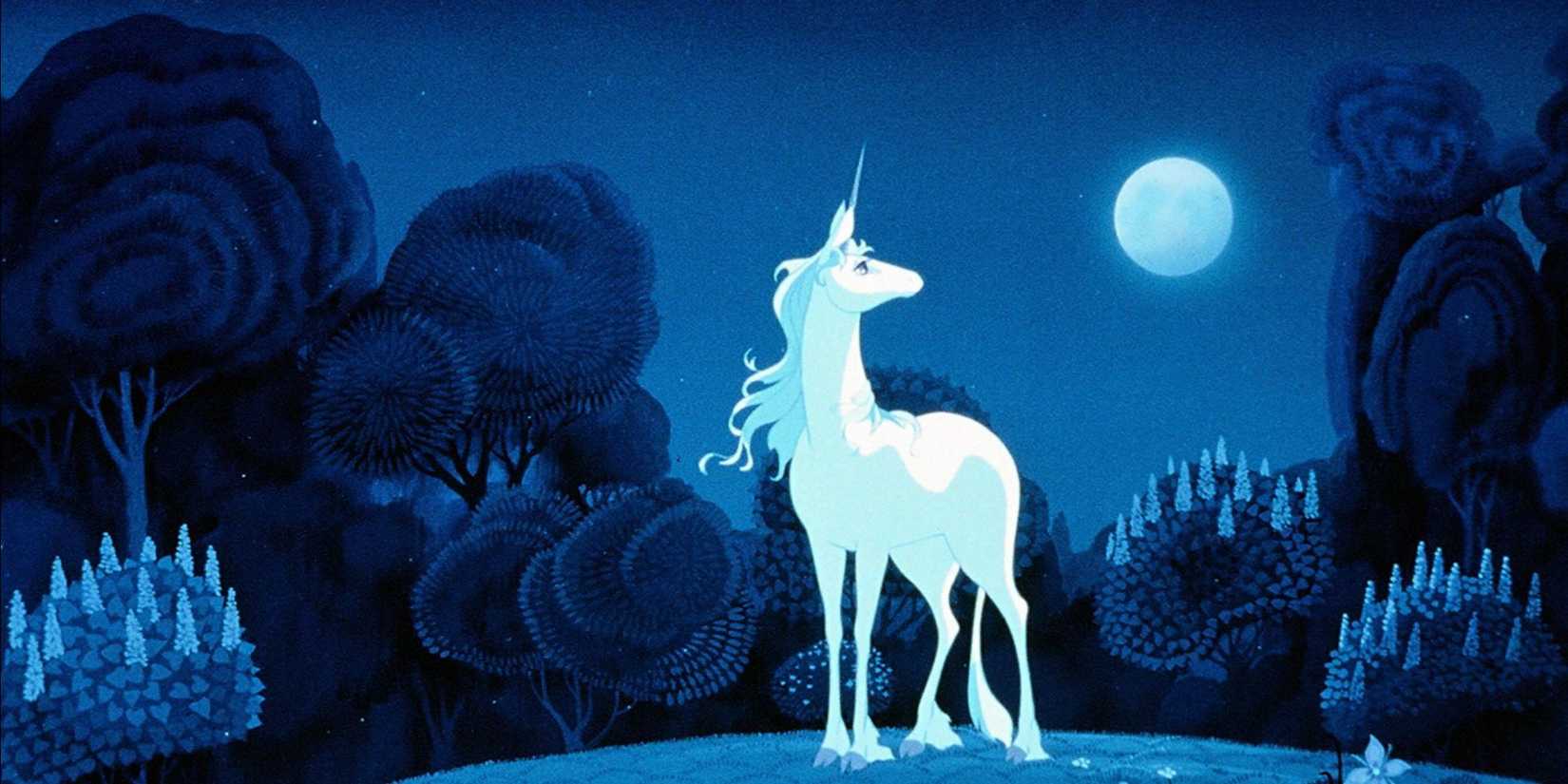
After overhearing two hunters talk of the absence of unicorns, and learning that they were driven north by a monstrous Red Bull to the country of King Haggard (Sir Christopher Lee), the last unicorn in the world (Mia Farrow) leaves her forest home to see if she can find the others. She finds that the absence of unicorns has caused the world to lose some of its magic, and most humans see her as nothing more than a regular horse. However, she finds two allies: a bumbling wizard named Schmendrick (Alan Arkin) and a female outlaw named Molly Grue (Tammy Grimes).
The Last Unicorn's screenplay was written by the book's author, Peter S. Beagle, so it sticks close to the plot and captures all of the book's important themes. Namely, it captures the melancholic tone brought about by discussions about regret, loss, longing, and whether it is better to never know these emotions or not. All of this is beautifully captured through the gorgeous animation by Topcraft, the company whose fall would lead to the rise of Studio Ghibli.
9 'The NeverEnding Story' (1984)
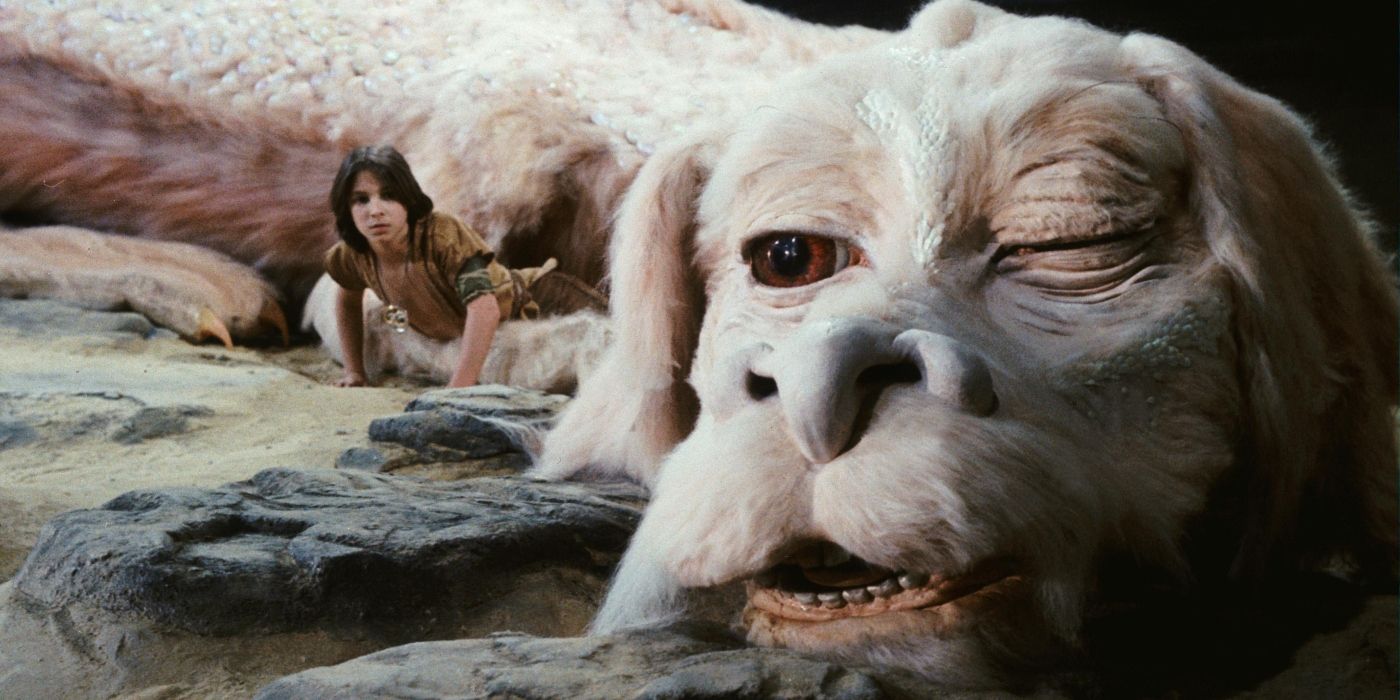
While evading bullies, Bastian Balthazar Bux (Barret Oliver) slips into a bookstore and makes off with one called The NeverEnding Story. It details a fantasy world called Fantasia, ruled by the Childlike Empress (Tami Stronach), that is slowly being eroded by an abstract force called The Nothing. A hero named Atreyu (Noah Hathaway) is tasked with finding a way to stop it, and the more Bastian reads his story, the more real it starts to feel.
The NeverEnding Story is one of the quintessential fantasy films of the 1980s, thanks to its phenomenal effects and profound themes. The Nothing is not a traditional antagonist: it is an abstract force that represents the death of hope, as seen in how it not only destroys the land but drives optimistic characters like the Rock Biter (Alan Oppenheimer) to despair. Yet the film's message reminds us of the power of human imagination and creativity, as through it, we can inspire ourselves and others to fill nothingness with something beautiful.
Collider Exclusive · Oscar Best Picture Quiz
Which Oscar Best Picture
Is Your Perfect Movie?
Parasite · Everything Everywhere · Oppenheimer · Birdman · No Country
Five Oscar Best Picture winners. Five completely different visions of what cinema can be — and what it can do to you. One of them is the film that was made for the way your mind works. Ten questions will figure out which one.
🪜Parasite
🌀Everything Everywhere
☢️Oppenheimer
🐦Birdman
🪙No Country for Old Men
01
What kind of film experience do you actually want? The best movies don't just entertain — they leave something behind.
02
Which idea grabs you most in a film? Great films are driven by a central obsession. What's yours?
03
How do you like your story told? Form is content. The way a story is shaped changes what it means.
04
What makes a truly great antagonist? The opposition defines the protagonist. What kind of opposition fascinates you?
05
What do you want from a film's ending? The final note is the one that lingers. What do you want it to sound like?
06
Which setting pulls you in most? Where a film takes place shapes everything — mood, stakes, what's even possible.
07
What cinematic craft impresses you most? Every great film has a signature — a technical or artistic element that makes it unmistakable.
08
What kind of main character do you root for? The protagonist is the lens. Who you choose to follow says something about you.
09
How do you feel about a film that takes its time? Pace is a choice. Some films sprint; others let tension accumulate slowly, deliberately.
10
What do you want to feel walking out of the cinema? The best films leave a mark. What kind of mark do you want?
The Academy Has Decided Your Perfect Film Is…
Your answers have pointed to one Oscar Best Picture winner above all others. This is the film that was made for the way your mind works.
Parasite
You are drawn to films that operate on multiple levels simultaneously — that begin in one genre and quietly, brilliantly migrate into another. Bong Joon-ho's Parasite is a film about class, desire, and the architecture of inequality that manages to be darkly funny, deeply suspenseful, and genuinely shocking across a single extraordinary running time. Your instinct is for cinema that hides its true intentions until the moment it's ready to reveal them. Parasite is exactly that — a film that rewards close attention and punishes assumptions, right up to its devastating final image.
Everything Everywhere All at Once
You want it all — and this film gives you all of it. The Daniels' Everything Everywhere All at Once is one of the most maximalist films ever made: action comedy, multiverse sci-fi, family drama, existential crisis, and a genuinely earned emotional core that sneaks up on you amid the chaos. You are someone who responds to ambition, who doesn't want cinema to choose between being entertaining and being meaningful. This film refuses that choice entirely. It is overwhelming by design, and its overwhelming nature is precisely the point — because the feeling of being crushed by infinite possibility is exactly what it's about.
Oppenheimer
You are drawn to cinema on a grand scale — films that understand history not as a backdrop but as a force, and that place their characters inside that force and watch what happens. Christopher Nolan's Oppenheimer is a film about the terrifying gap between what we can do and what we should do, told with the full weight of one of the most consequential moments in human history behind it. You want your films to feel important without feeling self-important — to earn their ambition through sheer craft and the gravity of their subject. Oppenheimer does exactly that. It is enormous, complicated, and refuses easy comfort.
Birdman
You are drawn to films that foreground their own construction — that make the how of the filmmaking part of the what it's about. Alejandro González Iñárritu's Birdman, shot to appear as a single continuous take, is cinema examining itself through the cracked mirror of a fading actor's ego. You respond to formal daring, to the feeling that a film is doing something that probably shouldn't be possible. Michael Keaton's performance and Emmanuel Lubezki's restless camera create something genuinely unlike anything else — a film that is simultaneously about creativity, relevance, self-destruction, and the impossibility of ever truly knowing if your work means anything at all.
No Country for Old Men
You are drawn to cinema that trusts silence, that refuses to explain itself, and that treats dread as a form of meaning. The Coen Brothers' No Country for Old Men is a film about the arrival of a new kind of evil — implacable, arbitrary, and utterly indifferent to the moral frameworks we use to make sense of the world. It is one of the most formally controlled films ever made, and its controlled restraint is what makes it so terrifying. You want your films to haunt you, not comfort you. You are not interested in resolution if resolution would be dishonest. No Country for Old Men is honest in a way that most cinema never dares to be.
8 'Coraline' (2009)
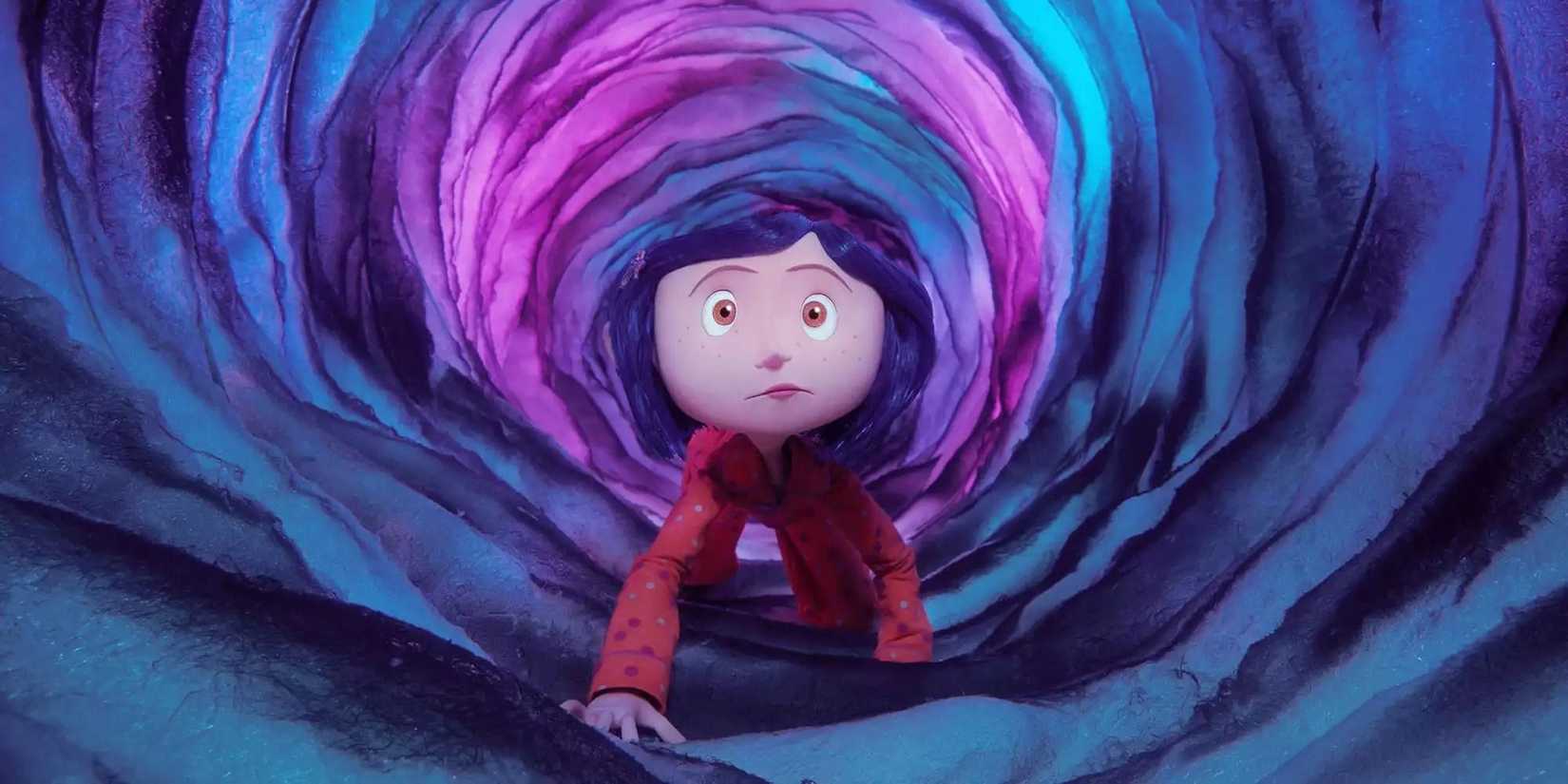
Coraline Jones (Dakota Fanning) and her overworked parents move into the Pink Palace Apartments, inhabited by all sorts of quirky tenants. One day, Coraline travels through a mysterious door in the wall that leads her to an alternate world created by her Other Mother (Teri Hatcher). Everything Coraline could hope for is given to her in this world, but a black cat (Keith David) warns her that not all is as it seems.
Coraline blends dark storytelling with the stylistic character designs of Henry Selick to create one of the darkest family films in recent memory. It uses these terrifying visuals to tell an important story about appreciating what you have and maintaining a healthy level of skepticism, especially when something seems too good to be true. Coraline herself is also a great child protagonist because the filmmakers ensure that she feels like a real kid, prone to moments of anger and cynicism, while still having a good head on her shoulders for getting out of trouble.
7 'The Secret of Kells' (2009)

As Viking raiders plunder Ireland, Abbot Cellach (Brendan Gleeson) of Kells oversees the construction of a massive wall and forbids his nephew, Brendan (Evan McGuire and Michael McGrath), from venturing into the forest. One day, master illuminator Brother Aidan (Mick Lally) arrives in Kells, bringing with him the incomplete Book of Iona, which, when finished, will transform darkness into light. Aidan requests Brendan's help to finish the book, and in doing so, Brendan discovers the magic of his world and that of the fairies.
Magic is the best way to describe The Secret of Kells. Everything, from its gorgeous art style to its traditional Irish music, evokes feelings of another world, where nothing is entirely as it seems and foreboding darkness creeps in. Yet the film's message is one of hope, for while the darkness will come eventually, light will always outlast it so long as people fight for it. This approach is captured through Brendan's story, which sees him grow from a young boy too scared to venture into the woods to someone willing to defy his uncle and face down dark gods because he knows his work is worth completing.
6 'Song of the Sea' (2014)
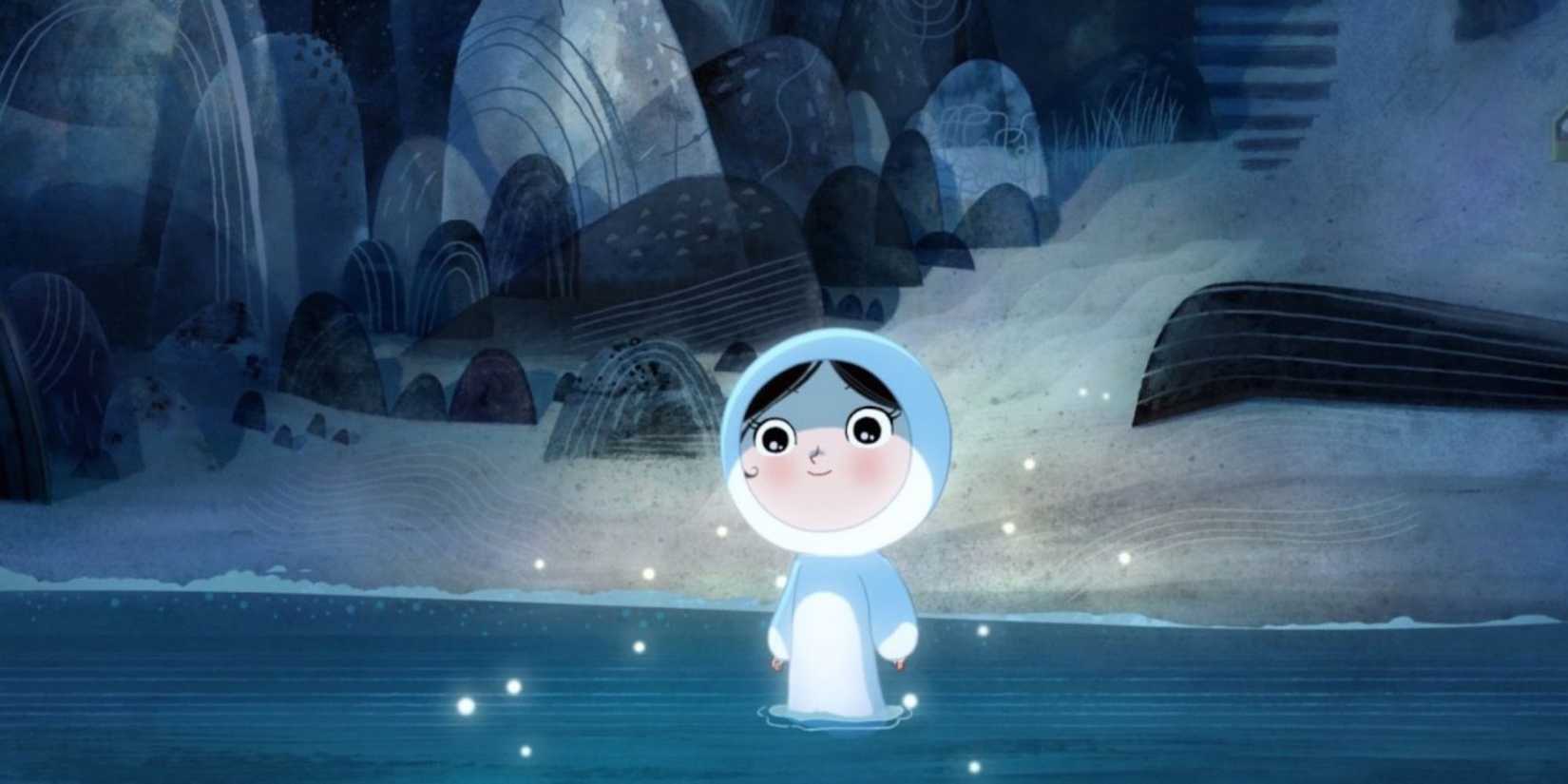
Ben (James Ó Floinn/David Rawle) lives in a lighthouse with his father, Conor (Brendan Gleeson), and his mute sister Saoirse, whom Ben blames for the disappearance of their mother. One day, Saoirse discovers a seal skin coat, which makes her a Selkie, but the kids are taken to Dublin by their grandmother, and Conor throws the coat into the sea. When the siblings sneak away from their grandmother, they learn that Saoirse is destined to lead the fae folk back to their realm of Tír na nÓg, but only if she can reclaim her coat and voice.
Song of the Sea is one of the greatest examples of Ireland's animated films and their ability to adapt classic mythology into timeless stories. Grief is at the forefront of this story, be it Ben's resentment towards Saoirse, Conor's broken emotional state, or the witch Macha (Fionnula Flanagan), who turns people to stone to shield them from sorrow. As Ben and Saoirse go on their adventure, he learns that the only way to heal from grief is not to bury it or lash out at others but to face it and find acceptance.
KioskNews shows a cleaned-up reading view extracted from the publisher’s page — the original always lives on their site, not ours.