What is the Brexit food red tape that could be scrapped in a new EU deal?
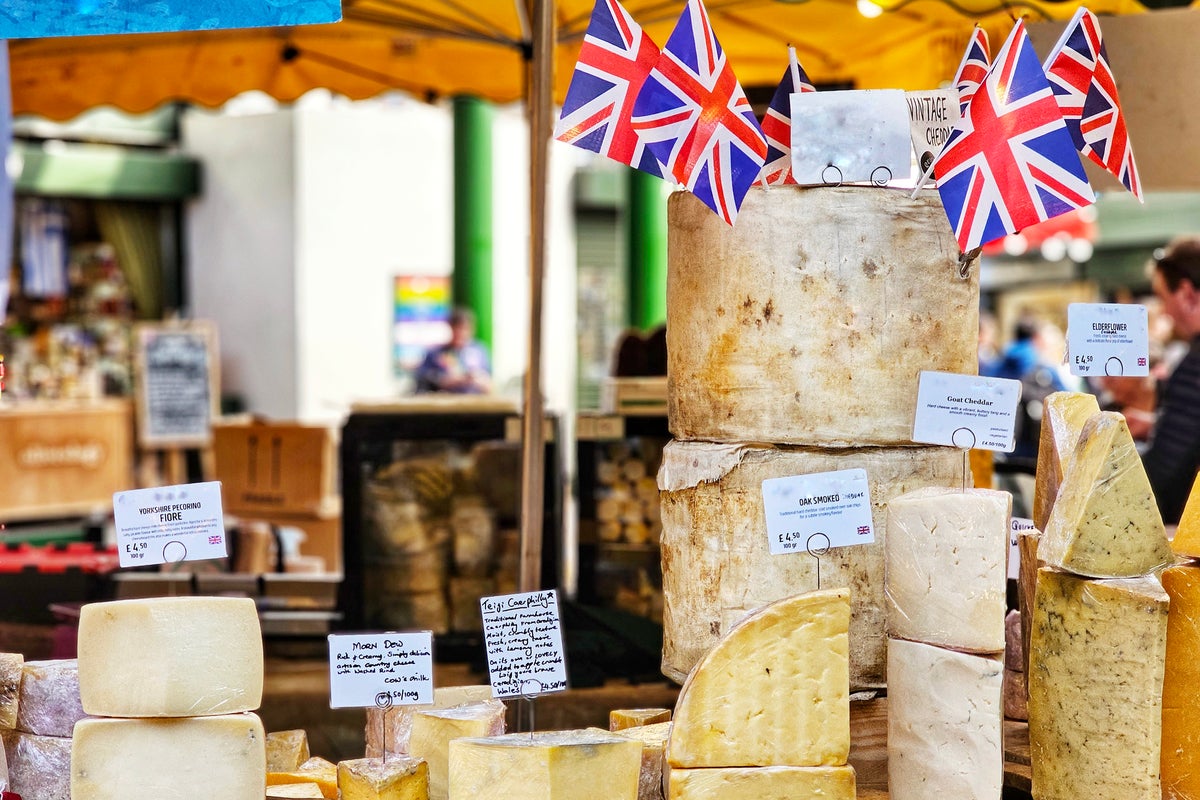
The UK and EU could remove checks on imported and exported food and agricultural products as part of a new post-Brexit deal.
Negotiations are still ongoing ahead of the EU summit on 20 November where three deals are expected to be discussed, surrounding food and drinks, emissions trading, and youth mobility.
A Sanitary and Phytosanitary (SPS) trade deal, drafted by the EU side, suggests that much of the so-called Brexit red tape around food and drink could be removed. This could have a wide-ranging impact on goods such as sausages, cheese, flowers and more.

The government has estimated that a deal could add up to £5.1 billion a year to the economy in a move that could slash red tape for farmers, producers and businesses across the UK, which has caused difficulty for exporters after the UK exited the EU’s single market,
But in return for lifting regulations for exporters, the UK could be expected to commit to observing and adapting to existing EU regulations on plant, animal and food trade standards. Both UK and EU delegations are still discussing the terms for any deals expected to be presented at the summit.
A government spokesperson said: “We are building an ambitious, close relationship with the EU that will strengthen our economy, protect British industry, and create more opportunities for young people across the UK."
The deal would mark a significant shift in the relationship between the UK and EU under Andy Burnham’s premiership as he hopes to retain closer ties with the European bloc. Mr Burnham has expressed that he felt the current Brexit deal had left Britain with “weaker control” over immigration but has ruled out rejoining the EU in this parliament.
Here are some of the proposed changes to cut red tape around food and drink.
Sausages, shellfish and seed potatoes could be exported
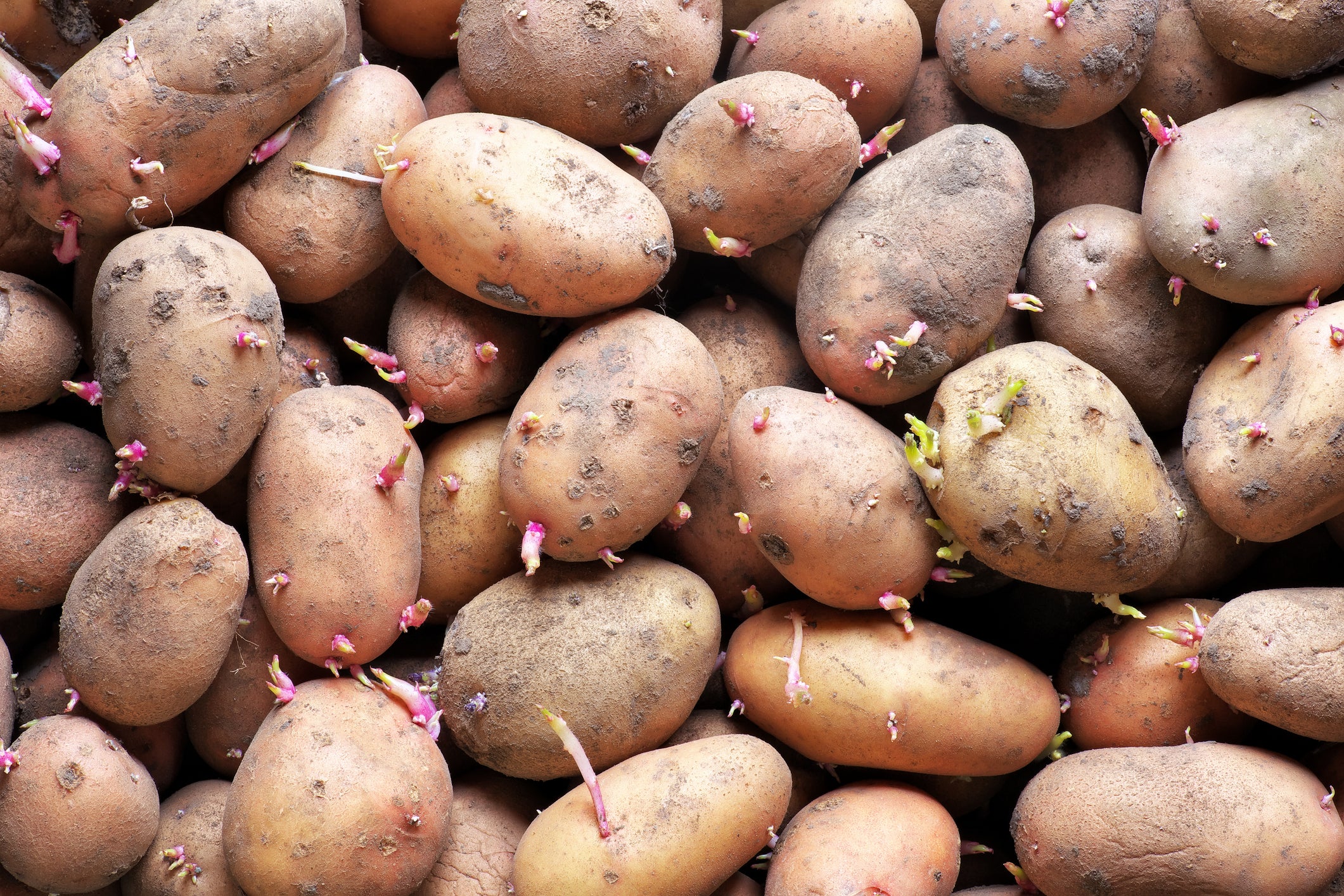
British farmers could be able to export fresh sausages, burgers, some shellfish from domestic waters and seed potatoes to the EU under the new deal. This would reopen the EU market for these goods and support businesses to expand their production.
While goods from Great Britain, such as dairy, fish, eggs and red meat, are currently subject to 100 per cent documentary checks and up to 30 per cent physical checks, an SPS deal would see these removed entirely.
No more certificates and additional fees for exporters
The deal could remove additional costs for businesses, such as £200 Export Health Certificates for agri-food goods, and £25 Phytosanitary Certificates. Organic Certificates of Inspection, required for the export of organic lamb and cheese, costing on average £35, could also be removed.
Inspector fees that cost at least £127.60, as well as some port fees and other checks for exports and imports to and from the EU, could also be removed as part of a deal.
Sampling costs, which are approximately £1,200 to a cheese load, £1,400 to a salmon shipment, £440 to a load of apples, and £1,200 to a beef load, could also be rendered null.
Passports for British pets
A deal could bring back multi-use passports for British pets travelling to the EU, as opposed to animal health certificates.
KioskNews shows a cleaned-up reading view extracted from the publisher’s page — the original always lives on their site, not ours.