Family planning use falls to 61pc among married women in Kenya – KNBS
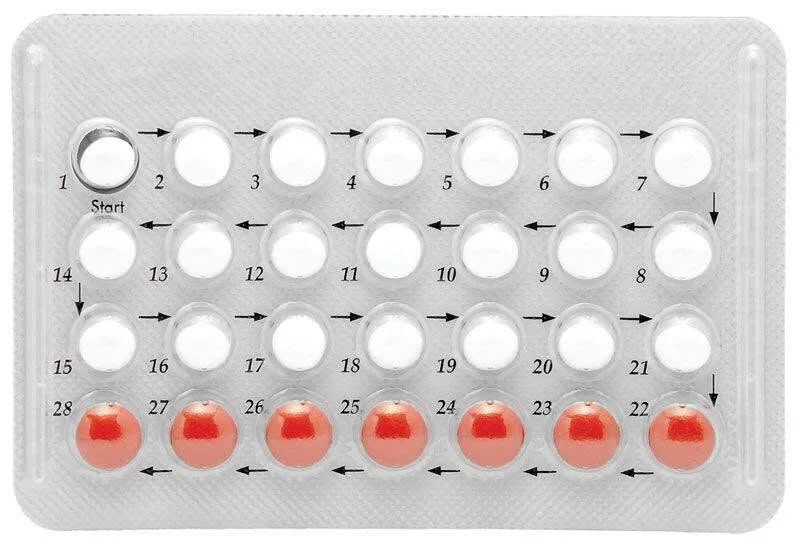
NAIROBI, Kenya, Nov 3 – The proportion of married Kenyan women using family planning methods has slightly declined, according to the 2025/2026 Kenya Mini Demographic and Health Survey.
The survey shows that 61 per cent of married women aged 15–49 are using at least one family planning method, compared to 63 per cent recorded in the 2022 Kenya Demographic and Health Survey.
The use of modern contraceptive methods among married women has also declined slightly to 56 per cent from 57 per cent over the same period.
However, the uptake of contraceptive implants has increased from 19 per cent to 23 per cent, pointing to a shift in the methods women are choosing.
The survey further shows that 61 per cent of sexually active unmarried women are using at least one family planning method, while 53 per cent rely on modern contraceptives.
Kenya National Bureau of Statistics (KNBS) officials said the findings provide updated information on reproductive health indicators to support national and county-level planning.
World Health Organization (WHO) Representative in Kenya Neema Kimambo said the data should help policymakers direct resources towards reproductive health services and communities facing barriers to access.
The findings are expected to inform efforts to strengthen family planning programmes, improve access to contraceptives and address gaps in reproductive healthcare across the country.
KioskNews shows a cleaned-up reading view extracted from the publisher’s page — the original always lives on their site, not ours.