Blood sugar spikes after eating: What’s normal and when to worry
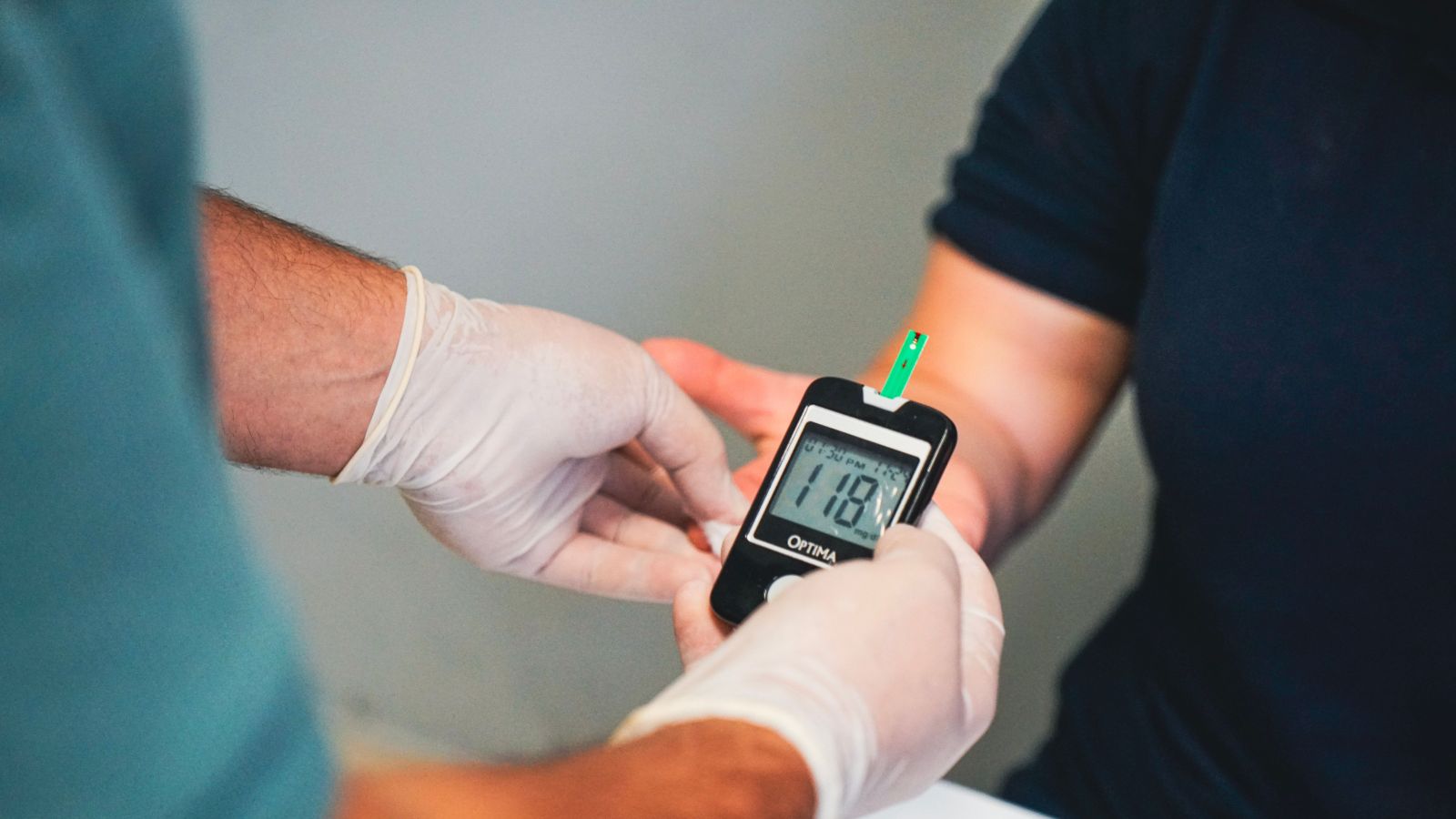
Dr Parul Khurana, Consultant Physician, Internal Medicine, RG Hospitals, Gagan Vihar (Delhi) says, “When we eat food, particularly carbohydrates, they are broken down into glucose, which enters the bloodstream. In response, the pancreas releases insulin, which helps the body take up and utilise this glucose for energy. Therefore, some variation in blood sugar levels throughout the day is completely normal.”
She adds that when blood sugar levels become very high, remain elevated for prolonged periods, or rise repeatedly, it becomes a cause for concern.
DISCLAIMER: This article is based on information from the public domain and/or the experts we spoke to. Always consult your health practitioner before starting any routine.
Repeated episodes of high blood sugar may indicate an underlying problem with glucose regulation and, if left unmanaged, can increase the risk of developing conditions such as prediabetes and type 2 diabetes.
However, she also says that a single high blood sugar reading, whether in the morning or after a meal, is not sufficient to conclude that a person has diabetes or prediabetes.
Why does blood glucose level fluctuate
Blood glucose can fluctuate for several reasons.
Story continues below this ad
Dr Khurana says, “The quantity and type of food consumed, the level of physical activity, stress, inadequate sleep, an illness or infection, certain medications and pregnancy can all influence blood sugar levels.”
Therefore, rather than focusing excessively on individual spikes, people should focus on maintaining good overall glucose control and metabolic health.
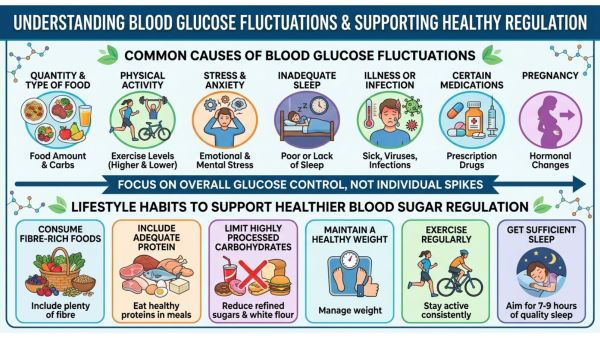 Factors such as food, exercise, stress and sleep can affect blood sugar levels (AI-generated image)
Ways to have healthier blood sugar regulation
To support healthier blood sugar regulation, Dr Khurana suggests consuming fibre-rich foods, including adequate protein in meals, limiting highly processed carbohydrates, maintaining a healthy weight, exercising regularly, and getting sufficient sleep.
“People with diabetes or prediabetes should pay attention to their glucose patterns and discuss consistently elevated readings with their doctor. Depending on the individual, tests such as fasting blood glucose and HbA1c may be recommended to assess overall glucose control,” she adds.
Story continues below this ad
DISCLAIMER: This article is based on information from the public domain and/or the experts we spoke to. Always consult your health practitioner before starting any routine.
KioskNews shows a cleaned-up reading view extracted from the publisher’s page — the original always lives on their site, not ours.