‘Missed opportunity’: US soybean farmers question exclusion from China tariff cuts
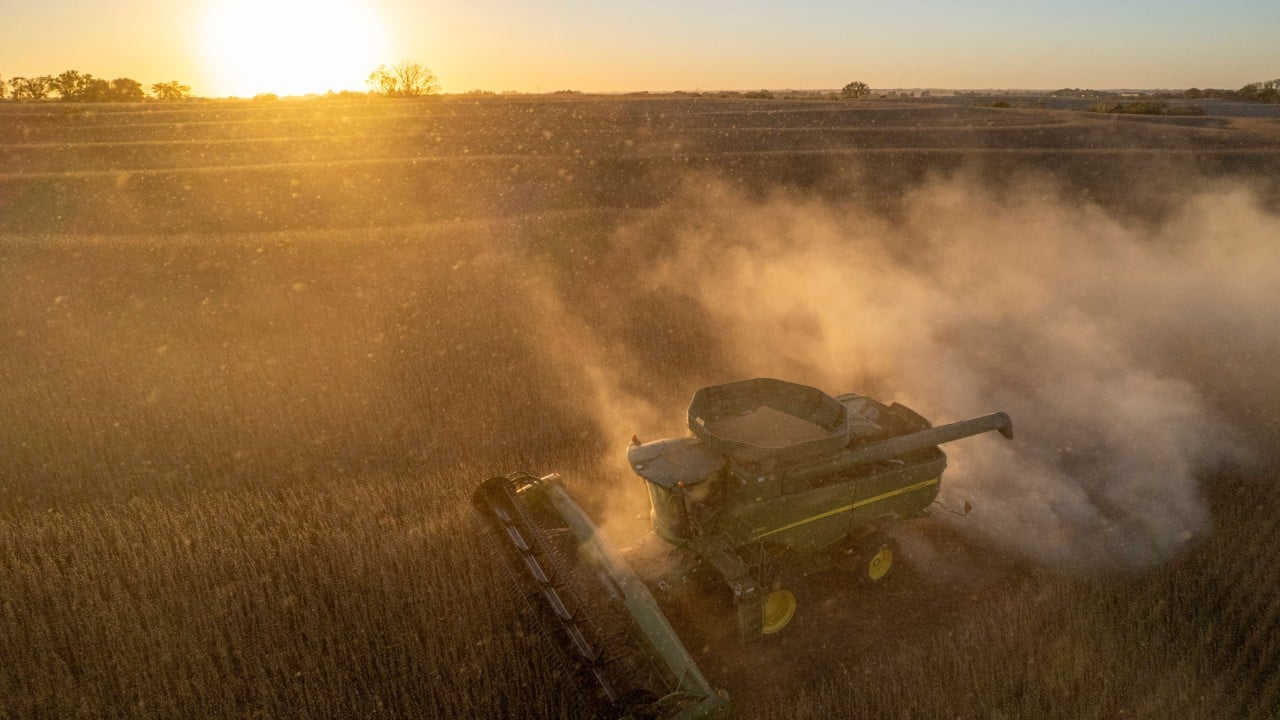
US soybean farmers have described the exclusion of US soybeans from China’s import list under the newly announced Board of Trade mechanism as a “missed opportunity”, even as Beijing ramped up purchases of the crop ahead of last week’s summit between Chinese President Xi Jinping and US President Donald Trump.
The trade forum, unveiled by both sides on Sunday, covered a range of US agricultural products for export to China, including meat, dairy, corn, wheat, sorghum and vegetable oils, but notably left soybeans off the list.
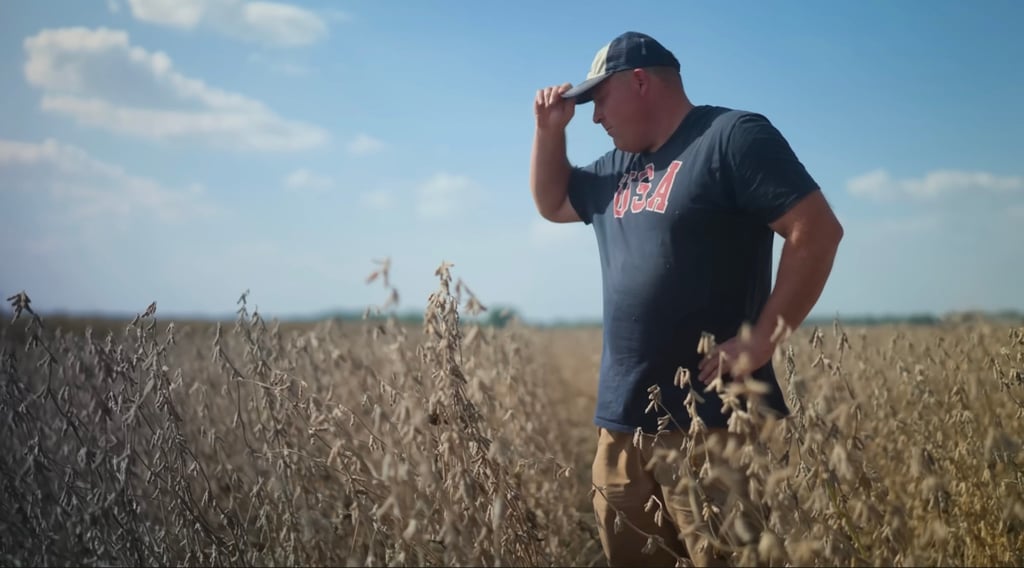
“This was a missed opportunity for the American farmer,” said John Bartman, an Illinois-based fifth-generation soybean farmer.
Before the summit last week, analysts and industry experts expected soybeans to be included in the tariff-reduced arrangement since US soybeans still face a 10 per cent tariff in China.
06:31
Soybeans: China’s new bargaining chip in trade war with US?
The American Soybean Association, an industry group representing soybean farmers across 30 states and more than 500,000 growers, said it was “disappointed” by the crop’s exclusion from the tariff-reduced list.
“China’s remaining 10 per cent retaliatory duty limits access for private Chinese importers,” it said in a statement.
China-US to establish agricultural trade working group
The United States and China have announced details of the non-sensitive goods covered by tariff reductions and agreed to establish an agricultural trade working group. The White House released tariff-reduction lists covering US$30 billion in goods from each side, including 77 categories of Chinese imports into the US and 1,619 US imports into China.
China’s Ministry of Commerce said on Monday that more than 90 per cent of the products covered by the agreement would receive most-favoured-nation tariff treatment, with all reciprocal tariffs on those goods waived.
However, soybeans still appear to be kept under an earlier agreement between the two sides.
The soybean deal was a key outcome of the trade truce reached in Busan, South Korea, last year. It was expanded after another leaders’ meeting in Beijing in May, when China pledged to buy at least US$17 billion worth of US agricultural products annually for the next three years. Beijing also agreed to purchase 12 million metric tonnes of US soybeans in the 2025 season and 25 million metric tonnes in 2026.
Agriculture Secretary Brooke Rollins said on Monday that Trump had continued to “deliver for America’s farmers and ranchers”.
She highlighted that China had already bought 12 million metric tonnes in the 2025 season and said purchases of 25 million metric tonnes this year were “on track”, describing the two targets as “wins already on the books.”
Wendy Cutler, senior vice-president at the Asia Society and a former senior US trade negotiator, said that the soybeans exclusion seemed like a “deliberate decision” given “the robust Chinese purchasing commitments already announced on soybeans as part of the trade truce”.
SCMP Plus is a new premium news platform that gives you an
all-inclusive edge to stay ahead on China news.
To access our exclusive content you’ll need to subscribe.
Already a subscriber?
LOG IN
Chinese state-run agricultural companies have already bought more than 12 million metric tonnes this year, more than half of the annual pledged amount.
But Bartman said the existing 10 per cent tariffs make US soybeans “more uncompetitive” compared with exports from South American markets such as Brazil.
He added that the existing agreement with China on soybeans is “less than the average of what they were purchasing before Trump was in office”.
“This is not a good situation. This is not a winning situation for Donald Trump,” Bartman said.
According to analysis by Purdue University’s Centre for Commercial Agriculture, even if China meets its soybean purchase commitments, shipments would still be 14 per cent below the five-year average of 29 million tonnes sent to China annually from 2020 to 2024.
Overall, the agricultural trade pledges fall well short of the US$40 billion in agricultural exports to China recorded in 2022.
US farmer welcomes inclusion of dairy products in China’s import list
Jeff Winton, a dairy farmer in upstate New York, welcomed the inclusion of dairy products in China’s import list, saying he was “particularly relieved”, but added that he was “surprised and disappointed” that soybeans were not included.
Drawing on conversations with farmers and farm groups across the US, he noted that some grain bins remained filled with soybeans from last season, while high diesel costs threatened to leave some fields unharvested this year, calling the situation “tragic”.
Rising diesel and fertiliser costs have added pressure on US farmers, with fuel costs pushed higher by the US war in Iran. The loss of a significant share of the Chinese market and the impact of President Trump’s tariff policies have compounded those higher production costs, deepening financial strains across the US agricultural sector.
Diesel prices reached a record US$6.53 a gallon on September 22 before edging down to US$6.45 on Monday, according to American Automobile Association data.
KioskNews shows a cleaned-up reading view extracted from the publisher’s page — the original always lives on their site, not ours.