Poorer UK households could be given extra money in Budget to help with rising energy bills
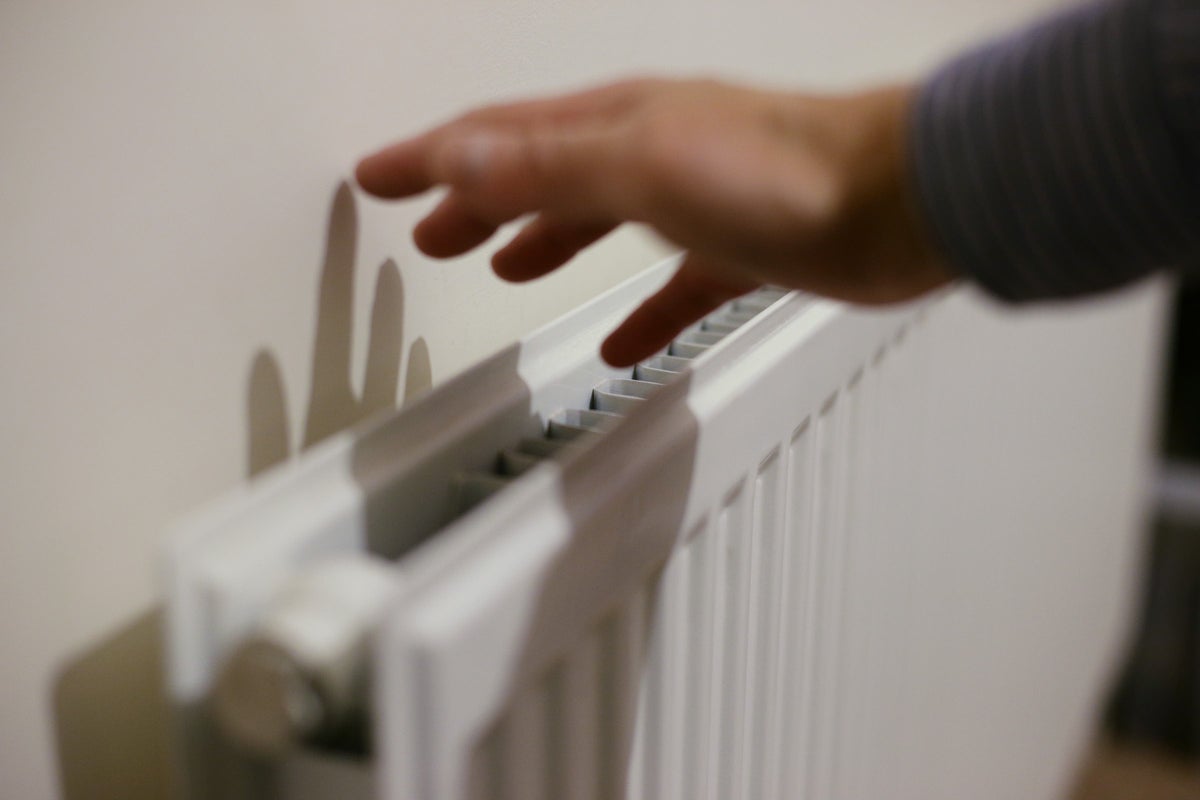
Low-income households could have their energy costs cut at this month’s Budget as forecasters warn that bills will rise to nearly £2,000 in the new year.
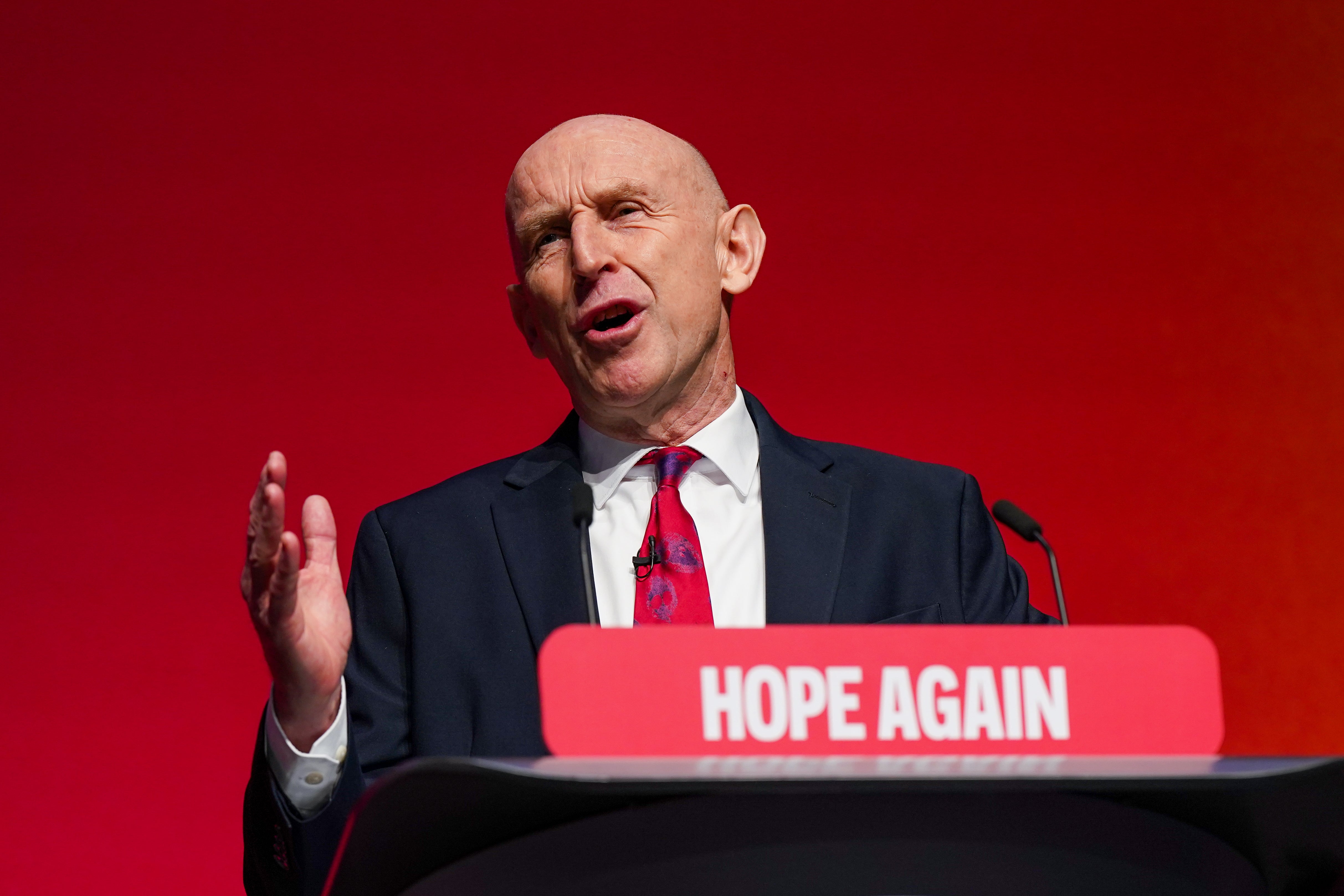
Chancellor John Healey is reportedly looking to spend over £1bn to see greater discounts applied to households less able to afford rising costs.
This will likely come in the form of an expansion of the existing Warm Home Discount, which currently grants a yearly £150 rebate to energy bills for households receiving a qualifying means-tested benefit. This could be boosted by another £100, The Guardian reports.
As many as six million households received the discount last year after the government expanded eligibility for the scheme last year, with qualifying benefits including universal credit, pension credit and housing benefit.
The cost of the scheme is placed on participating energy providers, rather than the government.
Energy bills were reduced by £45 on average from October following an early announcement by Andy Burnham to remove VAT costs from electricity bills. This followed an average £150 reduction from April through Rachel Reeves’ decision to cut two green levies from bill costs.
Mr Burnham pledged to lower energy costs in his first Labour conference speech as leader last week, telling delegates in Liverpool: “British businesses and bill-payers pay some of the highest energy costs in Europe. Within 10 years, I want those costs to be in line with our neighbours.
“This means reforming a broken energy market so it better serves the public interest.”
Energy department officials are also understood to be working up plans to change how much companies can charge customers, rather than applying rebates to their bills.
This could come in the form of a social tariff – called for by several experts – which would require providers to charge low-income households less than those which are more able to absorb costs.
Any such policy would require substantial administration to implement, with tax authorities and energy companies likely needing to liaise to target support. Meanwhile, the framework for the Warm Home Discount is already in place, and already does not generally require eligible households to apply.
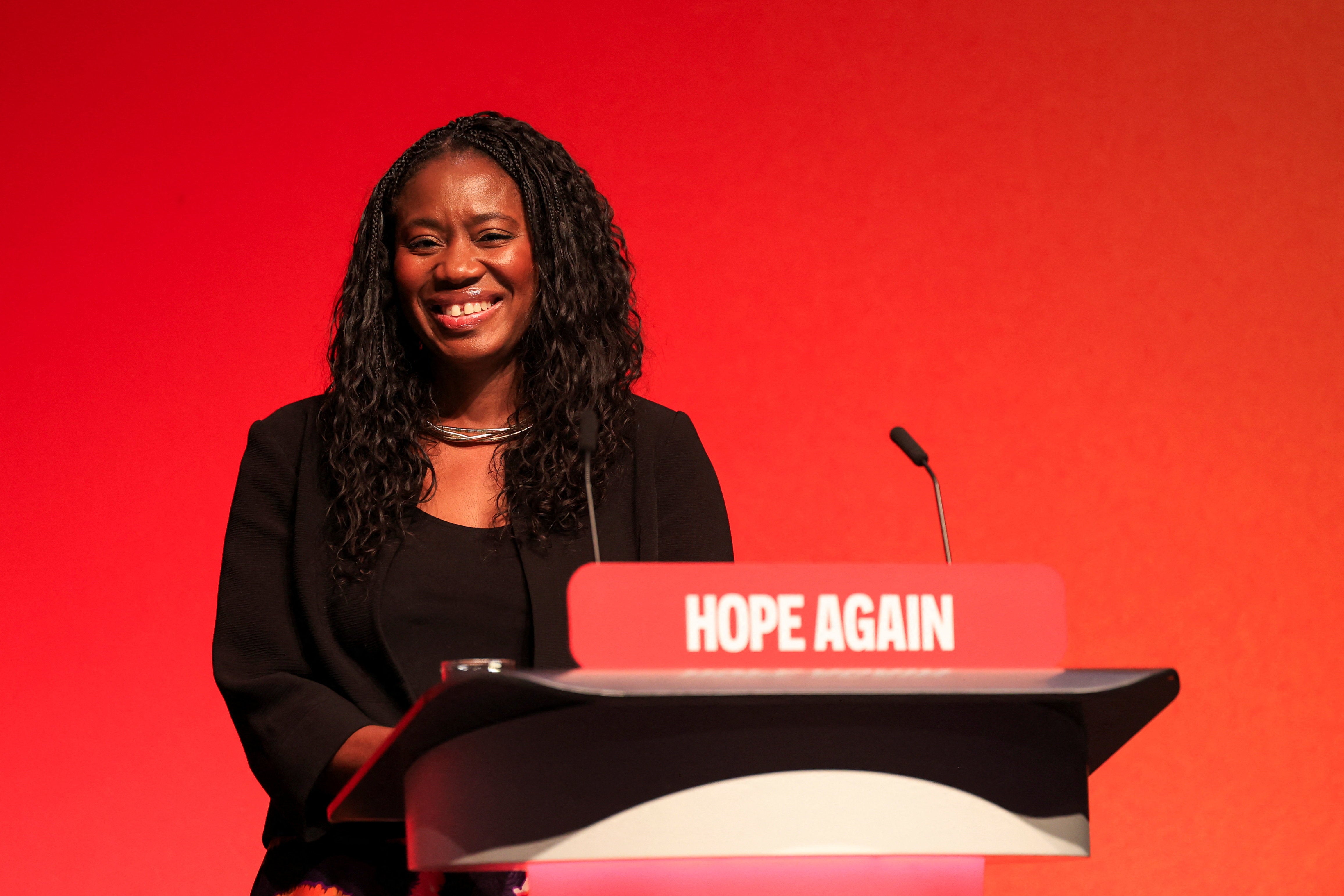
Such a policy has previously been called for by the influential Resolution Foundation – formerly led by pensions minister Torsten Bell – as well as the New Economics Foundation (NEF) when energy secretary Miatta Fahnbulleh was its chief executive.
Mr Healey has reportedly pushed back against Ms Fahnbulleh in her call to to remove all remaining green levies from energy bills. Speaking last week, the energy secretary hinted that this could be paid for through taxation, rather than only the government.
She said last week: “If we want a system that is resilient, if we want a system that can cope, if we want a system that ultimately can deliver the diversity of energy that we want, what is the fairest way in which we pay for it?
“That is both across the exchequer versus our bill-payers, and then within our bill-payers. So we have to ask that question. Every other country is asking that question, and ultimately we’ve got to come to a fair deal,” Ms Fahnbulleh told the Guardian.
A spokesperson for the Treasury said: “As has always been the case, decisions on tax are a matter for the chancellor to set out at fiscal events, rather than routinely commenting on rumour, speculation or proposals.”
KioskNews shows a cleaned-up reading view extracted from the publisher’s page — the original always lives on their site, not ours.