KKL-JNF unveils archival photos showcasing Sukkot celebrations in honor of the holiday

Long before elaborately designed sukkahs, store-bought decorations and photos shared on social media, Sukkot in Israel was very much a communal celebration.
In honor of the upcoming Sukkot holiday, the Keren Kayemeth LeIsrael-Jewish National Fund (KKL-JNF) Photo Archive on Thursday released a series of four previously unseen photographs of Israelis celebrating Sukkot across the country in the 1950s and 1960s.
The first image, from Sukkot 1959 (5720), shows a Hassidic Jew inside a Jerusalem sukkah holding the Four Species, performing the mitzvah of lulav. The sukkah walls surrounding him, according to KKL-JNF, are adorned with handmade paper chains and ornaments.

In contrast to the calm, prayerful tone of the Jerusalem sukkah picture, the next image (seen at the top of this page), from 1963, shows a large celebration in the northern town of Horshat Tal, with crowds of people watching a dance performance in honor of the harvest holiday.
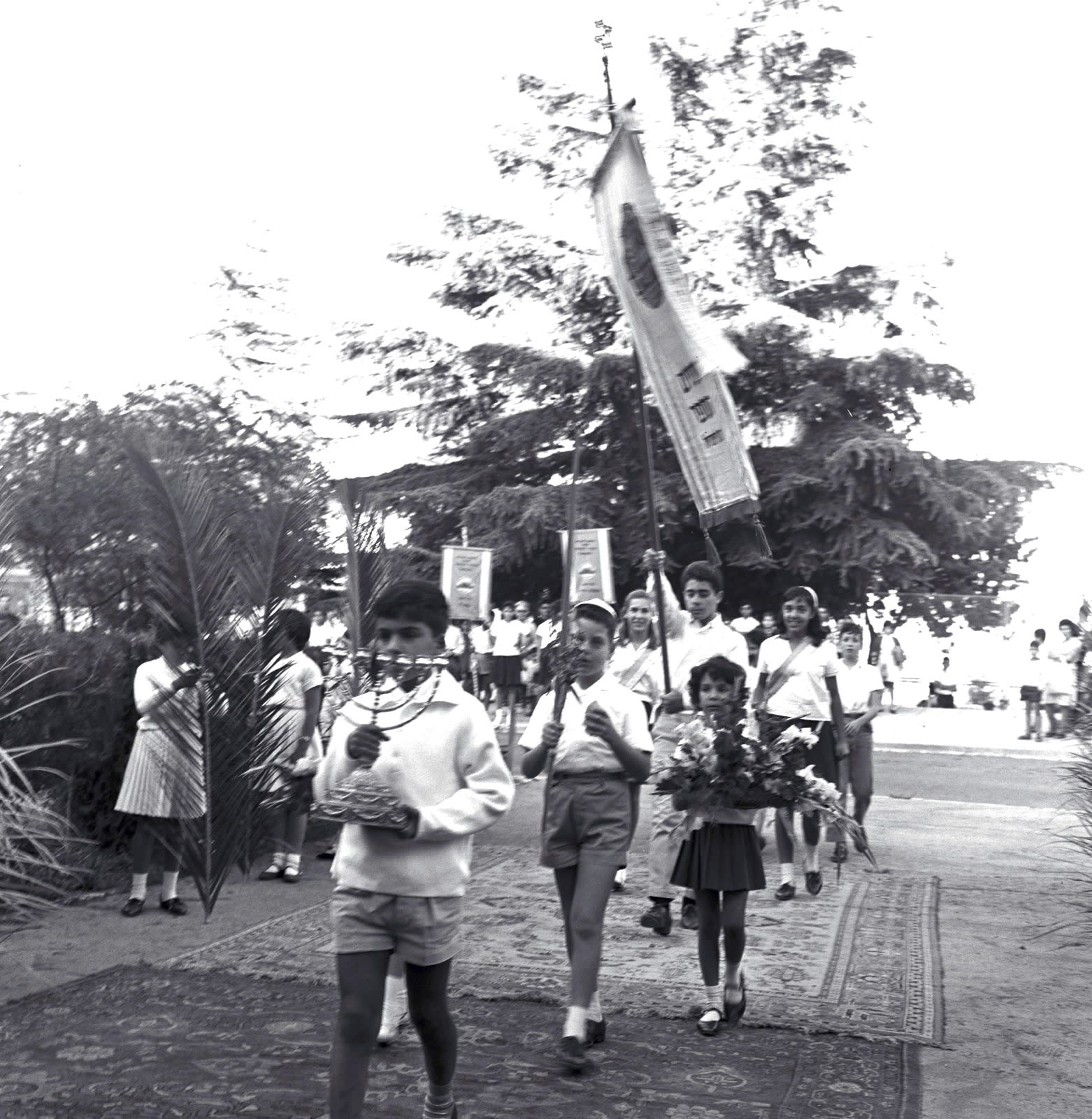
Another picture, also from Jerusalem, shows children in 1964 participating in the city's "Jerusalem Flag" ceremony during Chol HaMoed. They are dressed in white, marching through a park holding the Four Species, flowers, flags, and other religious paraphernalia.
Jerusalem's annual Four Species market event
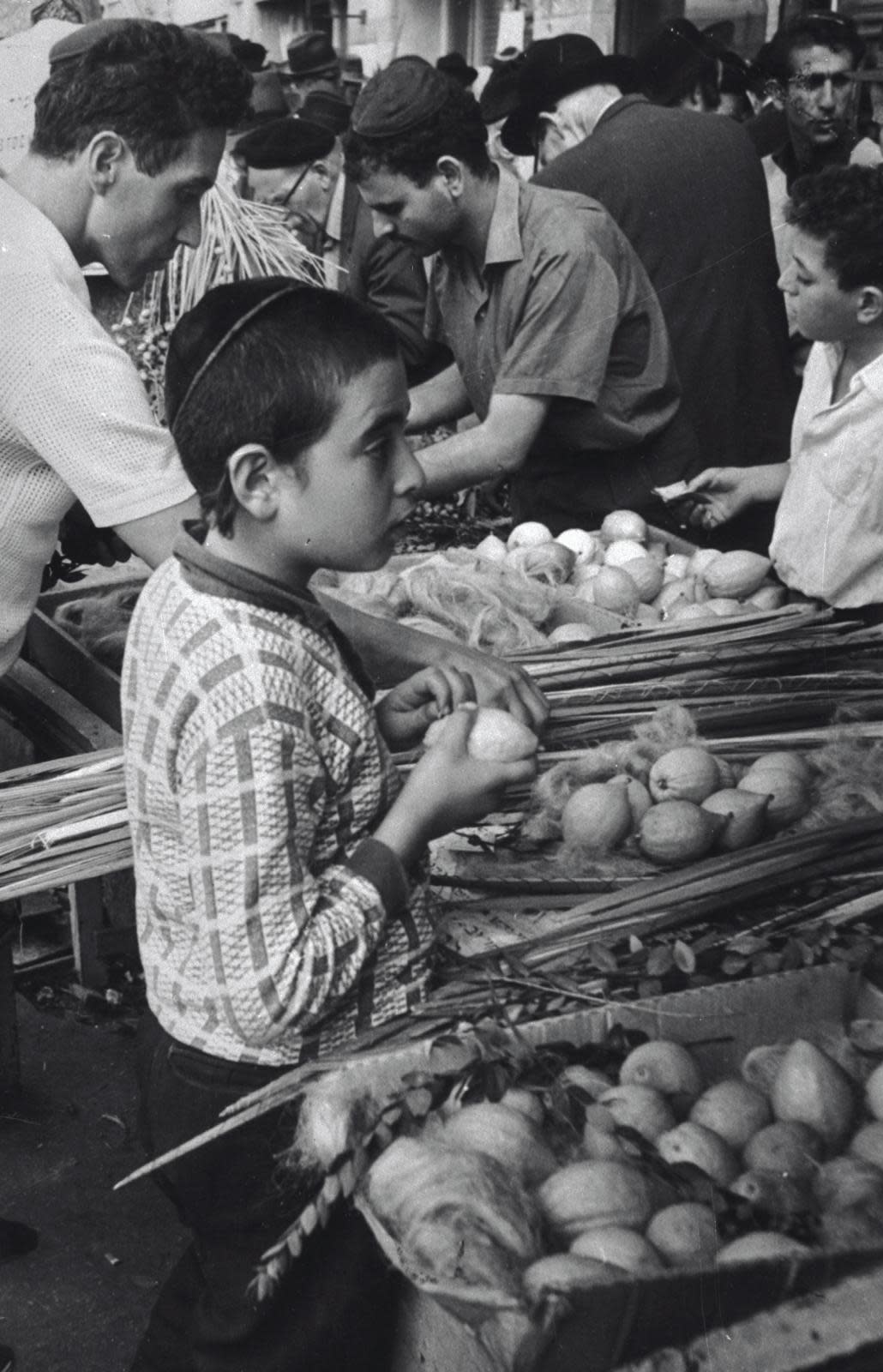
The final photograph was taken at Jerusalem's Four Species market - an event that still occurs annually in Israel's capital - in 1967, just months after the Six-Day War and reunification of Jerusalem. A child is seen holding an etrog, surrounded by countless tables piled high with lulavs, myrtle branches, and etrogs.
“These photographs allow us to encounter Sukkot once again as it was celebrated in Israel decades ago, and as it is still celebrated today: in the family sukkah, at the Jerusalem market and at large outdoor gatherings," said Efrat Sinai, Director of Archives at KKL-JNF.
"They show how tradition, Zionist education, agriculture and community came together to create the holiday's unique Israeli character. Beyond their historical value, these are vibrant, deeply human moments that remind us how much we have changed, and how the customs of the holiday continue to connect generations.”
KioskNews shows a cleaned-up reading view extracted from the publisher’s page — the original always lives on their site, not ours.