Indonesian village offers model for preventing peatland fires, but funding is a challenge
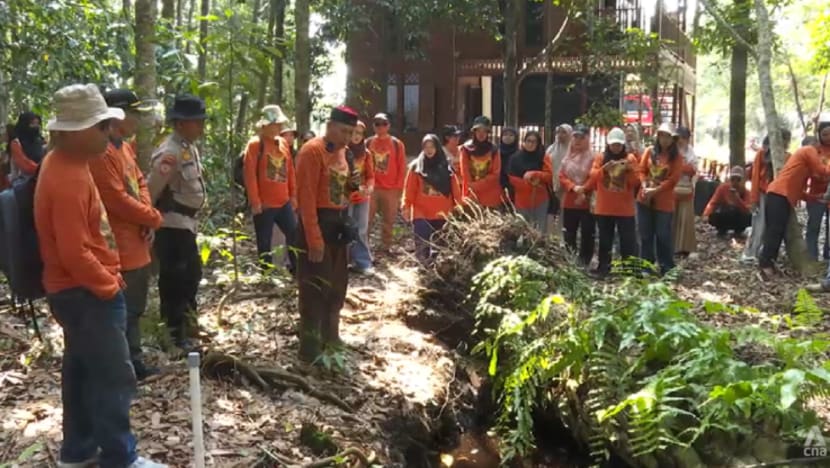
The village of Tanjung Leban in Riau province has been designated a national pilot project for community-led peatland restoration, but damaged infrastructure and limited funding threaten its progress.
New: You can now listen to articles.

This audio is generated by an AI tool.


18 Nov 2026 02:31PM
TANJUNG LEBAN, Indonesia: More than a decade after it was devastated by peatland fires in 2015, a village in Indonesia's Riau province is emerging as a model for community-led restoration and efforts to prevent future blazes.
Tanjung Leban in Riau's coastal Bengkalis regency has managed to keep fire damage to a minimum this year, despite a severe dry season that sparked forest and land fires across the province and other parts of Indonesia.
Its success highlights the role local communities can play in preventing fires and protecting vulnerable peatlands.
Authorities are increasingly tapping into villagers' knowledge of the terrain and waterways to support peatland restoration efforts, although challenges remain, including resistance from some residents and limited funding.
“LIVING LABORATORY”
In September, Indonesia's Forestry Ministry identified Tanjung Leban as a "living laboratory" for community-led peatland restoration and fire prevention as part of a national pilot project.
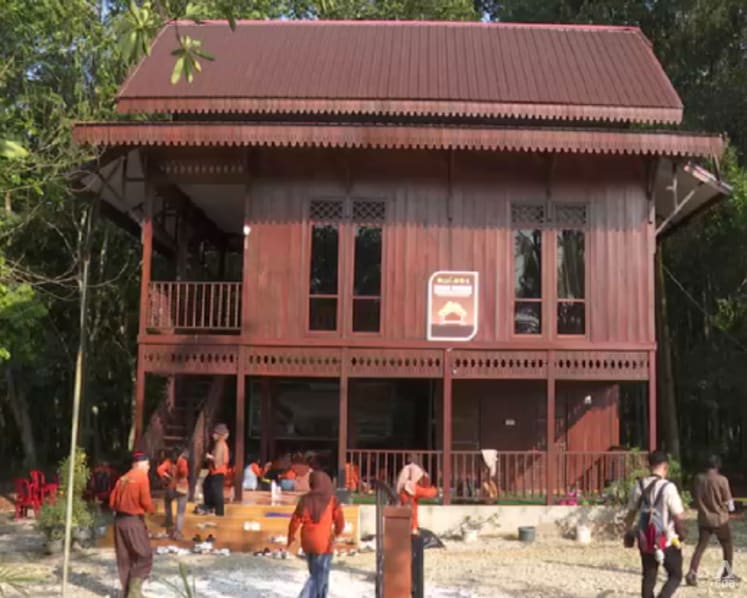
At the heart of the initiative is Rumah Runding, or Discussion House, a two-storey wooden building set within a restored peatland area in the village.
Since its soft launch in 2021, it has brought together villagers, researchers and environmental groups to share knowledge and ideas.
"We test how knowledge and technology can be applied through different approaches,” said Haris Gunawan, a senior researcher at the University of Riau's Centre of Excellence for Peatland and Disaster Studies.
“These approaches are developed and discussed collaboratively with various stakeholders, bringing together expertise from different disciplines.”
He said this collaborative approach is one of the strengths of Tanjung Leban's peatland restoration efforts, particularly at its experimental sites spanning 2,400ha.
MAINTAINING GROUNDWATER LEVELS
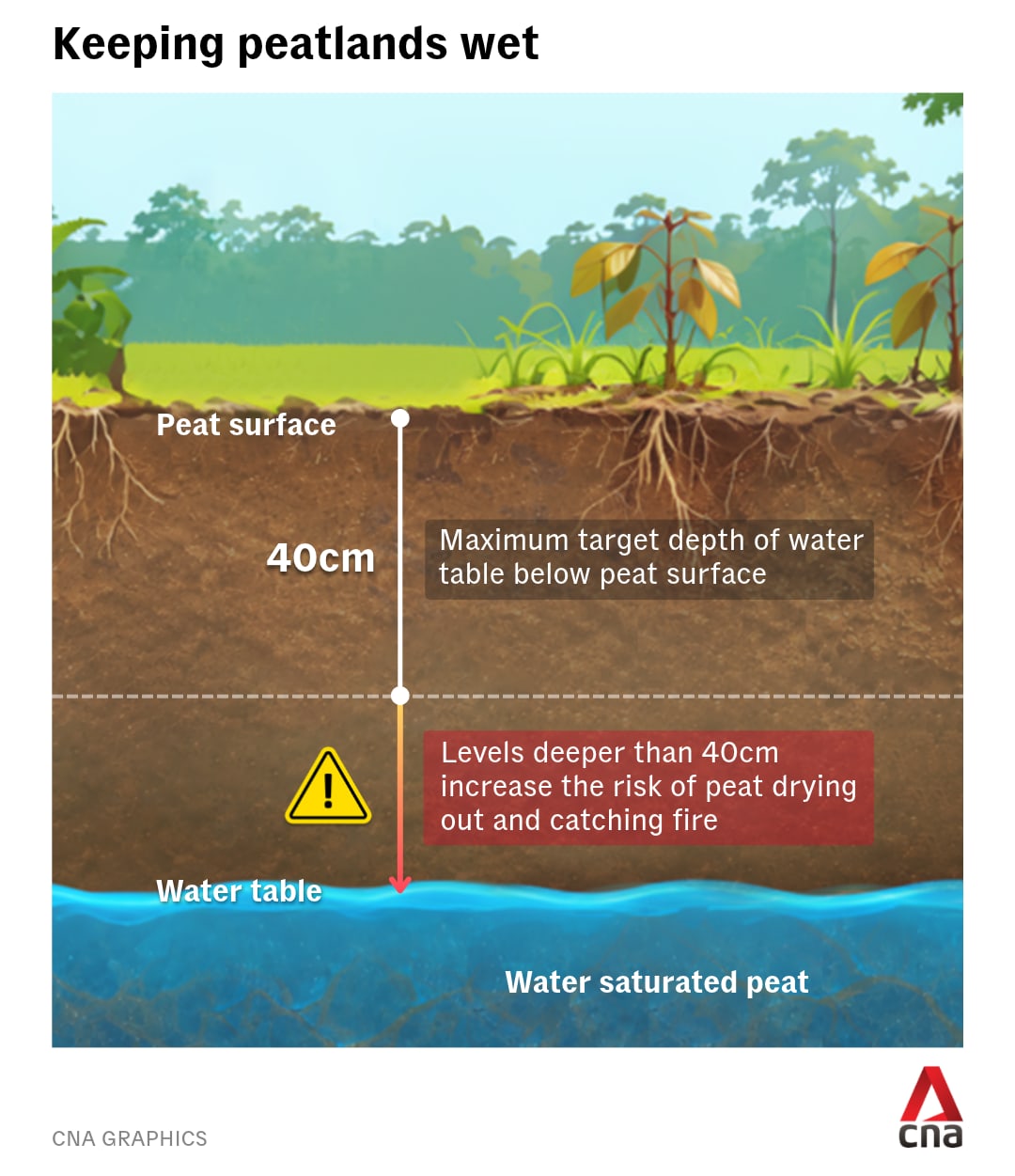
A key focus is keeping peatlands wet to reduce the risk of fires.
Indonesia has introduced regulations aimed at maintaining groundwater levels, with a water table threshold of no more than 40cm below the peat surface.
When the water table drops below that level, the peat begins to dry out, making it more vulnerable to fire.
But Indonesian Environment Minister Mohammad Jumhur Hidayat said restoration measures must account for differences in local conditions.
“There is no single formula for every peatland. Natural water table conditions vary across Southeast Asia, with rainfall, location and seasons,” he said.
“Restoration must respond to the landscape rather than follow a uniform design.”
CANAL BLOCKS FACE RESISTANCE
In the 1990s, vast networks of canals were dug to drain peatlands for large-scale agricultural projects, primarily in parts of Sumatra and Kalimantan.
One of the largest was the Mega Rice Project, launched under then Indonesian President Suharto in Central Kalimantan, which aimed to convert 1 million ha of peat swamp forest into rice fields. More than 4,000km of drainage canals were dug between January 1996 and July 1998.
But the project failed because the acidic, nutrient-poor peatland could not sustain large-scale rice farming.
The over-drained peatlands dried out, leaving large areas vulnerable to fires.
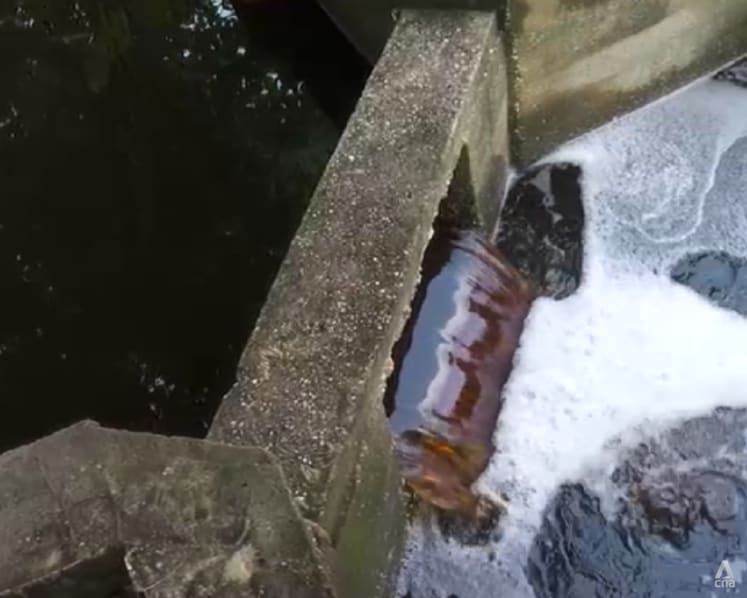
In Tanjung Leban, authorities and local communities are working to restore drained peatlands by installing canal blocks, which retain water and raise water levels, allowing moisture to seep into the surrounding peatland.
But researchers say the success of these measures depends on community support, particularly among residents concerned that higher water levels could affect their plantations.
Sigit Sutikno, head of the University of Riau's Centre of Excellence for Peatland and Disaster Studies, said some canal blocks have faced resistance from residents, despite consultations before their installation.
"Even within our own community, we don't always share the same understanding,” he said.
“Some of the canal blocks we've built have been damaged by residents simply because they don't understand their purpose.”
FUNDING SHORTFALL THREATENS RESTORATION
Maintaining installed canal blocks is another challenge. In Tanjung Leban, many of these structures have fallen into disrepair.
Village secretary Al Imran said funding and policy gaps are hindering restoration work.
“We have no funding for peatland restoration,” he said.
“Frankly, programmes from the central or higher levels of government have yet to reach our village. Without clear policies or technical guidelines, the village authorities cannot allocate a budget for restoration,” he added.
The funding problem extends beyond Tanjung Leban, according to environmental groups working with communities across Riau.
"Budget cuts have left villages struggling to cover basic administrative costs, let alone environmental programmes or other initiatives," said Mulyadi, director of the Peatland Foundation, an Indonesian non-profit organisation that works with local communities on peatland and mangrove restoration.
For village-led restoration efforts to be sustained, Mulyadi said continued government support and resources will be crucial.
KioskNews shows a cleaned-up reading view extracted from the publisher’s page — the original always lives on their site, not ours.