No more missed school: Washable, reusable pads take on Ethiopia’s period poverty
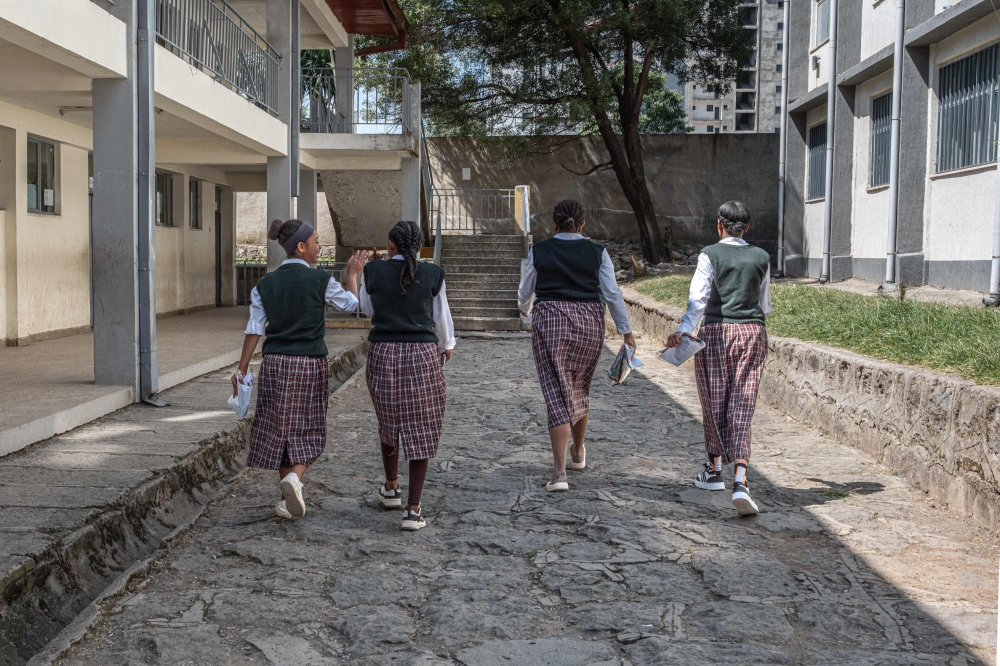

Schoolgirls carry reusable sanitary pad kits as they return to class after a menstrual health and hygiene awareness session at Nigat Kokeb School in Addis Ababa on October 20, 2026. — AFP pic
First Published: Sunday, 15 Nov 2026 7:00 PM MYT
ADDIS ABABA, Nov 15 — In a cramped workshop in the heart of Addis Ababa, seamstresses are busy turning out reusable sanitary pads — a vital resource in Ethiopia, where many girls go without because of the cost and taboos.
In Ethiopia, a religiously conservative country of 130 million people where around 40 percent live in poverty, menstruation is still often treated as a subject of shame and disposable sanitary pads are luxury items.
Hanan Ahmed, 41, set up her company, Han’s with Care, in 2021 in the hope of tackling what she calls “menstrual shame and period poverty” — something she experienced firsthand when she was younger.
“I used to be one of those girls who have a very heavy flow. I would end up staining my clothes and the desk I was sitting at. And because of that, I didn’t come to school for like a week or two, making up excuses,” Hanan told AFP.
After a career in fashion and then aviation, she realised that “some of the period-shaming that happened 20 years ago is still going on now” and decided to leave everything behind to start her own business.
Ethiopia imports all its sanitary pads from abroad, making them unaffordable to the poor.
A 2017 study by Johns Hopkins University found that just 28 percent of Ethiopian women reported having everything they need for their periods.
The result is that young girls miss school, women lose crucial income and many are forced into dangerous alternatives.
In rural areas, they use “bits of mattress or dirty socks”, said Hanan, adding that it causes infections.
Her company offers cotton sanitary pads that are washable and reusable for up to two years.
‘Excluded’
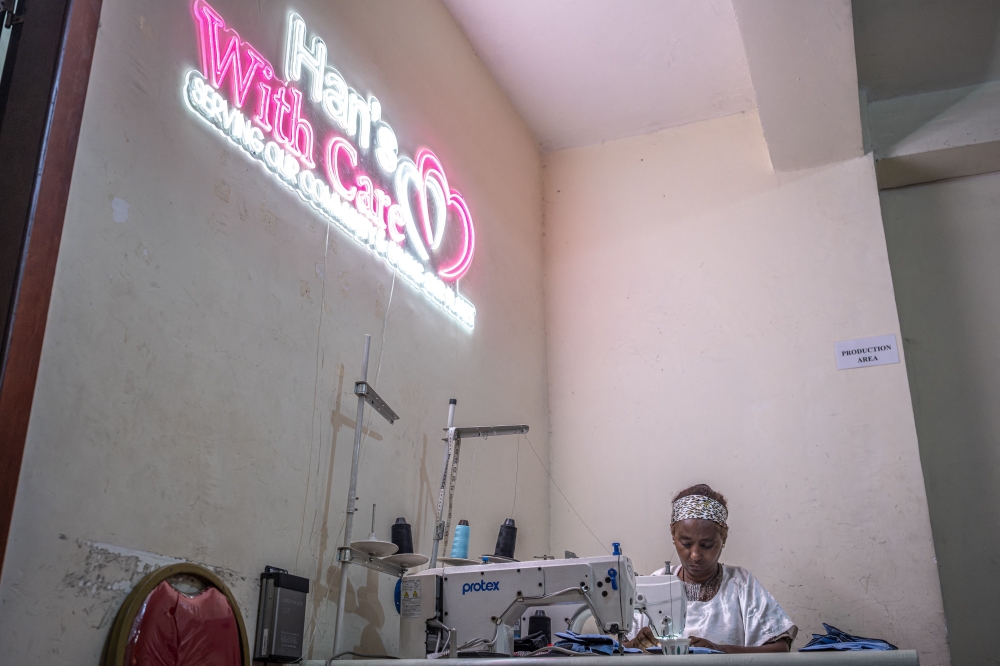
A seamstress works sews a reusable sanitary pad beside the illuminated Han’s with Care sign at the company’s Addis Ababa workshop on October 20, 2026. — AFP pic
In the small workshop in the capital, the dozen workers are tightly focused, the clatter of sewing machines drowning out any conversation.
The company can produce up to 1,000 pads a day.
Rather than distributing them through pharmacies, the firm sells to sponsors such as banks, which then give them out for free across the country.
Tsege Woldu Abate, 30, has worked at the company for five years.
She recalled her first period at age 13: “I didn’t tell my family... I was afraid to speak up.”
Today, she says she is “proud” of her work because “it is very useful for girls”.
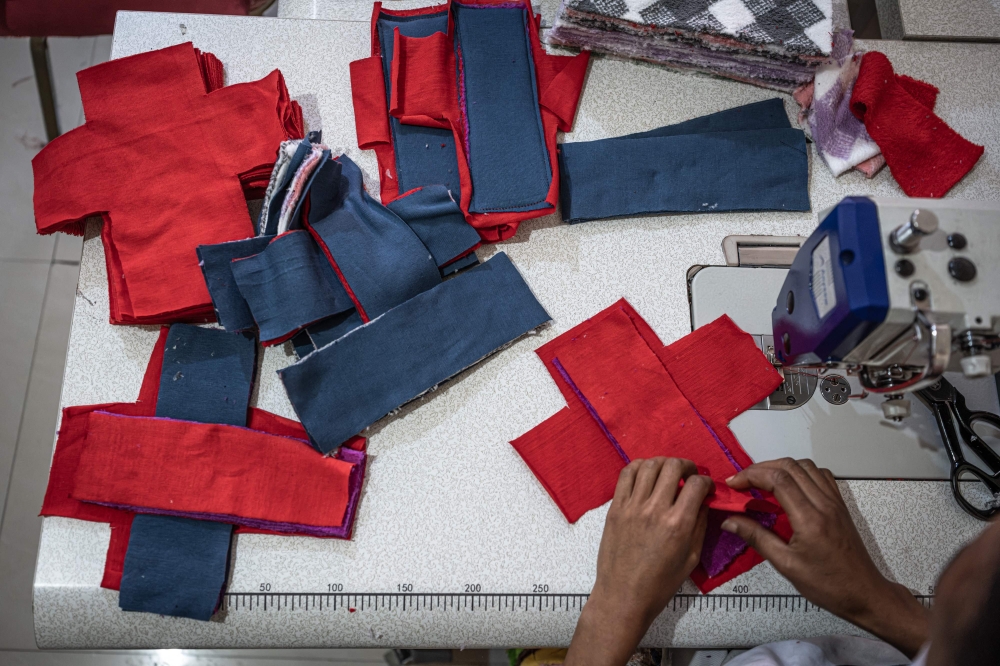
A seamstress’s hands guide a reusable sanitary pad through a sewing machine at the Han’s with Care workshop in Addis Ababa on October 20, 2026. — AFP pic
On a recent morning at the Nigat Kokeb School in Addis Ababa, sanitary pads were distributed to about a dozen young girls.
Their teacher, Tigist Shewangizaw, welcomed the company’s awareness-raising efforts and donations, so that “no girl misses school”.
While Hanan highlights the progress made in the capital, she said the situation remains largely unchanged in rural areas.
“In some tribes and religious groups, when a young girl begins her period, she is excluded from the household,” Hanan said.
She hopes to secure greater support from the Ethiopian authorities and to see the conversation around menstruation normalised.
“We’re trying to create that freedom to talk about periods,” said Hanan. “We’re raising our voices, so I believe and I hope that in 10 years’ time, there will be a change in our community.” — AFP
KioskNews shows a cleaned-up reading view extracted from the publisher’s page — the original always lives on their site, not ours.