‘Columbia did not care’: Pro-Palestinian student Mahmoud Khalil files lawsuit against University
The lawsuit alleges that Columbia failed to protect pro-Palestinian students from harassment and doxxing and seeks to end the University’s suspension of the Palestine Working Group.
5 min readSep 15, 2026 07:17 AM IST First published on: Sep 15, 2026 at 07:16 AM IST
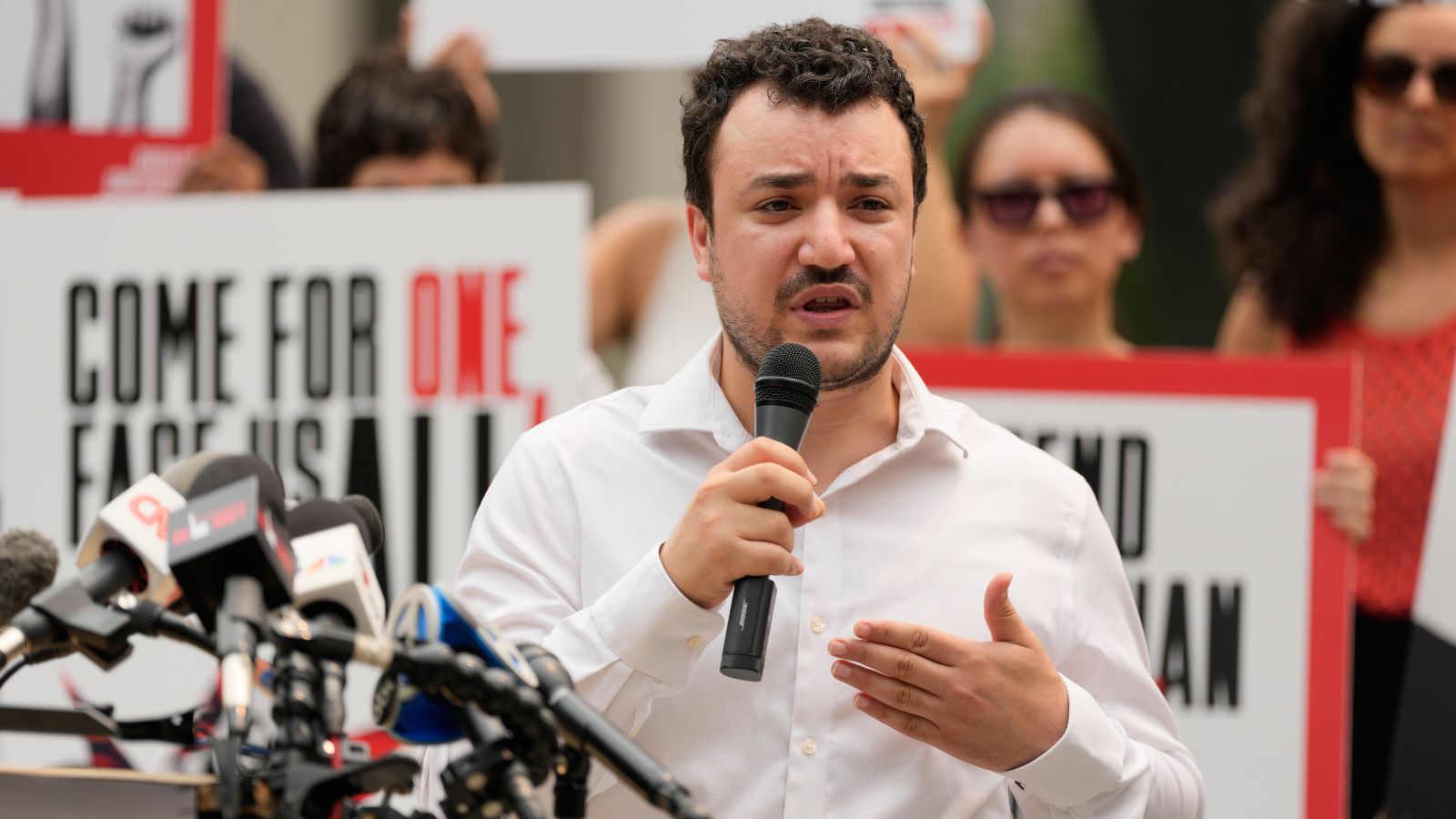
Mahmoud Khalil speaks during a news conference in New York, July 14, 2026. (AP Photo/Seth Wenig, File)
For months, Mahmoud Khalil was the student both protesters and Columbia administrators turned to the go-between trying to keep talks open during the Gaza war demonstrations. Now he is suing the university, accusing it of standing by while he and other Palestinian students were targeted.
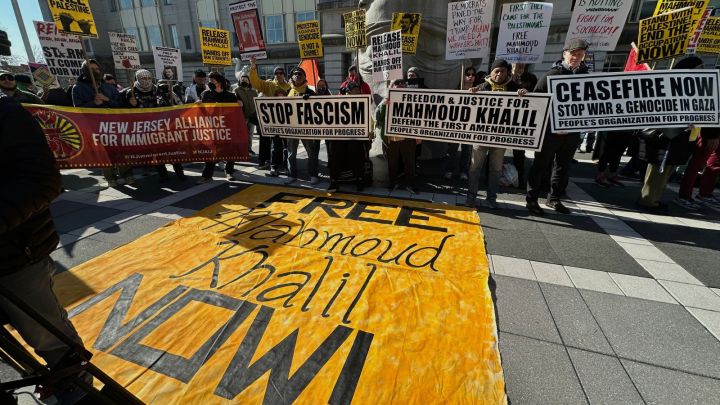
Khalil is a US green card holder of Palestinian background. He was studying at Columbia’s School of International and Public Affairs (SIPA) when federal immigration agents arrested him at his university flat in March 2025 the first of several foreign students the Trump administration has since tried to detain and deport over their support for Palestinian rights. He missed the birth of his first son while behind bars.
“Columbia laid the groundwork for my targeting by the Trump administration through its deliberate indifference and discrimination against Palestinian students,” Khalil said in a statement emailed to Forbes. “For over two years, we pleaded with Columbia, and Columbia did not care. Our safety and wellbeing did not serve the ideological project its Board of Trustees was protecting, so they traded us away. We are suing because no one should go through the hell Columbia put us through.”
What the lawsuit says
The 60-page case was filed in the southern district of New York. Khalil and other members of SIPA’s Palestine Working Group accuse the university, its board, and the school’s dean, Keren Yarhi-Milo, of ignoring what they call ongoing and organised harassment against students who spoke up for Palestinian rights.
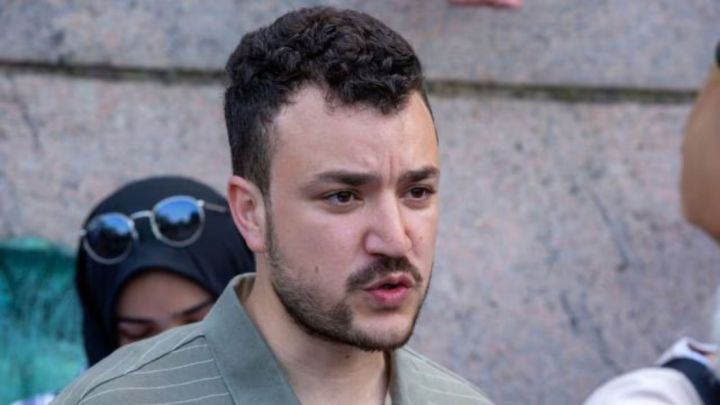
He was released in June 2025, but he is still fighting efforts to deport him a battle expected to end up in the US Supreme Court. That fight now runs alongside this new one, aimed squarely at the institution he once trusted to protect him.
Story continues below this ad
A pattern of legal action
This is not Khalil’s first case. In July, he sued the Trump administration and several pro-Israel groups, saying they worked together to target him and other activists. He has also filed a $20 million claim against the administration for false imprisonment and malicious prosecution, and is seeking records that he says show collusion with anti-Palestinian groups such as Canary Mission. Back in March 2025, he tried to stop Columbia from handing over student discipline records to a House committee that has led scrutiny of universities since the Gaza war and the campus protests that followed.
Khalil said the university’s failure to act made him a target. He wrote that Columbia’s leadership cared more about protecting its own reputation than the safety of Palestinian students.
He also said more legal action is likely, adding that he will next turn his attention to individuals at Columbia he holds responsible.
Columbia has not commented on the case directly. A university spokesperson said the school is committed to protecting its community from discrimination and harassment, and to responding quickly when problems are raised.
Story continues below this ad
Columbia students set up the first pro-Palestinian campus camp in spring 2024, and similar protests spread to universities across the country. The school, once known for its Palestinian studies programme, became the first target of the Trump administration’s wider campaign against universities over claims of antisemitism.
The lawsuit claims that after the Hamas attacks of 7 October 2023 and Israel’s war in Gaza, students repeatedly asked Columbia for help against doxxing campaigns. Some students had their names, photos and personal details shared online and even displayed on mobile billboards.
Mohammed Ibrahim Zubairi, a Columbia graduate and former head of the Palestine Working Group, is also named in the case. He told The Guardian the lawsuit aims to force universities to admit they got things wrong.
Another plaintiff, Bhavana Bellamkonda, said the case is about the conditions that allowed hostility toward pro-Palestinian students to continue. She said they are not asking for special treatment, only the same protection under the law that Columbia already promises its students.
Story continues below this ad
The warnings he says went unheard
That trusted, go-between role is central to the case. Before his arrest, Khalil had repeatedly reported threats, harassment and doxxing, including attacks on his immigration status. The day before he was detained, he emailed Columbia’s then interim president, Katrina Armstrong, asking for urgent steps to protect international students.
One of his lawyers, Brittany Finley, said Columbia knew what was happening on campus and chose not to act.
According to the lawsuit, instead of addressing student concerns, Columbia brought disciplinary action and restrictions against them, including suspending the Palestine Working Group in May 2025 — a suspension still in place.
Other pro-Palestinian students have filed similar lawsuits against Columbia, accusing it of failing to protect them from a hostile campus environment.
Story continues below this ad
Khalil said the fight did not start with him and should not end with him either. He said the lawsuit is meant to spare future Columbia students the same experience.
The Express Global Desk at indianexpress.com which delivers authoritative, verified, and context-driven coverage of key international developments shaping global politics, policy, and migration trends. The desk focuses on stories with direct relevance for Indian and global audiences, combining breaking news with in-depth explainers and analysis. A major focus area of the desk is US immigration and visa policy, including developments related to student visas, work permits, permanent residency pathways, executive actions, and court rulings. The Global Desk also closely tracks Canada’s immigration, visa, and study policies, covering changes to study permits, post-study work options, permanent residence programmes, and regulatory updates affecting migrants and international students. All reporting from the Global Desk adheres to The Indian Express’ editorial standards, relying on official data, government notifications, court documents, and on-record sources. The desk prioritises clarity, accuracy, and accountability, ensuring readers can navigate complex global systems with confidence. Core Team The Express Global Desk is led by a team of experienced journalists and editors with deep expertise in international affairs and migration policy: Aniruddha Dhar – Senior Assistant Editor with extensive experience in global affairs, international politics, and editorial leadership. Nischai Vats – Deputy Copy Editor specialising in US politics, US visa and immigration policy, and policy-driven international coverage. Mashkoora Khan – Sub-editor focusing on global developments, with a strong emphasis on Canada visa, immigration, and study-related policy coverage. ... Read More
KioskNews shows a cleaned-up reading view extracted from the publisher’s page — the original always lives on their site, not ours.