The 2026 be prepared wave: why it feels like the end of the world

One could be forgiven for thinking the world is hurtling towards an apocalyptic end and that humanity is about to reenact Mad Max, complete with spiked leather jackets and tribal warfare over the last remaining can of baked beans.
This is because more than 30 countries have recently issued “be prepared” warnings, sending preppers – those who prepare for the day when the grid goes down, the shelves go empty, and the world as we know it ends – into another frenzy of stockpiling and repetitions of “I knew it was coming”.
The world has become more dangerous—or at least appears so. With never-ending global conflicts, meteorological tantrums, and the instant, vibrating hum of social media algorithms pinging our dopamine receptors twenty-four hours a day, crises are no longer experienced; they are simulated in our heads before they even happen.
And social media amplifies crises in ways the older generation —who blissfully survived on slow-moving broadsheets and evening radio—never experienced. What once trickled down as boring administrative updates now floods our phones in real-time, inducing a collective, low-grade heart flutter.
When roughly 30 nations update their civil resilience playbooks in the same calendar window, algorithms do what they do best: they hallucinate a conspiracy. Social media sharing stitches these independent notices together into a terrifying mosaic of a coordinated global doom narrative.
Some viral headlines scream that something’s going terribly wrong; others claim governments are secretly preparing us for war and not telling us the whole story.
The world has always had its dangers; the difference today is that mechanisms for broadcasting anxiety have become infinitely more efficient.
The reality, as is so often the case, is wonderfully, boringly mundane.
To understand the October 2026 wave, we must separate routine government weather chores from modern media panic.
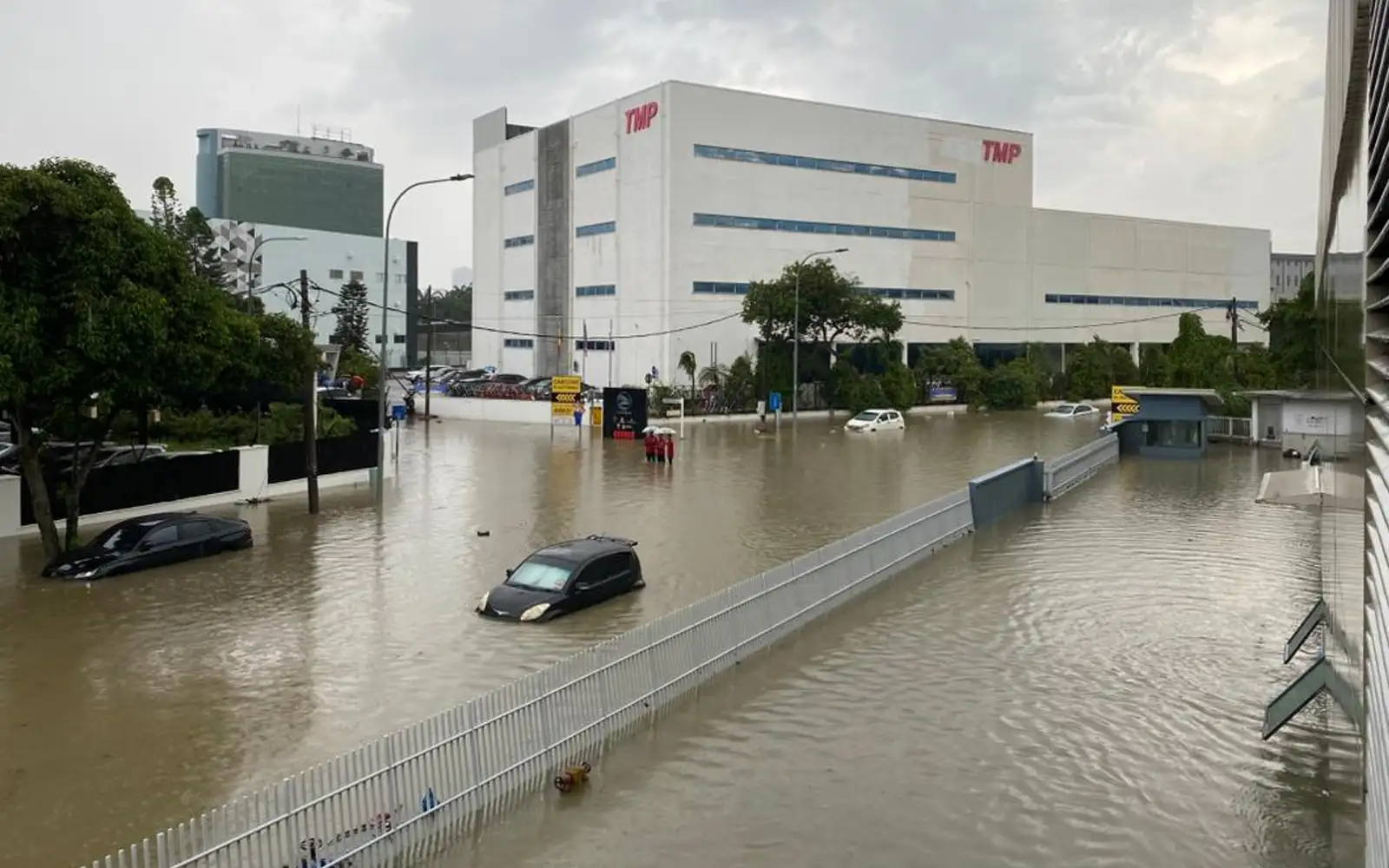
Take Malaysia. In late October 2026, the National Disaster Management Agency (Nadma) issued its thoroughly familiar seasonal reminder: citizens should “stock up sensibly” ahead of the northeast monsoon. The call was a practical, sober reminder to prepare for seasonal flooding—a ritual practiced faithfully every year since the 1990s across Southeast Asia.
Yet, this routine tropical memo collided on the calendar with a broader occidental wave, most notably the UK’s newly minted “Be Ready” campaign, launched under Prime Minister Andy Burnham to encourage multi-year resilience against generic short-term infrastructure glitches or cyberattacks.
When a seasonal flood warning in Kuala Lumpur and an all-hazards resilience campaign in London drop in the exact same fortnight, and more than 30 nations issue similar advisories, digital platforms turn it into a blockbuster movie trailer.
This happened despite every official source emphasizing the exact same thing: the advice was voluntary, gradual, and completely unrelated to any looming apocalypse.
So why are governments suddenly nagging us about emergency kits? Is the world ending? No. But our infrastructure has quietly evolved.
In the old days, if a local transformer blew out,your neighbourhood went dark, and we used a candle until power was restored. Today, because our banking, logistics, communications, and heating rely on digital infrastructure and interconnected power grids, a minor disruption cascades instantly across sectors.
Governments aren’t warning us because war is at the door; they are doing it because hyper-connected societies are inherently fragile to short-term hiccups.
Predictably, human nature did what it always does. In the UK, Malaysia and elsewhere, some took to social media to urge people to stock up on food or actually cleared supermarket shelves of certain items, proving once again that panic is far more infectious than any virus.
They chose to ignore the advice to buy gradually and not panic. So much so that Nadma director-general Meor Ismail Meor Akim felt it necessary to issue a statement saying: “We should avoid such panic-buying messages. Sometimes, panic buying creates another problem, not a northeast monsoon disaster, but a shortage of goods instead. Just buy according to your needs.”
This brings us to the most important distinction of all: the gap between selfish hoarding and civic self-reliance.
When a government tells us to store a 72-hour buffer of water, a torch, and non-perishables, it isn’t inviting us to join a doomsday cult. It is an exercise in decentralised pragmatism.
If households are self-sufficient for three days during a sudden power outage or flash flood, it keeps arterial roads uncluttered and emergency phone lines open for people facing actual life-and-death medical emergencies. And for other such emergencies.
An emergency kit isn’t a survivalist fetish; it’s an act of civic hygiene. It’s the modern equivalent of bringing your own bucket to a neighbourhood fire instead of standing in the street screaming that the town is cursed.
Ultimately, these advisories don’t signal a descent into martial law or long-term catastrophes. They reflect the tedious, necessary business of living in a complex world. Just as learning fire safety or getting vaccinated became the unremarked background noise of twentieth-century life, digital-age resilience is simply the new baseline of modern citizenship.
How should we respond?
We would do well to ignore the merchants of panic—whether they write viral social media threads or sensationalist headlines—and consult sober official sources instead.
By preparing quietly, rationally, and without melodrama, we insulate ourselves against minor tempests while preserving the sanity of the commonwealth at large. After all, if the world truly is coming to an end, panicking in the supermarket checkout queue is a singularly undignified way to greet the final curtain.
The writer can be contacted at [email protected]
The views expressed are those of the writer and do not necessarily reflect those of FMT.
Subscribe to our newsletter and get news delivered to your mailbox.
KioskNews shows a cleaned-up reading view extracted from the publisher’s page — the original always lives on their site, not ours.