26 Years Later, One Stan Lee Quote Has Aged Even Better Than Spider-Man's Most Iconic Line

Nicolas Ayala is a Senior Writer for the Comics team at ScreenRant, with over five years of experience writing about Superhero media, action movies, and TV shows.
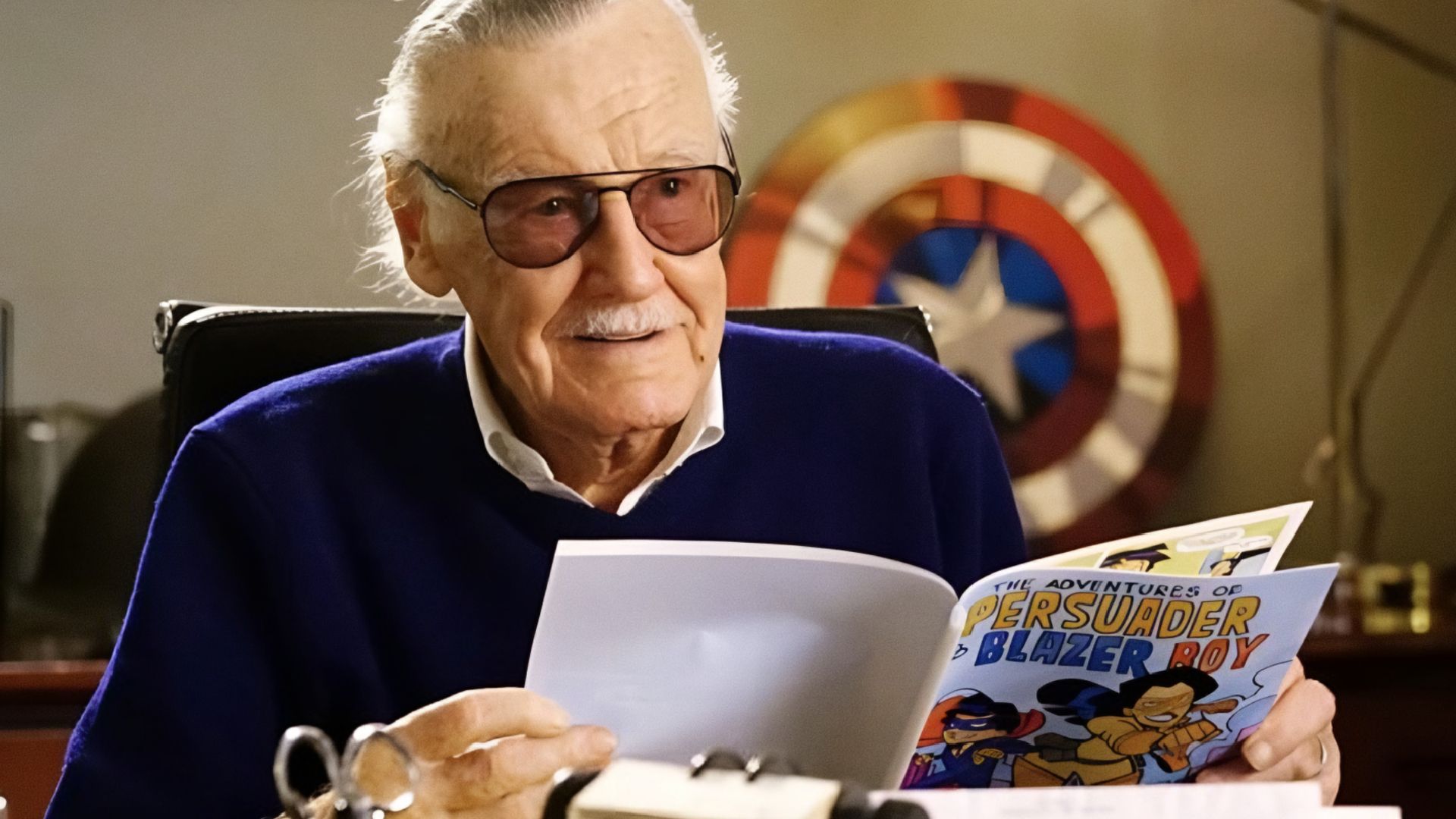
Twenty-six years ago, Stan Lee casually dropped an even better line than his iconic "with great power there must come great responsibility." The phrase "with great power there must also come great responsibility" is the perfect summary for the entire superhero genre. Spider-Man’s guiding maxim subverts the fantasy of power. Instead of fighting crime for personal gratification or the glory of victory, Peter Parker must pay for the powers he was bestowed, constantly facing ethical dilemmas and pushing himself to the limit even when his superhuman abilities fall short and his selfless acts backfire.
Stan Lee made larger-than-life heroes deeply relatable for readers by giving them mundane problems like unpaid rent, sickness, and broken hearts. He championed signature elements like the shared universe, the conversational "Bullpen Bulletins" letters pages, and the famous Marvel Method of storytelling, where artwork is drawn before the script and the dialogue are written. This collaborative approach allowed the Marvel Universe to grow rapidly and transform into the immense web of stories it is today.
Stan Lee also had a knack for witty and wise dialog, which is evident in the way he worded his own thoughts and reflections on superheroes.
Stan Lee's Quote On Non-Superhuman Heroism Is Timeless
Stan Lee's Take On Regular Acts Of Selflessness Is The Basis For The Marvel Universe

The Marvel Universe is filled with superheroes who are famously capable of breaking worlds apart and altering reality across entire universes. However, speaking to the website CyberSpacers.com in the year 2000, Stan Lee pointed out the real meaning of the term "superhero," which perfectly applies to every Marvel hero, from street-level human vigilantes to Omega-level mutants and reality warpers. Stan Lee defines a superhero as "that person who helps others simply because it should or must be done." Virtually every hero in the Marvel Universe would do the right thing even if they didn't have additional abilities to achieve it.
“Another definition of a hero is someone who is concerned about other people’s well-being and will go out of his or her way to help them–even if there is no chance of a reward. That person who helps others simply because it should or must be done, and because it is the right thing to do, is indeed without a doubt, a real superhero.”
Although superhumans, mutants, and vigilantes are the ones who tend to save the world, Stan Lee places heroism squarely within the reach of ordinary people. Everyday acts of kindness and public service are accessible to everyone, regardless of their skills. Lee's quote changes the focus from superhuman capability to human empathy, and it lays the foundations for every Marvel hero's story. Spider-Man, the Avengers, the Fantastic Four, the X-Men, and every other major Marvel hero put all their efforts on helping others for the sake of peace, and not for personal gain.
Stan Lee's Selfless Heroism Quote Is Manifest In The Marvel Universe
Regular Humans Shine In A World Filled With Superheroes

Stan Lee’s definition of a real superhero shines brightest in the ordinary human saviors of the Marvel Universe. Long before Iron Man became a superstar Avenger, it was the selfless sacrifice of the regular human scientist Ho Yinsen that saved Tony Stark's life, sacrificing himself in a cave simply because saving Stark was "the right thing to do." Likewise, Uncle Ben’s life lessons to Peter Parker prior to his death shaped Spider-Man into the world's most beloved hero, and Rick Jones repeatedly proved his worth as a hero long before he first joined his friends as a vigilante, a superhuman, a gamma mutate, and even a symbiote host.
Even the abrasive J. Jonah Jameson, for all his flaws, has occasionally left his hatred toward Spider-Man aside to help the wall-crawler, the X-Men, and the Avengers. Meanwhile, Thor's human persona Donald Blake was explicitly a lesson in powerless heroism, as it forced Thor to understand the nobility of saving lives using medicine and humility rather than brute force. Other heroes permanently put their lives on the line despite their vulnerabilities. Daredevil protects Hell's Kitchen through sheer grit and a devotion to justice, the Punisher wages a brutal war against crime, and Nick Fury often leads the Earth's Mightiest Heroes with nothing but his intellect and tactical mind.
What's your favorite quote from Stan Lee?
Discover the latest news and filmography for Stan Lee, known for Spider-Man and The Avengers.
KioskNews shows a cleaned-up reading view extracted from the publisher’s page — the original always lives on their site, not ours.