Bangladesh garment factories said to reopen amid wage protests
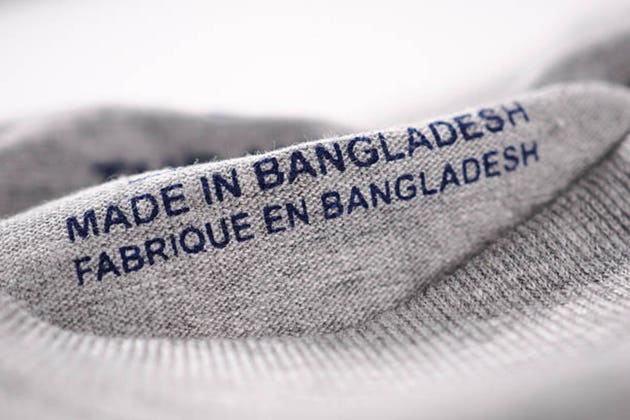
towfiqu ahamed/iStock via Getty Images
Garment factories in Bangladesh reopened on Monday, Reuters reported, after workers' protests for higher wages prompted closures and disrupted production over the weekend.
Workers took to the streets to demand a minimum monthly wage of 30,000 taka ($241), up from the current 12,500 taka (~$101), amid rising living costs and inflation.
Around 500 garment factories were temporarily shuttered over the weekend because of the protests, while police used tear gas and water cannon to disperse protesters.
The Bangladeshi government set up a wage board on Sunday to review the workers' demand. The board is tasked with recommending revised wage rates following a review.
"We expect workers to allow the review process to proceed," Mahmud Hasan Khan, president of the Bangladesh Garment Manufacturers and Exporters Association, told Reuters. "If protests break out later and we are forced to shut factories, we will have no option but to invoke the 'no work, no pay' provision."
Khan added that industry representatives will meet the home minister to discuss the protests, which are still ongoing as of Monday. The BGMEA said prolonged unrest could delay export shipments.
Garment factory owners are already struggling with soaring costs, energy shortages and slowing demand. "If factory owners can't pay workers properly, they should negotiate better prices with international buyers," said Babul Akhter, general secretary, Bangladesh Garment and Industrial Workers Federation.
Bangladesh is the world's second-largest apparel exporter after China. More than 150 countries import ready-made garments from Bangladesh, led by the European Union and the U.S.
The ready-made garment industry employs around 4M workers, accounts for over 80% of Bangladesh's total export earnings and contributes about 10% to the country's GDP.
Retailers and clothing brands that source garments from Bangladesh include Walmart (WMT), Target (TGT), Gap (GAP), H&M (HNNMY) and PVH (PVH).
KioskNews shows a cleaned-up reading view extracted from the publisher’s page — the original always lives on their site, not ours.