Rapper Ja Rule comes to Tel Aviv, speaks on legacy, aging, and Tupac-Biggie row - interview
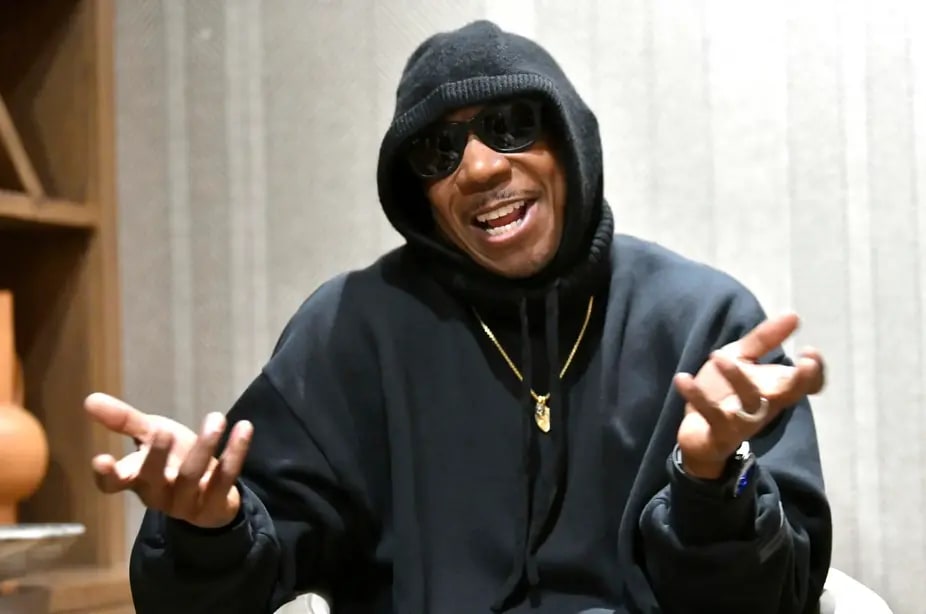
Hip-hop legend Ja Rule rolled into his hotel press room heavily bundled up but radiating energy, topped with a hat and dark sunglasses that masked half his face. His most defining feature, however, remained a massive, unmistakable smile.
Fresh off his flight, he laughed and admitted his entire journey to Israel was spent binge-watching Marvel series and running through a massive Batman marathon.
The 50-year-old rapper, who was in the country last week for his highly anticipated headline performance at Hangar 11 on Thursday, cuts a completely different figure today than the fiery icon of the early 2000s. He is now a settled family man and a doting grandfather navigating the relentless ticking of the clock, eyeing what comes next for his career and his family.
In an intimate conversation last week, Ja Rule opened up about the emotional weight of aging, finding renewed artistic fire at a titan’s funeral, and his firsthand memory of the moment the East Coast-West Coast rap war became deeply personal.
For Ja Rule, hitting the stage these days is about taking his audience on a profound journey.
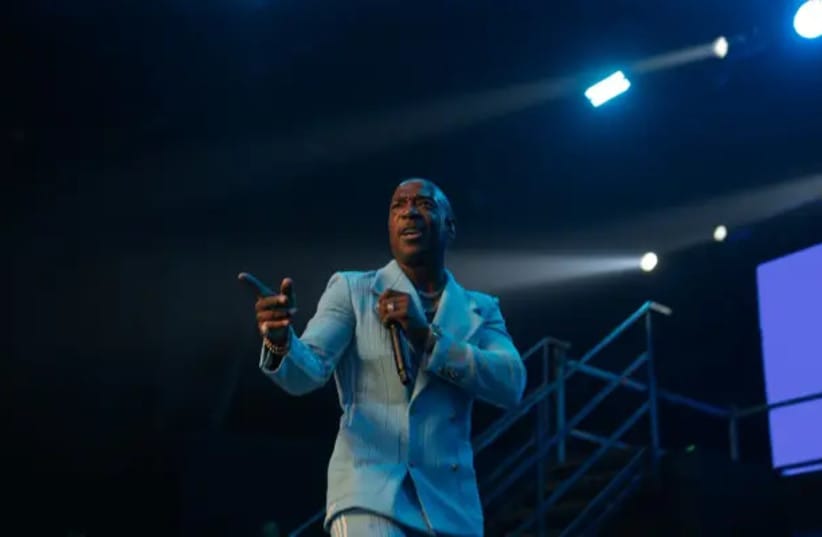
Ja Rule performs live in Tel Aviv
“If you’ve never seen me perform live, you’re in for a treat,” he noted when discussing his approach to touring. “There’s a lot of energy. I like to take my audience on what I call an emotional rollercoaster – ups and downs. So, we’re going to dance, and we might even shed a few tears.”
Traveling to the region during a tense climate might deter some, but for Ja Rule, the decision came down to community and celebration.
“I came to celebrate and enjoy myself,” he explained. “I have many friends with ties to Israel – lots of good friends. So, I asked them, ‘Is it okay to come here? Is everything alright?’ And they said, ‘Yeah, absolutely.’ And here we are.”
As Ja Rule looks toward the future, the realities of time and legacy are heavy on his mind, catalyzed by his young granddaughter, Bella. Mentioning her instantly transforms his expression. Early reports suggested he wanted Bella to call him “Big Poppa” in a nod to the Notorious B.I.G., but the veteran rapper has since softened his stance.
“Yeah, you know, I think I’ve kind of walked back that idea a bit,” he chuckled. “I mean, I’m 50 now, so it really doesn’t matter to me what Bella decides to call me. It’s all good by me. Whether it’s ‘Grandpa,’ ‘Gramps,’ ‘Big Papa,’ or any other funny names she might come up with, it’s all fine. She actually just turned six months old today.”
Becoming a grandfather has naturally forced a career re-evaluation and a new perspective on how he will spend his coming years. Reflecting on his past, Ja Rule admits his hustle came at a cost.
“Back when my own kids were small, I was constantly on the move – I was working so much,” he said. “So, as they grew up, I still wanted them to see their dad doing what he does. I’m not sure if Bella will get to see that. I’m 50, so by the time she’s old enough, I’ll likely be in my 60s.”
“Still very young, for sure,” he added. “But yeah, I’m not certain if I’ll keep working as hard as I do now, even at 50. Then again, you never know. You just never know.”
A trip to the funeral of music industry titan Clive Davis completely disrupted Ja Rule’s thoughts on retirement and shaped how he views his next chapter. Sitting in the pews, he initially found himself craving a slower pace.
“I learned a lot there. I left feeling truly inspired,” he reflected. “The people who got up to speak talked about how stubborn and determined [Clive] was, and how he was still talking about releasing music ... a few weeks before he passed away.
“In other words, he remained the same person until the day he died. And I’m sitting there in the audience, I’m 50 years old, thinking to myself that perhaps it’s time to slow down a bit and spend more time with my children and grandchildren.”
But the narrative shifted entirely when Alicia Keys stepped up to pay tribute.
“She shared how, at the age of 67 – after being let go from his job – he simply got up and started all over again. He discovered her, as well as [R&B singer] Mario, and all those other great artists,” Ja Rule said, his voice tightening with reverence. “And at that moment, I realized I wasn’t done yet.”
Seismic era
Ja Rule’s entry into hip-hop coincided with the genre’s most seismic and tragic era, placing him on the East Coast circuit just as the feud between Tupac Shakur and Biggie Smalls reached its boiling point. While the bad blood simmered with Biggie’s “Who Shot Ya,” it shattered all boundaries when Tupac unleashed the famously vicious diss track, “Hit ‘Em Up.”
Ja Rule happened to be in the room the exact moment Biggie first experienced the track, a memory that continues to shape his perspective on the vulnerability of the genre’s biggest icons.
“We were at a music video shoot, so all of us were there,” Ja Rule recalled. “Lil’ Cease walked in with the disc or the tape – I don’t remember exactly which. The tension was high, because it was personal. I think that moment was deeply personal for him; he dealt with it the way he did because he was a very sensitive person.”
With recent landmark convictions finally breathing new life into the Tupac murder case, Ja Rule remains hopeful that the same closure will eventually find Biggie’s family as the culture moves forward into a more accountable future.
“Yeah, you know, you always want justice when someone dies so young. They were both massive figures in hip-hop,” he said quietly. “And the fact that we’re only just beginning to understand what really happened on those fateful, deadly nights ... that says a lot, even without stating it explicitly, about how hip-hop is viewed.”
When asked if he genuinely believes Biggie’s murder case will finally be solved or officially reopened in the wake of recent legal breakthroughs, the veteran’s answer was simple and fiercely protective of the culture’s legacy: “I really hope so. Yes, I really hope so.”
Review: A euphoric escape
When Ja Rule finally took the stage at Hangar 11, he delivered exactly what an exhausted, highly expectant crowd needed: a portal back 20 years.
Arriving just hours after the final vote counts concluded in the 2026 elections, the audience had one clear goal in mind: to dance and escape the country’s current political and social quagmire. Despite a long delay stretched out by far too many opening acts, the crowd’s devotion never wavered.
Throughout the energetic set, Ja Rule masterfully commanded the room with his signature raspy voice. Singing short snippets of his catalog and paying homage to his formative ’90s influences, he would occasionally pause to ask, “Tel Aviv, What’s happening?”
The choice of phrase perfectly bridged a nostalgic echo of his breakout era with the anxious, collective question Israelis have been asking themselves daily. He didn’t pander or try to artificially adapt his style; instead, he relied on music as a universal language to sweep the venue away.
Ultimately, the night dissolved into a rare, unfeigned euphoria. While hip-hop is heavily associated with political protest, its origins remain rooted in the dance clubs as a medium giving raw expression to the body. The collective movement of the crowd served, first and foremost, as a plea for liberation.
Ja Rule came to Tel Aviv to check in on the culture, helping an eager audience dance and shake off their pent-up energy before landing back on the ground of reality.
KioskNews shows a cleaned-up reading view extracted from the publisher’s page — the original always lives on their site, not ours.