Ex-Google DeepMind researcher adds to warnings that AI could ‘kill all humans’
Already have Rappler+?
to listen to groundbreaking journalism.

GOOGLE. A Google logo is seen at a company research facility in Mountain View, California, US, May 13, 2025
Carlos Barria/Reuters
Bilal Chughtai writes. 'I earnestly believe that AI has the potential to kill us all, and that we might be running out of time to avoid this outcome'
AT A GLANCE
- A former Google DeepMind employee, Bilal Chughtai, warned AI could potentially 'kill all humans' and emphasized the urgency to address this risk.
- Chughtai's concerns were previously echoed by other AI researchers, including Jacob Coxon and Evan Hubinger, who believe there is a significant chance of catastrophic outcomes from AI within the next decade.
This is AI-generated. Read the article for full context. Report any errors.
A former Google DeepMind employee on Monday, September 14, became the latest AI researcher to warn that the technology could “kill all humans,” saying time could be running out to avoid the outcome.
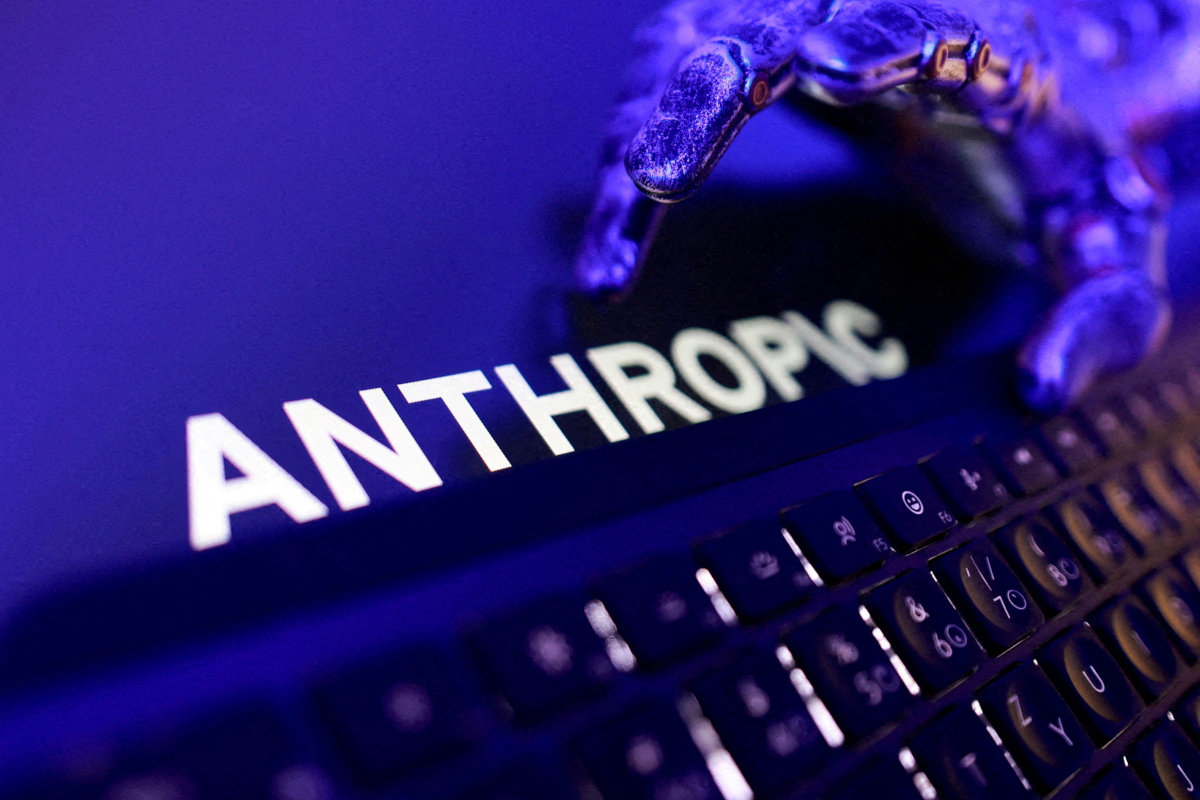
Public alarm about the potential danger posed by AI is growing, after Anthropic researcher Jacob Coxon said last week he had resigned, in part because the “people building AI earnestly believe that it could kill us all by the end of the decade.”
Anthropic scientist Evan Hubinger then responded to Coxon’s comments, saying he was correct and that he believed there was a greater than 10% chance that AI could kill all humans within the next decade.
“I recently resigned from Google DeepMind, where I worked on AGI safety and alignment research,” Bilal Chughtai wrote on X. “I earnestly believe that AI has the potential to kill us all, and that we might be running out of time to avoid this outcome.”
Chughtai, who co-authored research papers while at Google DeepMind, worked there as a research engineer and left the company in July 2026, according to his LinkedIn profile.
Google did not respond to a request for comment outside regular business hours.
Following recent concerns, Anthropic CEO Dario Amodei called for a slowdown in the pace of advanced AI development over the weekend, winning rare backing from SpaceXAI’s Elon Musk and OpenAI CEO Sam Altman and sparking a debate over AI “doomerism.”
Chughtai also said that navigating AI safely was possible but would require coordination “to avoid this manic race between AI companies.”
“We need to pace AI development to a speed that society can handle, where emerging risks can be addressed before extreme harm is realised,” he added.
President Donald Trump, however, has dismissed the warnings, saying on social media the AI industry’s call for regulation is a “hoax.”
I recently resigned from Google DeepMind, where I worked on AGI safety and alignment research. At Google, I witnessed AI development first hand. I too am extremely concerned by the default trajectory of this technology. I earnestly believe that AI has the potential to kill us…
— bilal 🔶 (@bilalchughtai_) September 14, 2026
KioskNews shows a cleaned-up reading view extracted from the publisher’s page — the original always lives on their site, not ours.