ENGLISH DIGEST 實用美語(空中美語)
Why we follow the crowd: Understanding the bandwagon effect 為什麼我們都愛跟風?認識從眾效應
Have you ever bought a product simply because everyone around you seemed to own one? Or have you ever supported an idea after seeing many classmates agree with it? If so, you have experienced the bandwagon effect, a psychological phenomenon in which people adopt certain behaviors, attitudes, or beliefs because others are doing the same.
The term originates from 19th-century American politics. Campaign managers would hire a bandwagon, a decorated wagon carrying musicians, to parade through towns, attracting crowds and signaling popular support. Over time, “jumping on the bandwagon” came to mean following whatever was fashionable or popular.
At its core, the bandwagon effect is driven by conformity and social pressure. Humans are inherently social creatures who seek acceptance and fear exclusion. In psychologist Solomon Asch’s well-known conformity experiments, about 75% of participants gave an obviously wrong answer at least once, simply to align with the group. The results showed how easily people may doubt their own judgment when surrounded by a confident majority. When we observe that a large number of people favor something, we tend to assume it must be correct or worthwhile. This assumption, however, is logically flawed. Popularity does not equal quality or truth.
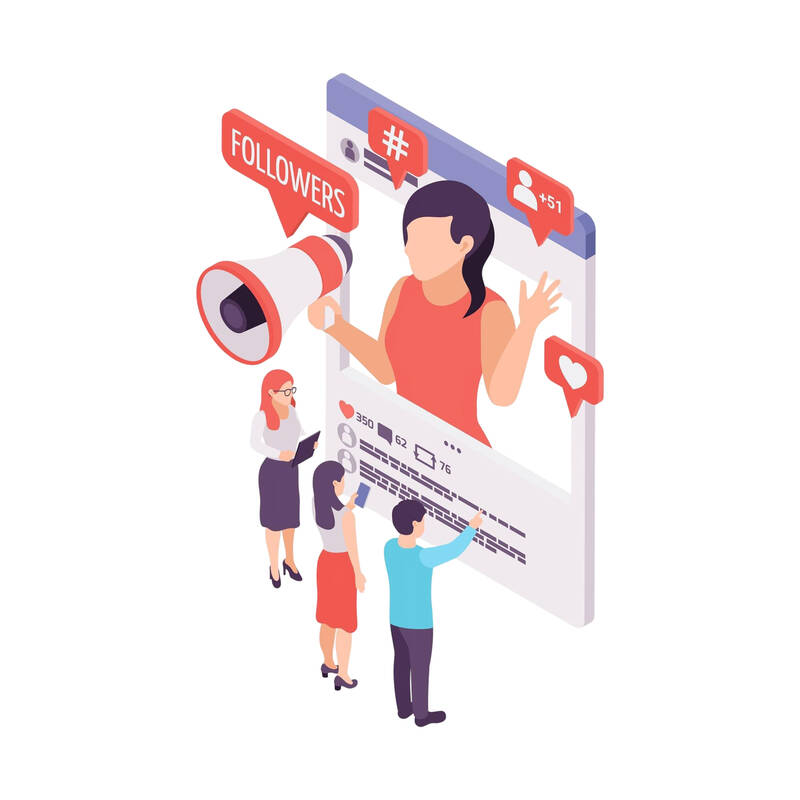
Photo courtesy of Wikimedia Commons / 照片:維基共享資源提供
The consequences of this bias can be significant. In financial markets, it contributes to speculative bubbles, as investors rush to buy assets simply because prices are rising. In politics, polling data can sway undecided voters toward the leading candidate, making election outcomes partially self-fulfilling. In everyday consumer culture, trends spread rapidly through social media, convincing millions to purchase items they may not genuinely need. A product may appear more attractive simply because influencers, friends, or online reviews make it seem widely approved.
Resisting the bandwagon effect requires conscious effort. Before making a decision, pause and ask yourself: am I making this choice based on evidence and personal values, or am I simply following the crowd?
你是否曾經只是因為身邊所有人似乎都有某樣商品而跟著購買它?又或者你是否曾經在看到許多同學都贊同某個想法後也開始支持它?如果有,那麼你已經體驗過「從眾效應」了,這是一種心理現象,指人們因為其他人都在做同樣的事,而採納某些行為、態度或信念。
「從眾效應」一詞源自十九世紀的美國政治。當時,競選經理會雇用一輛花車(也就是載著樂手裝飾馬車)在城鎮中遊行,以吸引群眾並展現廣泛支持。久而久之,「跳上花車」逐漸演變成追隨流行或熱門事物的意思。
從根本上來說,從眾效應是受到順從心理與社會壓力驅動。人類天生是群居動物,渴望被接納且害怕被排斥。在心理學家所羅門·阿希著名的從眾實驗中,大約有75%的參與者至少曾經一次給出明顯錯誤的答案,只是為了與團體保持一致。實驗結果顯示,當被充滿自信的多數人包圍時,人們是多麼容易懷疑自己的判斷。當我們觀察到大量的人偏好某件事物時,往往會假設它必定是正確或具有價值的。然而,這樣的假設在邏輯上存在謬誤。受歡迎並不等於品質或真理。
這種偏見所造成的後果可能相當嚴重。在金融市場中,它會助長投機泡沫的形成,因為投資人僅僅看到價格上漲便爭相買進資產。在政治領域中,民調數據可能促使搖擺選民傾向於支持領先的候選人,導致選舉結果在某種程度上成為自我實現的預言。在日常消費文化中,潮流則透過社群媒體迅速傳播,說服數百萬人購買自己其實未必真正需要的商品。某項產品之所以看似更具吸引力,可能只是因為網紅、朋友或網路評論讓它看起來廣受好評。
要抵抗從眾效應需要有意識地付出努力。在做出決定之前,暫停片刻並自問:我是根據證據與個人價值觀來做出這個選擇,還是我只是單純地跟隨大眾的腳步?
Key Vocabulary
1. psychological adj. 心理的
It’s believed that stuttering has something to do with psychological factors such as anxiety or lack of confidence.
一般認為,口吃與焦慮或缺乏自信等心理因素有關。
2. adopt v. 採用;收養
Parents sometimes adopt different strategies to help children learn effectively.父母有時會採用不同策略來幫助孩子有效學習。
3. exclusion n. 排除
Travel insurance often has exclusions for extreme sports like skydiving or bungee jumping.
旅遊保險通常不承保高空跳傘或高空彈跳等極限運動。
4. align v. (使)一致;使成一直線 align with 和……一致
New policies should align with international environmental standards.
新政策應與國際環境標準保持一致。
5. popularity n. 普及;受歡迎;流行
The president’s popularity has declined significantly since he took office three months ago.
自總統三個月前就職以來,其支持率明顯下降。
6. investor n. 投資者
To many investors’ dismay, stock markets around the world plunged yesterday.
令許多投資人沮喪的是,全球股市在昨天暴跌。
7. candidate n. 候選人
This candidate wants to appear intelligent, but his comments show only a superficial understanding of the issues.
這位候選人想要看起來有才智,然而他的評論顯示他對這些議題只有膚淺的了解。
8. convince v. 說服;使相信 convince sb. to V 說服某人……
Leo was reluctant at first, but his friends finally convinced him to go camping with them.
里歐一開始不願意,但他的朋友最後說服他跟他們去露營。
9. purchase v. 購買
Before the storm, the family went to the store to purchase supplies.
暴風雨來臨前,這家人到商店購買補給品。
MORE INFORMATION
bandwagon n. 樂隊花車(引申為「熱潮、時尚」)
speculative bubble 投機泡沫;經濟泡沫
conformity n. 從眾;遵從
self-fulfilling adj. 自我實現的
influencer n. 網紅
空中美語APP+︰全新AI學習,限時免費!(學習音檔) https://www.english4u.net/qr/app.html
KioskNews shows a cleaned-up reading view extracted from the publisher’s page — the original always lives on their site, not ours.