Beans, baldness and the search for Mexico’s secret to great hair
The male ego is a peculiar thing. It can allegedly survive any number of abasements, including discovering that your ex’s new boyfriend can assemble an IKEA wardrobe without cursing all of Sweden and fit a duvet cover with NATO only on standby.
According to clinical psychologist Dr. Roberto Olivardia, the male ego’s fragile architecture is currently built around jawlines.

Wait, what? Men are far more complex.
What about hair?
Hair. Say it aloud: “Hair.” A gentle, harmless little word, its H barely more than a polite puff of air. The sort that ought to come wearing a tiny Abercrombie cardigan with a Sally Rooney novel tucked under its arm.
Yet hair carries an absurd amount of identity. And envy. Mostly envy, at least for me.
Meanwhile, men across Mexico appear to wander beneath apocalyptically luxurious mops. Glossy. Abundant. The sort you could confidently leave your child beneath during a hurricane.

Then there is Sergio “Checo” Pérez, who has spent years cramming his noggin into a Formula One helmet and still emerges looking better than I do after 45 minutes alone with a mirror and a bagful of expensive products. I consider this a personal attack.
But perhaps the interesting question is not whether Mexican men lose less hair. It is whether they approach losing it differently.
A different approach in the barbershop
Ángel, my former landlord in Campeche, trained as a young man in his uncle’s barbershop. He recalls customers being more interested in achieving a modern, clean-cut look than in asking the barber to conceal a receding hairline or bald patch.
Nor was hair loss a regular topic among his male friends. That doesn’t mean nobody worried about it, only that in his experience, it took up less space in their heads than it does on mine.
His cousin Gael, a barber in Tucson, Ariz., encountered something different. Ángel recalls middle-aged white American customers often asking him to minimize signs of recession. Rather than attempt an elaborate cover-up, Gael worked with the retreat: short sides and texture on top. The objective was to make the recession look intentional.
This is the sort of emotional maturity I admire in other men and cannot muster myself. I simply want an honest, hardworking mop. Hair that, when asked to cover the crown, does not down tools and go for an early lunch.
Ángel, who still sports a splendid head of hair, offered another explanation for Mexico’s apparent follicular advantage: beans. Specifically, the vast quantities his compatriots consume from childhood.
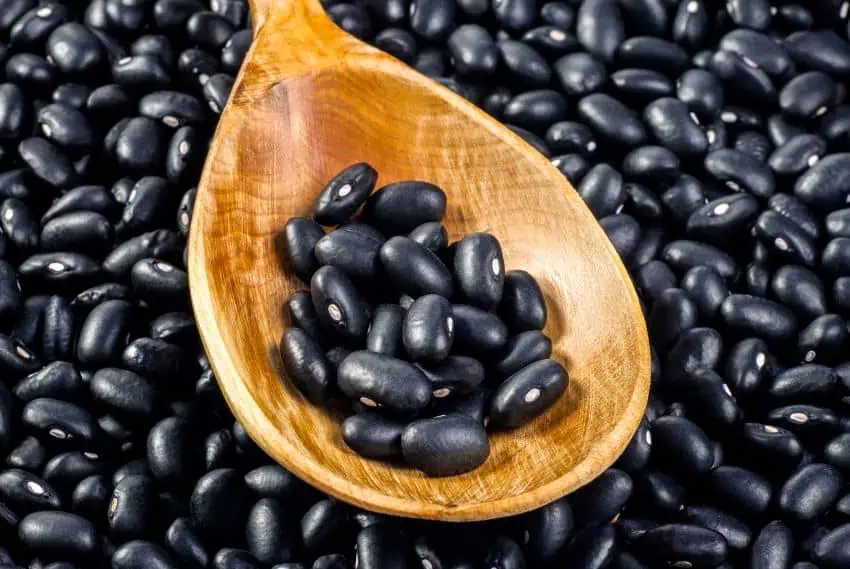
Peer-reviewed? Hardly. But it was the first theory that allowed me to tackle male-pattern baldness with a shopping list.
The genetics behind thicker strands
Then an actual scientist stepped in.
According to geneticist Dr. Yana Kamberov, an associate professor at the University of Pennsylvania, a genetic variant called EDAR370A, inherited from Indigenous American ancestors, contributes to thicker, straighter hair in some Mexicans.
Human studies associate the variant with those characteristics. Kamberov also induced the mutation in mice and found it was enough to thicken their hair. Essentially, the variant arose in an ancient population and spread into the Americas through migration.
So my ridiculous observation may contain a tiny follicle of truth. But it cannot be stretched into a single Mexican hair type. Mexico’s population and migratory history are enormously diverse, and not every Mexican man possesses those characteristics, however aggressively my scalp insists otherwise.
Ancient hairstyles and warrior status
My historical theory proved equally complicated.
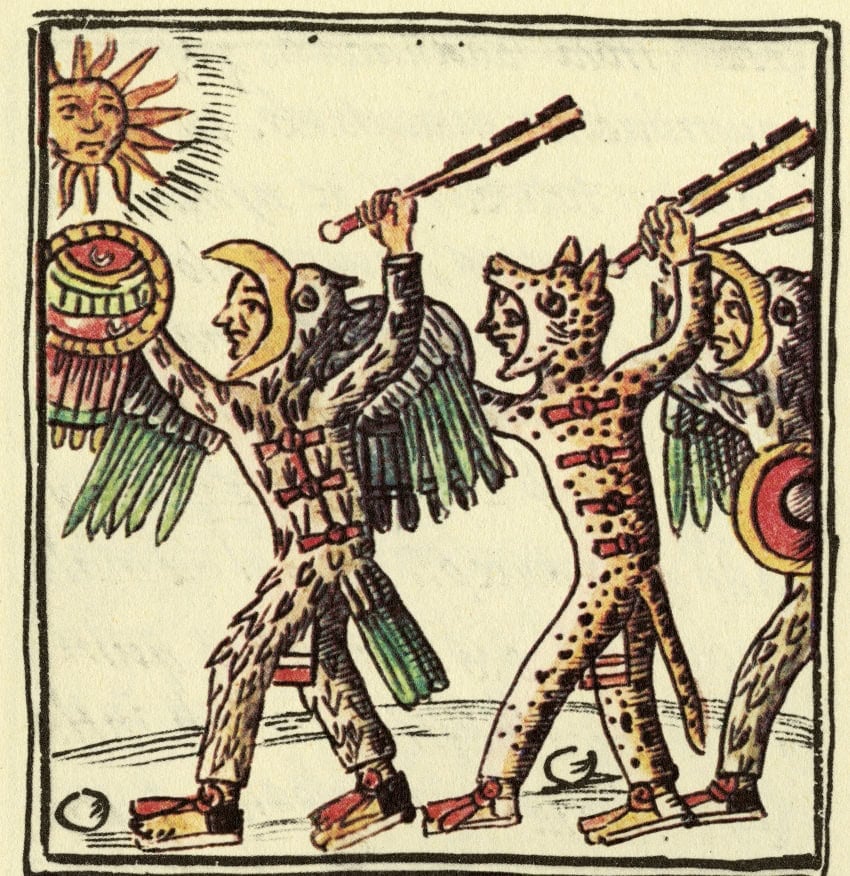
After doing some cursory research, I learned that Mexica warriors may have believed hair contained their courage or masculine vitality. Professor Caroline Dodds Pennock of the University of Sheffield in the U.K. corrected me.
“The ‘tonalli’ was one of three spirits the Mexica believed existed in the body. A warm life force located in the head and linked to personality and destiny, it could adhere to hair or nails after they were cut.
“When a warrior retained a captive’s warrior lock,” Dodds Pennock explained, “he took a piece of the captive’s tonalli, effectively increasing his own life force, reputation and status. Hair also signaled rank. Commoners wore theirs short; particular warriors had distinctive hairstyles; and priests never cut theirs, partly to concentrate the tonalli required by their sacred role.”
So a Mexica hairstyle was essentially an ancient LinkedIn profile, except the endorsements came in the form of a captive’s warrior lock and the skills section leaned heavily toward “ritual violence.”
Sounds cool to me, though I suspect my own hairline would’ve struggled to secure an entry-level position.
Anyway, Mexico may not have been awarded all the hair in the world. Genetics might explain those lusher strands I envy, just as culture might explain different attitudes toward balding. Still, my deep dive has yielded remarkably little beyond a habit of staring resentfully at strangers.
Ángel’s bean theory? Totally unproven. Pending further research, I’ll have mine with extra salsa.
KioskNews shows a cleaned-up reading view extracted from the publisher’s page — the original always lives on their site, not ours.