PM Modi, Nepal’s Balen Shah to hold talks on Monday; likely to inaugurate Ayodhya-Janakpur train, other key projects
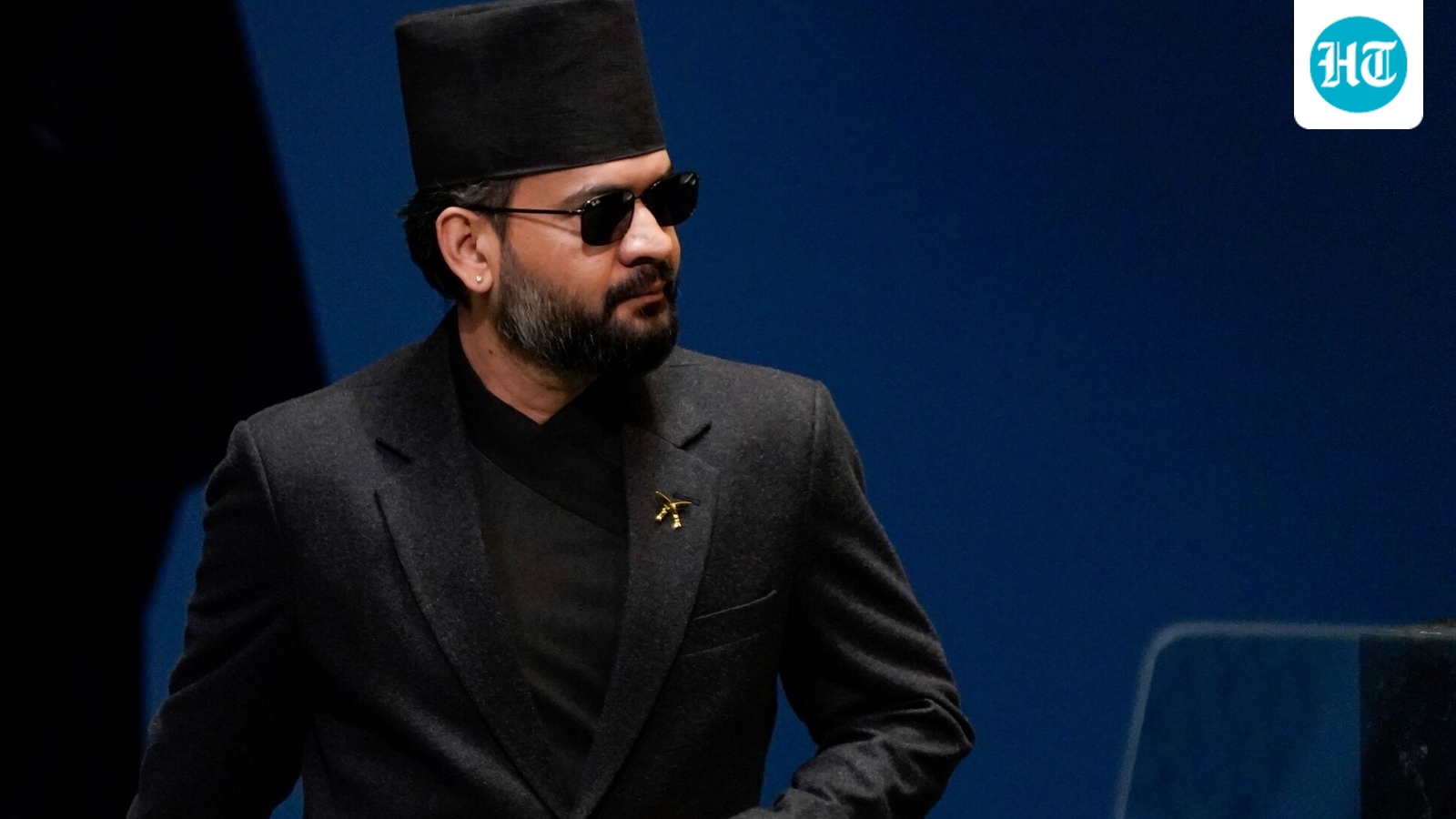
Nepal Prime Minister Balendra Shah on Sunday began his first visit to India, during which the two sides are looking to reset the overall relationship and conclude agreements to deepen cooperation in areas such as energy, connectivity, railways, infrastructure, technology, human resource development and climate change.
This is also Shah’s first bilateral foreign visit, reflecting the importance attached by both sides to their ties, and his talks with Prime Minister Narendra Modi on Monday are expected to provide political direction for charting the course for the bilateral partnership for the coming years, and explore new avenues of cooperation.
Shah, 36, was received on his arrival in New Delhi by minister of state for commerce Jitin Prasada, and his first official engagement was a meeting with external affairs minister S Jaishankar, who said on social media that India “cherishes the special friendship” with Nepal. The Nepal Prime Minister’s Office said they discussed aspects of bilateral ties, especially cooperation in connectivity, trade, transit, commerce, energy, culture, education and people-to-people ties.
ALSO READ: $2 billion economic package, meeting with Modi on agenda as Nepal PM Balen Shah visits India today
While Modi and Shah have interacted over phone and exchanged social messages, their first in-person meeting on Monday will set the stage for a much-needed reset in the relationship following the Gen Z uprising in 2025 that unseated KP Sharma Oli’s government and led to the rapper-turned-politician and a younger generation of leaders from the Rastriya Swatantra Party (RSP).
The two PMs will virtually inaugurate India-backed connectivity and energy initiatives that have been completed and lay foundation stones for some new projects, people familiar with the matter said. Several “forward-looking” agreements and understandings in different areas will also be concluded, they said.
The major outcomes are expected to be in areas such as development cooperation, hydropower, connectivity, railways, climate change, disaster resilience, infrastructure, and technology, and a rail link between Ayodhya and Janakpur is also expected to be unveiled.
Shah’s visit comes at an opportune time as there is considerable synergy between the national priorities of India and Nepal in terms of economic growth, social development, infrastructure expansion, adoption of technology, and addressing challenges such as natural disasters and climate change, the people said. The discussions between Modi and Shah will provide political direction for charting the future of the bilateral relationship over the coming years, they said.
While the Indian side has proposed a joint vision for the long-term development of bilateral ties, the Nepalese side has sought a $2-billion economic package, including $1 billion in grants and aid for reconstruction of areas devastated by the Bhote Koshi flash floods in August. Nepal has also asked for the Kathmandu-Mahendranagar air corridor to be made two-way. International flights are currently permitted only to leave Nepal via this route.
Shah is accompanied by a 35-member delegation that includes foreign minister Shishir Khanal, finance minister Swarnim Wagle, several senior advisers to the PM, and business representatives. The Nepal-India Business Forum will be held during the visit, during which Shah is expected to seek more investments from India.
India and Nepal share a unique and comprehensive relationship characterised by open borders, mutual trust, shared traditions and close people-to-people ties. They also have more than 40 bilateral institutional mechanisms to advance cooperation in different sectors.
India is Nepal’s largest trade, transit and investment partner. Nepal enjoys duty-free access to Indian markets, while India is also the country’s biggest export destination and receives almost 80 per cent of Nepal’s exports. India is the largest source of foreign investment in Nepal, accounting for almost a third of the total FDI.
The Indian side has implemented more than 600 high impact community development projects, worth more than Nepali ₹1,662 crores, across 74 districts of Nepal. Major connectivity projects include cross-border railway lines, a petroleum product pipeline, and integrated check posts.
Besides providing support after the Gorkha earthquake of 2015 that resulted in the reconstruction of 50,000 houses, 71 educational projects and 128 health facilities, India provided humanitarian assistance and disaster relief after the flash floods in August this year, including 140 tonnes of emergency supplies.
KioskNews shows a cleaned-up reading view extracted from the publisher’s page — the original always lives on their site, not ours.