Do we really ‘hold tension’ in our hips?
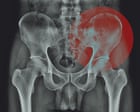
In yoga classes, on TikTok and throughout other wellness spaces, you’ve probably heard the saying: your hips hold tension. These joints have a reputation of being emotional storage units of sorts – but is it true that they are affected by old traumas and painful memories?
Pain and muscle tension hit harder when you’re going through a difficult time. But should tight hips make you question your mental health? And what can you do to reduce hip tightness? Here’s what you need to know.
Is there a connection between stress and hip tension?
When you sense muscle tension in your body, it’s probably caused by one of two things.
The first possibility is not clearly related to stress and involves muscles resisting stretch even when they’re relaxed. Stiffness like this is a mechanical property that reflects how your tissues are built and used.
The other possibility is that your muscles and nerves are engaged in some low-level activity more often than they need to be; this does often happen when people are under psychological stress.
Neither of these causes map cleanly on to what people actually feel, nor the anatomical location of the problem. For instance, when people refer to “tight hips”, they may be feeling pain, an unwanted pulling sensation or stiffness – and the sensation may be coming from the buttocks or the back rather than the hip.
But there is no particular predisposition for a stress-tightness link in the hips. In fact, the evidence linking mental strain with musculoskeletal tension is strongest for the muscles of the shoulders, jaw and pelvic floor. “There’s nothing special about the hip,” says Greg Lehman, a physiotherapist, chiropractor and biomechanics expert who teaches clinicians about pain science.
People who have experienced trauma, especially in childhood, are more likely to have chronic pain and tend to be more sensitive to pain in lab tests. But again, there’s no evidence this is more true for the hips.
What else can cause hip discomfort?
Unpleasant sensations in the joint can arise from anatomical issues. For example, people with very shallow or very deep hip sockets tend to have more pain, says Abby Cheng, a sports medicine doctor who specializes in hip disorders at Washington University School of Medicine in St Louis.
Another anatomical cause is irritation in the tendons or their fluid-filled cushions on the outside the hip, called tendinitis or bursitis. It’s especially common in middle-aged and older women.
Other causes are harder to pinpoint. Cheng and other clinicians believe that hip and back pain can be caused by muscles in the front of the hip that are shortened by sitting, as well as other imbalances in muscle strength and length. Having said that, studies haven’t conclusively linked short hip muscles to pain, and many other factors that accompany a sedentary lifestyle may contribute to hip discomfort in desk workers, says Lehman.
Overall health may factor into hip discomfort. An anatomical problem can “nudge up your chance of having pain”, says Lehman, but stress, poor sleep, inactivity and anxiety often tip it over.
Furthermore, how tight your muscles feel doesn’t reliably predict how tight they actually are. Lehman sees it in the clinic: dancers complain of tight hamstrings, “and their foot is behind their head”.
after newsletter promotion
What can you do about tight hips?
Start by moving more. If walking, gentle stretching and other exercise eases the tightness; it’s probably muscular and nothing dangerous, says Cheng. In these situations, she says, “motion is lotion”.
Don’t stretch too aggressively, though. It’s possible to stretch too much, says Cheng, and going beyond the gentle range can hurt more than it helps, especially if your hip discomfort is related to hip socket depth. In that scenario, she says, “you’re really just banging two bones into each other.”
Get regular aerobic exercise, and strength-train at least twice a week. For people with hip discomfort, Cheng focuses on glute-strengthening moves like clamshells and “monster walks”. These may help by increasing your hips’ ability to tolerate use, and they may also help you age better: in older adults, strength training increases bone density in the hip, which lowers the risk of a dangerous hip fracture.
Take steps to improve your health more broadly, which Lehman says can reduce your sensitivity to pain. Anything that makes you healthier helps, including meaningful activities and time with friends, he says.
When should you see a clinician?
Get help if hip tightness doesn’t improve with more movement or gets worse the more you move, says Cheng. Look for a clinician who examines your whole body and asks about your stress and sleep.
X-rays and MRIs can occasionally clarify the cause of your symptoms, but both experts said imaging typically doesn’t indicate where you hurt or point to the source of your discomfort. Structure is “not irrelevant, but it’s not destiny”, says Lehman.
If discomfort lingers despite your best efforts, try to make peace with it. “It’s OK to look for a fix, but sometimes accepting some pain is easier,” says Lehman. “And then the irony is, it helps.”
KioskNews shows a cleaned-up reading view extracted from the publisher’s page — the original always lives on their site, not ours.