Mapped: What you need to save for Your First Home deposit in each region of England
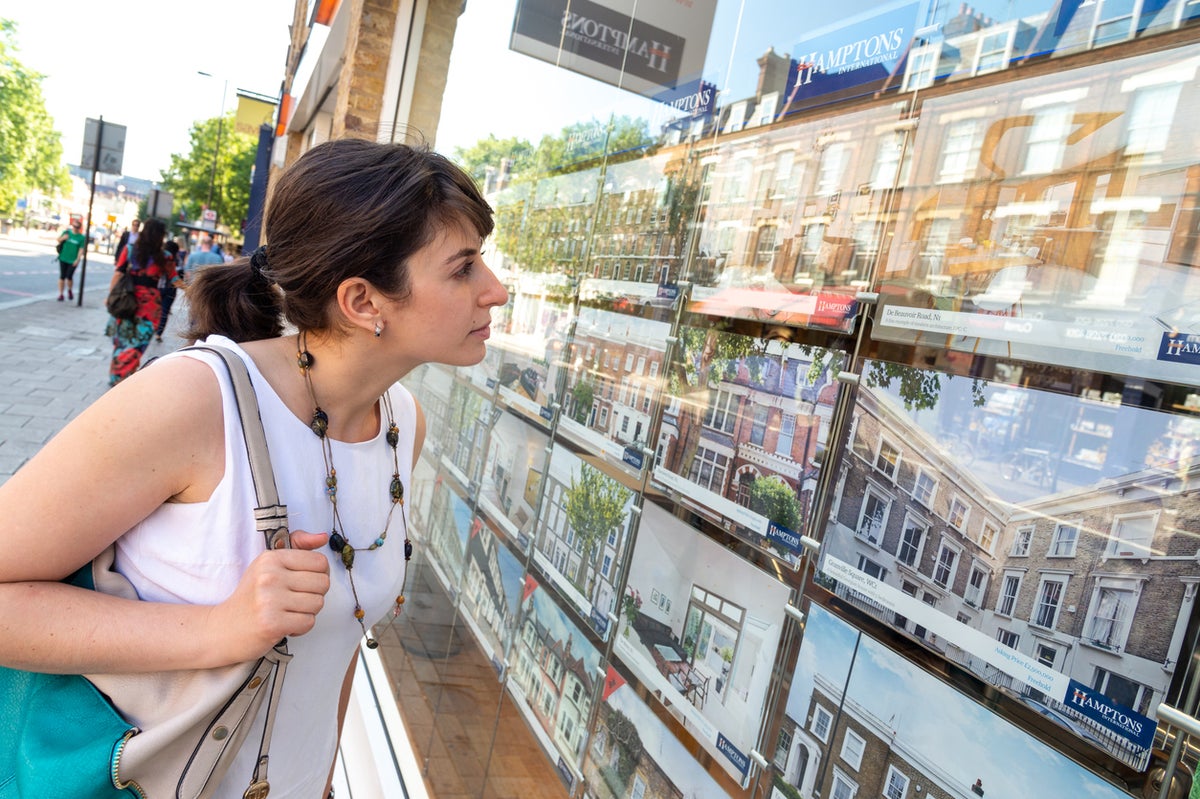
First-time buyers account for a notable number of home purchases and the amount could potentially swell in England, helped by an upcoming new scheme from the government.
Called ‘Your First Home’, the scheme aims to give borrowers in England a helping hand to overcome the deposit barrier that millions face.
More details will be set out during the Budget on 28 October, but the plan is expected to support 2.5 per cent deposits, helped by 20 per cent government-backed equity loans, for prospective first-time buyers purchasing a new-build property from a developer signed up to the project.
As Nathan Emerson, chief executive of Propertymark, a trade body for estate agents, puts it: “This has the potential to make a meaningful difference to a very large number of aspiring first-time buyers, particularly those who are financially ready to take on a mortgage but have been unable to overcome the upfront costs”.
So how much deposit will you need to save in different areas of the country?
What deposit do First Time Buyers need?
The number of sales concluded in branches under the Propertymark umbrella which were first-time buyers ranged from 18 per cent to 32 per cent in the first eight months of 2026. Emerson anticipates that could rise significantly when Your First Home launches.
Interested parties will be waiting to hear more details, but it is not too early to get an idea of what a 2.5 per cent deposit might look like.
Estate agency Hamptons has compiled research for The Independent that shows the average cost of a new build home in each local authority in England, and what a 2.5 per cent deposit - plus stamp duty costs - would theoretically look like for a first-time buyer.
Each region on the map shows the deposit amount for that specific area of the country, as well as a theoretical monthly mortgage cost based on current average rates - though this is just for guidance, with any actual repayments naturally depending on a range of factors at the time of purchase.

Invest at least £100 in Stocks or ETFs of your choice. Get fractional shares worth £50!
Terms and conditions apply.
Go to websiteADVERTISEMENT
Invest at least £100 in Stocks or ETFs of your choice. Get fractional shares worth £50!
Terms and conditions apply.
Go to websiteADVERTISEMENT
The findings by Hamptons show that across England, the average new-build home currently costs £386,900. Under the proposed scheme, a buyer purchasing at this price would need a 2.5 per cent deposit of £9,673.
However, Hamptons also note the deposit is only part of the upfront cost.
Isaac Odegbami, analyst at Hamptons, points out that once estimated first-time buyer stamp duty and conveyancing fees are included, the total amount required upfront rises to £15,952.
How much would repayments be and where is cheapest?
Based on current mortgage rates, the typical monthly mortgage payment would be around £1,498, assuming a 2.5 per cent deposit and a 20 cent government equity loan.
It is also worth considering that in more expensive areas, while the equity loan could help offset the new-build price premium and reduce monthly mortgage costs, higher property prices may trigger stamp duty.
Hamptons’ analysis found the cheapest deposit would potentially be in Liverpool (£3,950), while the largest would be in Kensington & Chelsea (£27,320).
Odegbami adds: “On paper the smallest required would be in cheaper northern markets, while more expensive markets across London and the South of England require the buyer to put down more cash.”
Potential property market boost
The government has said the initiative will set a household income cap with local property price caps to further ensure support is targeted at those who need it, the detail of which will be set out at the Budget.
When the Chancellor outlines plans, it could bring relief to what has been a challenging year for the building sector.
Anthony Codling, analyst at RBC Capital Markets explains: “It’s been a tough year for housebuilders with the conflict in the Middle East delivering a double whammy, reducing buyer demand as mortgage rates rose and also increasing build costs, as the impact of rising oil prices was felt throughout the home building supply chain.
“This mean they built and sold fewer homes and made less money in the process.”
The eventual detail, as well as government plans to build more properties, would be key, Codling added.
“Your First Home could be a lifeline for the Government’s housebuilding aspirations. We have yet to see the detail but if the Government wants to see more homes built and more first-time buyers getting a foot on the property ladder, then for homebuyers and housebuilders the scheme needs to be both easy to use and to make financial sense for both parties,” he said.
“There is a lot we still don’t know but the key parts are for homebuyers: what are the house price and salary caps, how long is the interest free period, what will the interest rate be after the interest free period and what mortgage products can be used with Your First Home.”
For homebuilders, the key questions will be around the costs of using the scheme, how long will it last and if there will be caps on the number of homes that can be sold using Your First Home.
When investing, your capital is at risk and you may get back less than invested. Past performance doesn’t guarantee future results.
KioskNews shows a cleaned-up reading view extracted from the publisher’s page — the original always lives on their site, not ours.