‘I used to think Britain’s preppers were extreme – this changed my mind’
If you asked me at the start of this week what I thought of “preppers”, I probably would have told you they seemed to me a little extreme.
Keeping some staples in the cupboard and perhaps a carton of long-life milk for emergencies seems to me common sense. But despite living through Covid and having a job which routinely involves covering climate change and geopolitics, I have remained obstinately ignorant about the possibility (or probability) of dwindling supplies. In a world of choice and convenience, it’s hard to picture a time when water might stop flowing from the taps, or basics might disappear from the shelves.
That world could be closer than I have let myself believe. Last month, defence secretary Wes Streeting urged UK households to keep small supplies of cash, bottled water and tinned food at home in case of emergency or war, saying Britain faces a growing threat of being disrupted by fires, floods, and enemy attacks, including cyber warfare.
The government has also advised us all to put together “emergency kits”. In the face of threats from Russia and increasingly severe weather events, practices I thought were reserved for a small group of doomsayers are now government guidance for the everyman.
I do consider myself a fairly organised person, and am usually well-stocked with several tins of chickpeas, coconut milk, chopped tomatoes and the like. I tend to buy basics like rice and pasta in bulk, and keep a big tub of peanut butter on the go. Then there are the odd cans and pouches I’ve collected over the years and never quite got round to using – some strange tinned aubergines, microwave quinoa and lentils.
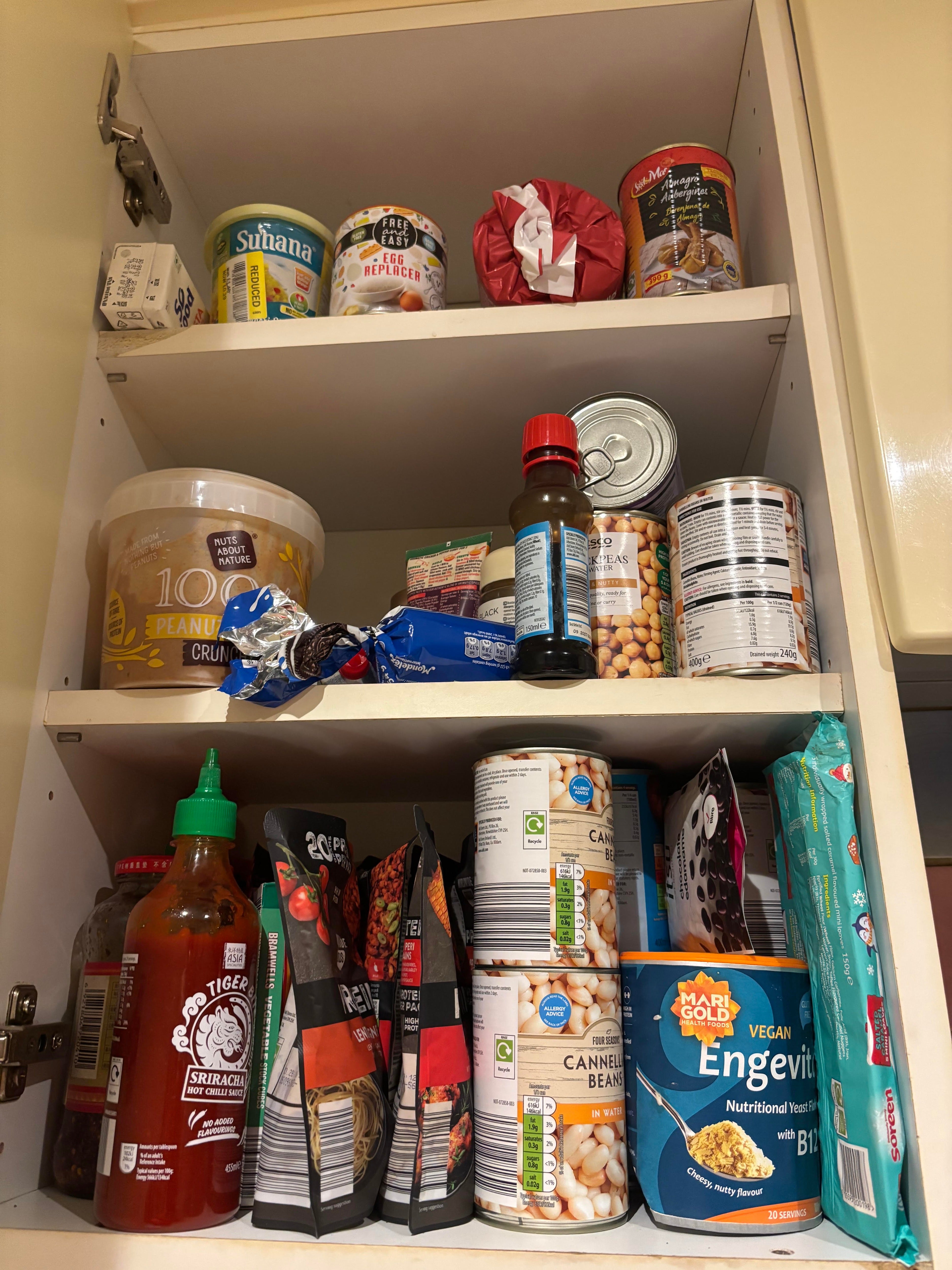
But for me, these are intended to be essentials for a quick weeknight dinner, not supplies for a potential flood or enemy attack. Expiry dates are rarely looked at, and I mostly grab the can closest to me in the cupboard, rather than rotating my stock as I go. I’m prepared to throw together a quick, nutritious pasta dish, but I’m no prepper.
So when I received an email about an app called Provision, which tells you exactly how long your supplies would last in the case of an emergency, I was curious. How long would my pasta and rice last me? If an enemy attack hit my London borough, could I hunker down in my basement flat for days on end? And most importantly, was I missing anything crucial?
The answer, I discovered, hinged on two essentials – whether I had water and fuel or not. As someone who tries my best not to harm the planet and is fairly relaxed about the taste of tap water, buying bottled water has never even crossed my mind. But according to the app, if my taps run dry, I wouldn’t even be prepared for one day.
Much the same could be said about fuel. With no butane gas or camping stove, my chances of eating anything hot are approximately zero if the mains power dies out. Perhaps a meal of cold chickpeas and tinned tomatoes wouldn’t finish me off, but it certainly wouldn’t be pleasant, especially in the depths of winter.
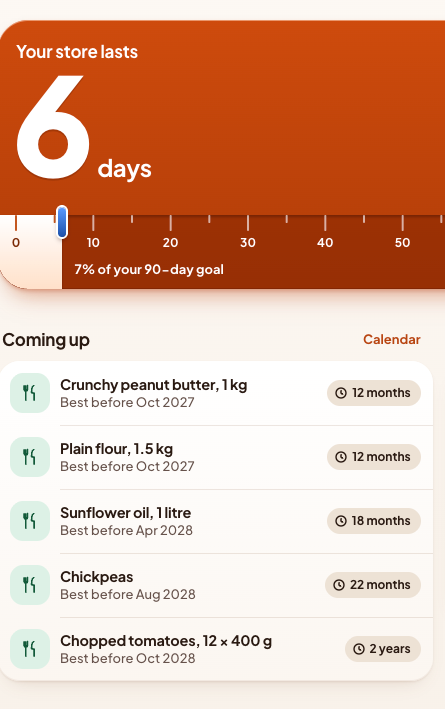
Assuming I have water and power, my chances are a little better. Inputting my cans of various beans, coconut milk, and chopped tomatoes, as well as rice and pasta, and other basics including flour, the app calculates I could get through six days before I’d go hungry.
In fact, I fared better than Joe, my news editor who commissioned this piece. He had smugly declared he had an array of tinned fish, beans, some rice, and crucially, lots of bottled water, but when it came down to cold, hard numbers, he was given just two days.
Six days may not be long enough to survive a disaster on an apocalyptic scale, but it’s nearly a week, which isn’t too bad for someone who has buried their head in the sand. But perhaps it’s time for me to buy some bottled water.
What was in my cupboard
• Crunchy peanut butter, 1kg
• Plain flour, 1.5kg
• Sunflower oil, one litre
• Chickpeas, 2x400g tins
• Chopped tomatoes, 2x400g tins
• Coconut milk, 4 x 400g tins
• Rice, 2x 1kg bags
• Penne, 1x 1kg bag
• Jam, 1x 340g jar
• Tomato puree, 1x 200g tube
• Rice cakes, 1 pack
The rise of prepping in the UK
My measly supply may last me a few days, but I would be put to shame by the 15,000 or so members of the UK Preppers Club Facebook community.
The group’s founder, Ana, said she has two months’ supply of food and water stored away in her south Wales home, and also boasts a rotating supply of home-grown vegetables and fruit from her garden. She is interested in what most of us could never manage – not only keeping herself alive in case of emergency, but also making the food taste great.
She helps facilitate conversations between thousands of members who are interested in keeping up their own supplies, and said the group has seen a 50 per cent increase in members since March this year.
“I don’t want people to be frightened,” she said. “But by taking small steps, families can really support themselves for at least a few days in case of an emergency. Not an armageddon, but a food shortage or a power outage.
“Today, many people you wouldn’t describe as preppers are now quietly putting aside food, growing vegetables or keeping emergency supplies. It’s become a matter of resilience. Because who knows what could happen?”
KioskNews shows a cleaned-up reading view extracted from the publisher’s page — the original always lives on their site, not ours.