A ‘Costco for energy bills’ is coming - here’s who could benefit most from new bundle app
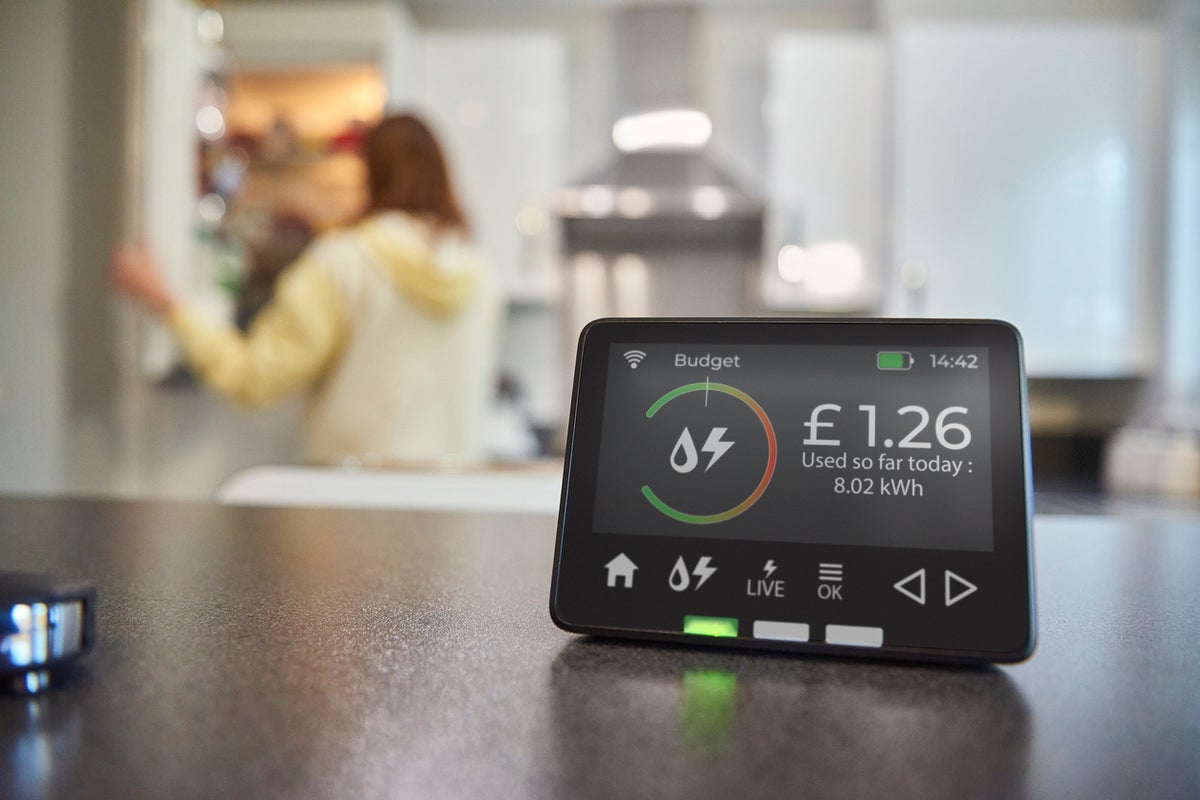
Energy bills are rarely far from the news in the UK these days - and with the price cap set to rise once more in January, households will be making plans to cope with the increase in expenses.
While there are obviously several solutions people can turn to in an attempt to keep their bills down as much as possible - fixing their deals, energy-proofing their home, avoid usage at peak times and so on - the simple fact is energy itself is more expensive as a result of the combination of world events, like the Iran war, and the complex calculations used to decide the price of delivering that energy across the UK.
In other words, there’s a limit to what people can do to sidestep vastly increasing bills.
But one newly launched firm wants to try and change that.
Alfred made headlines in August after launching with the aim of lowering bills for people, but also, it’s true, because of the person running it: Tom Inskip, a childhood friend of Prince Harry.
The numbers were eye-opening: the company hopes some households could save £1,000 a year, which would naturally be a massive help to many, though every cynical bill-payer would point out there’s a lot of ground between could and will.
So, it’s worth knowing who exactly might benefit from such a product, and how - or where - exactly they might expect to save some cash.
Energy bills and beyond
Alfred has been dubbed in some quarters as a Costco for energy bills. The reason for that is simple: Costco’s business strategy is built on selling products to customers at near-cost, and instead charging them an annual fee to access those lower-priced products.
This company will do similar - there’s a £195 membership fee for the year, and then the services you get within that membership are lower priced.
They are, in fact, very near at wholesale cost, with an additional cost-to-serve uplift.
That differs from most providers of energy (or other services) who pay a wholesale price, add their charges (to cover their costs and profit) on top, then charge you - the end user - a retail or market rate.
“There are two types of people when it comes to energy bills,” Inskip told The Independent. “The switchers and the sleepers - and it’s the sleepers who fund the industry.”
Those sleepers - households who fail to move to new providers - might make up as much as two-thirds of industry income, it’s imagined, and Inskip suggests most firms prefer you are utterly disengaged with them, rather than actively looking for better deals.
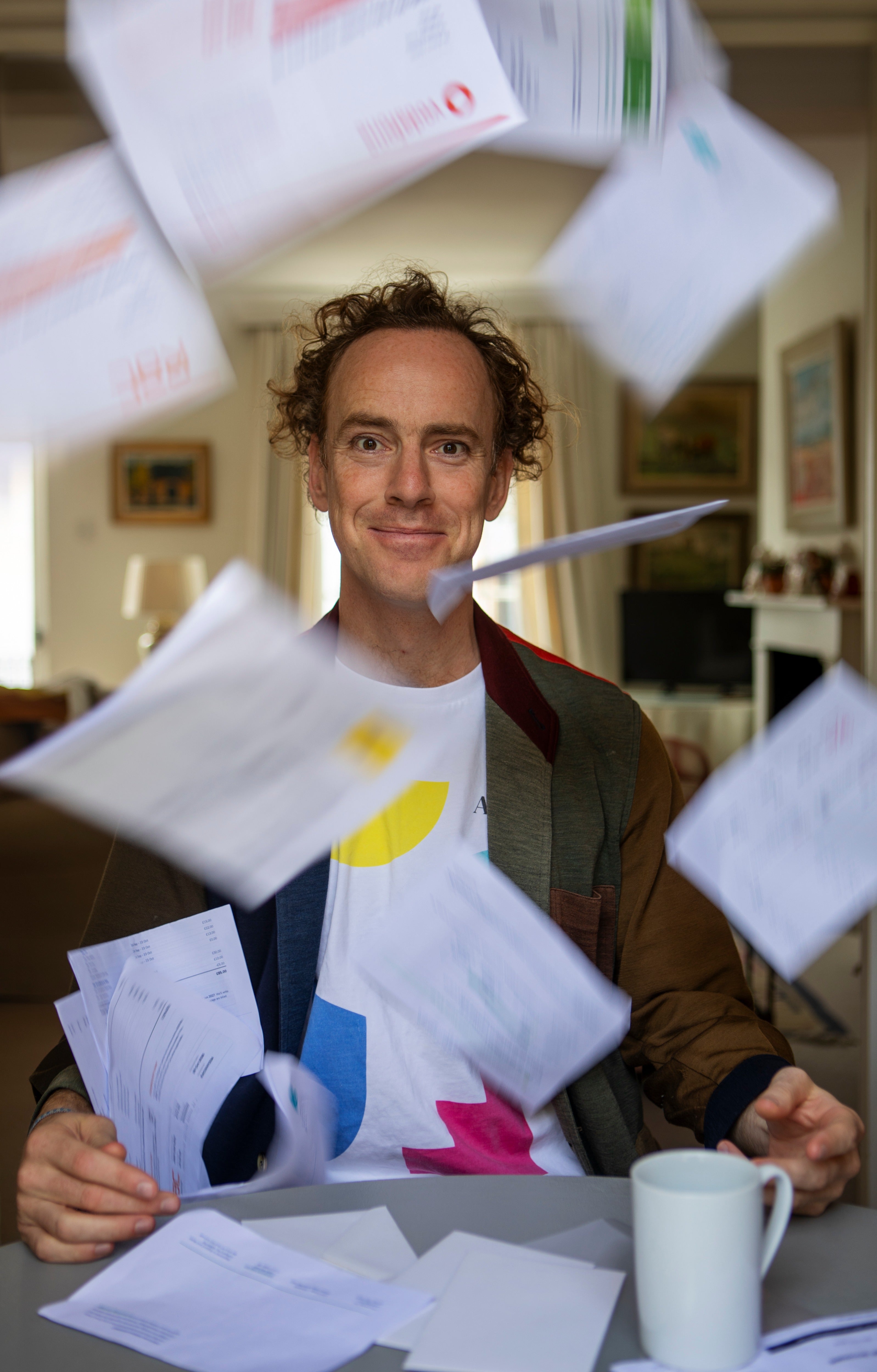
Without a calculator being needed, then, you can see you’ll need to save a couple of hundred quid to get to the stage of receiving a benefit - and Inskip is open about it not being a product which every single household needs, will want or will benefit from.
In fact, it’s very likely that the future customers who benefit most are the ones prepared to move multiple services into the Alfred app - as in there will also be the option to get broadband, insurance and unlimited data mobile phone contracts.
The membership fee covers access to everything, so naturally the more services you are getting at close to wholesale cost, the more money you’re likely to save across the board - and with energy specifically, the more your household usually uses, the more the price difference is likely to mount up. Bigger households, then, are likely the best beneficiaries.
In future, the plan is for even more to be available: streaming services, boiler repairs, breakdown cover and more. You can pick and choose which suit your needs...or your budget.
Inskip suggests some of those prices might turn out to be extremely eye-opening for the public, who are used to paying considerably more in some circumstances - roaming data included, anyone? - but the proof will of course be in successfully serving them.
AI, humans and an all-in-one app
“Alfred wouldn’t exist if we couldn’t bring much better customer service. We want, and need, to disrupt the industry,” Inskip says. “Nobody can compete on price and therefore we’re banking on long [customer] lifetimes with us.
“But it’s also true that this also couldn’t happen until now - I’ve had the idea for a long time, but the technology wasn’t there.”
Like most forward-looking firms these days, artificial intelligence plays a big part in the plans for Alfred, but Inskip’s background and expertise lies in an altogether more human environment: customer service. The idea, then, is to leverage AI for those initial enquiries which might be easily answered, but for a team to be accessible to actually speak to when needed by phone. Inskip repeatedly highlights cost efficiency as a key way Alfred will be able to bring services to market at low cost, particularly without much more money staying in the company coffers beyond the subscription fees.
The first customers will be on-boarded in January, in small amounts to start, but with a long-term plan to take a significant market share.
Alfred has up to five-year deals agreed with key backers and providers, such as with energy, so it’s not likely to disappear off the radar as suddenly as it arrived.
The key to success with such a business model, of course, is if it is saving enough money for enough people to warrant them moving multiple features of their most relied-upon home services under a single roof.
If that proves the case, the Alfred app might end up disrupting more than one industry - something Inskip clearly believes the time is ripe for.
KioskNews shows a cleaned-up reading view extracted from the publisher’s page — the original always lives on their site, not ours.