Nick Saban wants a different criteria for judging which teams reach the College Football Playoff
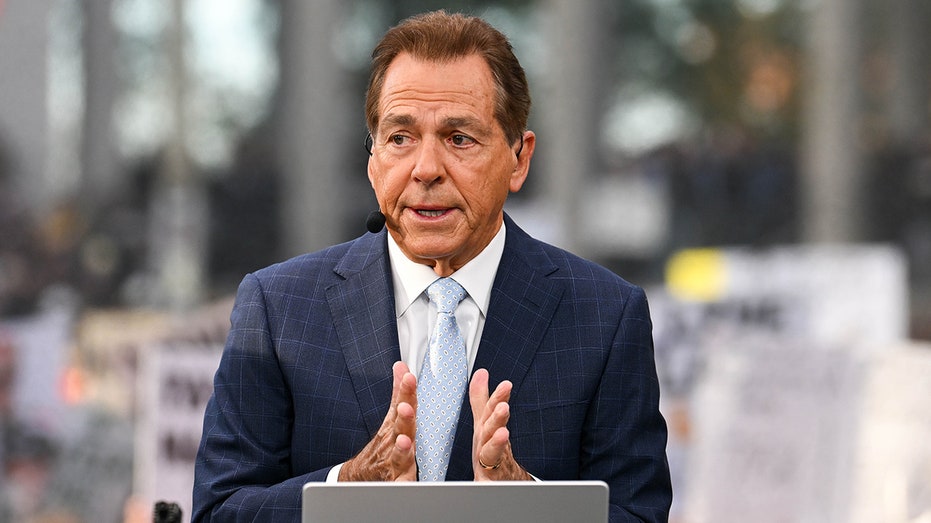
Don’t Blame Arch for Texas’ Loss to Ohio State Last Year | Don't @ Me w/ Dan Dakich
"When I think a Texas skill, I think a first round draft picks, I think I think, you know, explosive running backs just ripping through tackles. I think of, you know, great wide outs that are going to be high draft picks. They didn’t, they weren't open last year against Ohio State. So, you can blame Arch Manning all you want that opening loss to Ohio State which is fine. But I got news. There is no one open."
If you thought Week 1 of the college football season was wild, Week 2 took the typical chaos to a whole new level.
Out of nowhere, the Oregon Ducks suffered a shocking upset on the road to the recently hapless Oklahoma State Cowboys. The Michigan Wolverines, who dropped out of the Top 25 after a disappointing "win" over Western Michigan, and seemed eliminated from contention for the College Football Playoff, beat the No. 11 Oklahoma Sooners.
The game of the week delivered, in spades, with the Texas Longhorns completing a remarkable fourth quarter comeback at home against the Ohio State Buckeyes. The Buckeyes dominated the game for 45 minutes, had opportunity after opportunity to put the Longhorns away, and missed all of them.
This page may contain affiliate links to legal sports betting partners. If you sign up or place a wager, FOX News may be compensated. This content was created by a team that works independently from the FOX newsroom.
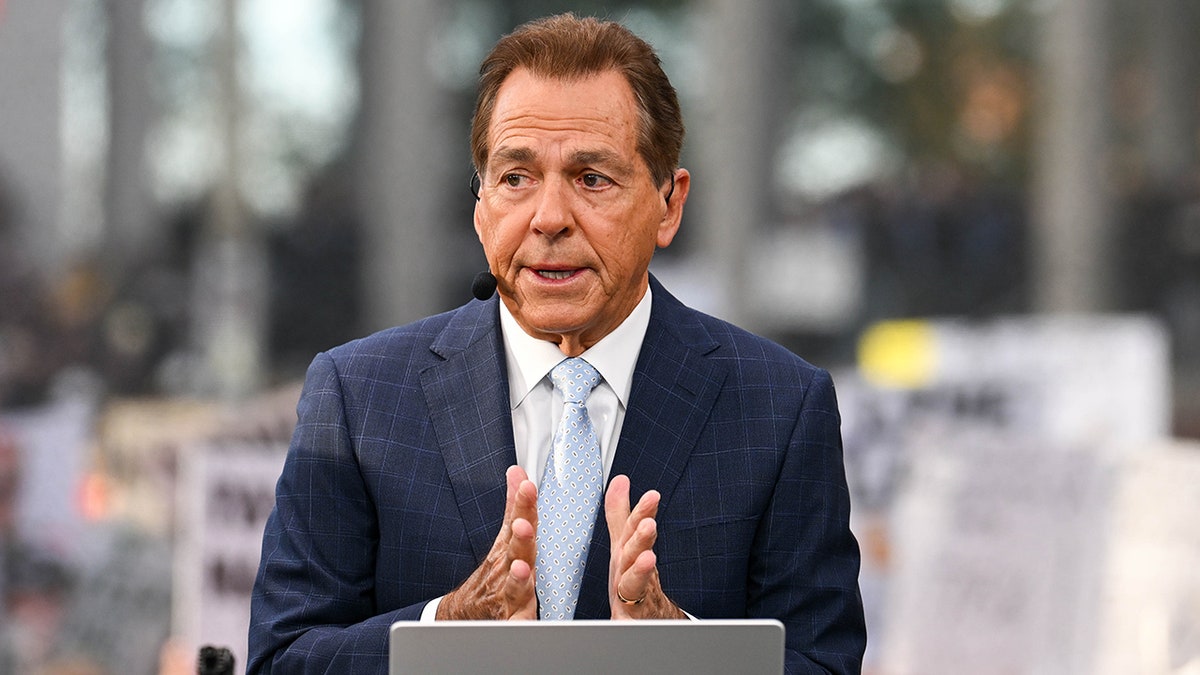
Nick Saban speaks during ESPN's College GameDay at Vanderbilt University on Oct. 25, 2025 in Nashville, Tenn. (Carly Mackler/Getty Images)
Even Texas Tech, which seemed set up to run through an easy schedule, struggled on the road against Oregon State before pulling away late in the fourth quarter.
Mostly, the week served as a reminder of what makes college football great: big-name teams playing other big-name teams in incredible environments at historic stadiums. The inherently lesser talent at the collegiate level making come-from-behind wins more possible. And stakes, with wins and losses that matter.
It was also a reminder that in the era of the expanded College Football Playoff, these games are becoming less and less common. Because of misplaced incentives, the rise of superconferences, and a selection committee whose criteria for picking teams are nebulous and ever-shifting at best, and bewildering and incomprehensible at worst.
Legendary head coach Nick Saban, speaking on ESPN's "College GameDay" on Saturday, had some suggestions on how to improve the playoff process and encourage more of these matchups: strength of schedule.
"Players love to play in big games," Saban said. "That’s what great competitors love to do. Fans love to see big games."
"I think what we’ve created now is a system of how many games you win helps you get into playoffs, and the playoffs become the barometer for the success of your program," he continued. "We need a better metric to actually evaluate quality wins and quality losses. Some losses are better than some wins."
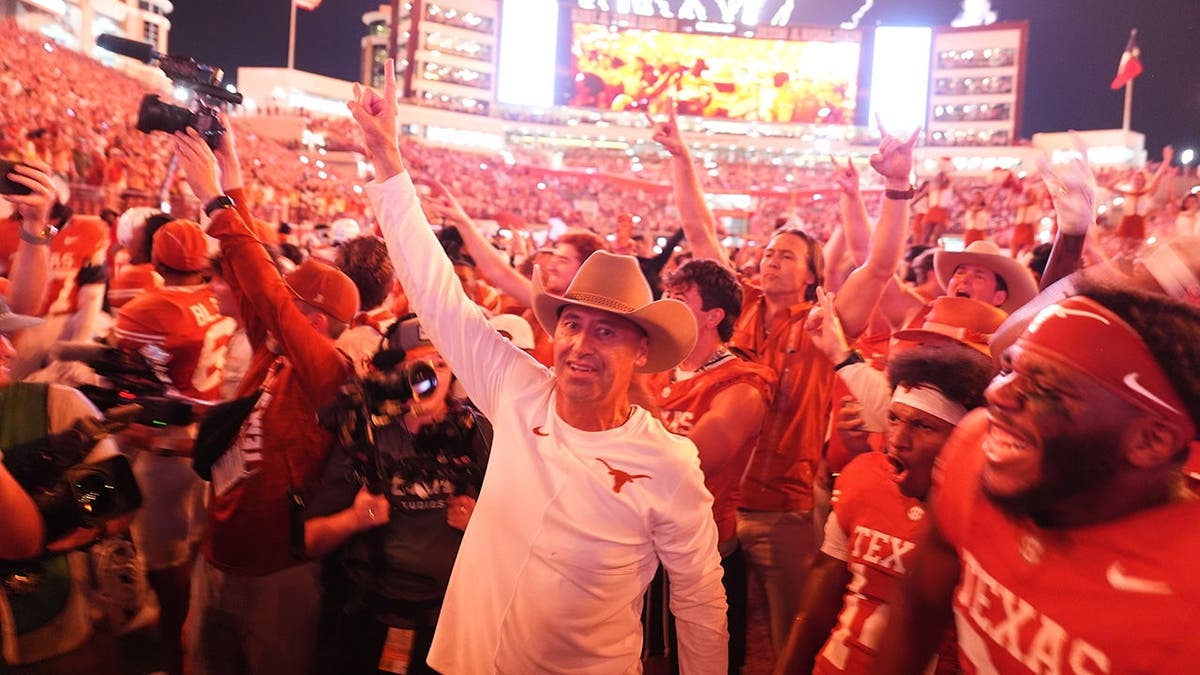
Texas head coach Steve Sarkisian celebrates with his players after their win over Ohio State in an NCAA college football game in Austin, Texas, on Sept. 12, 2026. (AP Photo/Eric Gay)
That's become a familiar suggestion, particularly from SEC supporters as it moves to nine conference games, guaranteeing an additional eight losses per season spread around the conference. It also makes some obvious sense. Of course, Ohio State shouldn't be punished much for losing to Texas, and that result should carry more weight than a win over Youngstown State.
But this mentality is an accidental argument for the type of evaluation that was used in the BCS era, which fans and many coaches eventually hated. Humans have subjective biases or preferences, and they incorporate those biases and preferences into their rankings. Efficiency-driven rankings do have subjective opinions baked into their underlying model assumptions, but that's less subject to on-field, "eye test" bias than poll rankings.
Still, a blend of success rate and efficiency-based computer-driven rankings and strength-of-resume results might create exactly the system Saban wants. Though it might not create the results he expects.
The 2025 Alabama season is an ideal example. They weren't punished for a blowout loss to the Georgia Bulldogs in the SEC Championship Game. Though they should have been. Not just because of the outcome, but because of how it happened, particularly considering their full season resume.
CLICK HERE FOR MORE OUTKICK SPORTS COVERAGE
After their blowout playoff loss, the Crimson Tide ranked 20th in SP+, an efficiency ranking that doesn't care if you win or lose, it cares how you play, adjusted for the competition you're playing against. Their strength of resume was 19th. They weren't a playoff team, considering their performance against their schedule. Would Saban still be happy with the rankings if it hurts his former team?
The result of this year's Texas-Ohio State game is another fantastic example. By postgame win expectancy, the game was effectively a draw. Texas had a 50.2% win expectancy, with an adjusted scoring margin of 0.0. The teams were nearly identical. In SP+, Ohio State ranks second; Texas ranks sixth, even after the win. Ohio State is still expected to be the better team moving forward, based on how the two have played.
THE CRAIG CARTON SHOW–UNFILTERED, UNAPOLOGETIC AND UNMISSABLE. DOWNLOAD HIS DAILY PODCAST NOW!
But if the Buckeyes rank ahead of the Longhorns in human polls, fans, and Saban, will go ballistic.
This is the problem with demanding schedule-driven rankings. Because schedules themselves are subjective, what you value and how you value it, is also subjective. Especially in the NIL/transfer portal era. Fans and voters rank programs based on perception, results in 2025, and brand name, even though it's easier than it's ever been to change your roster and improve overnight. Just look at where Texas Tech is now compared to, say, 2023-2024.
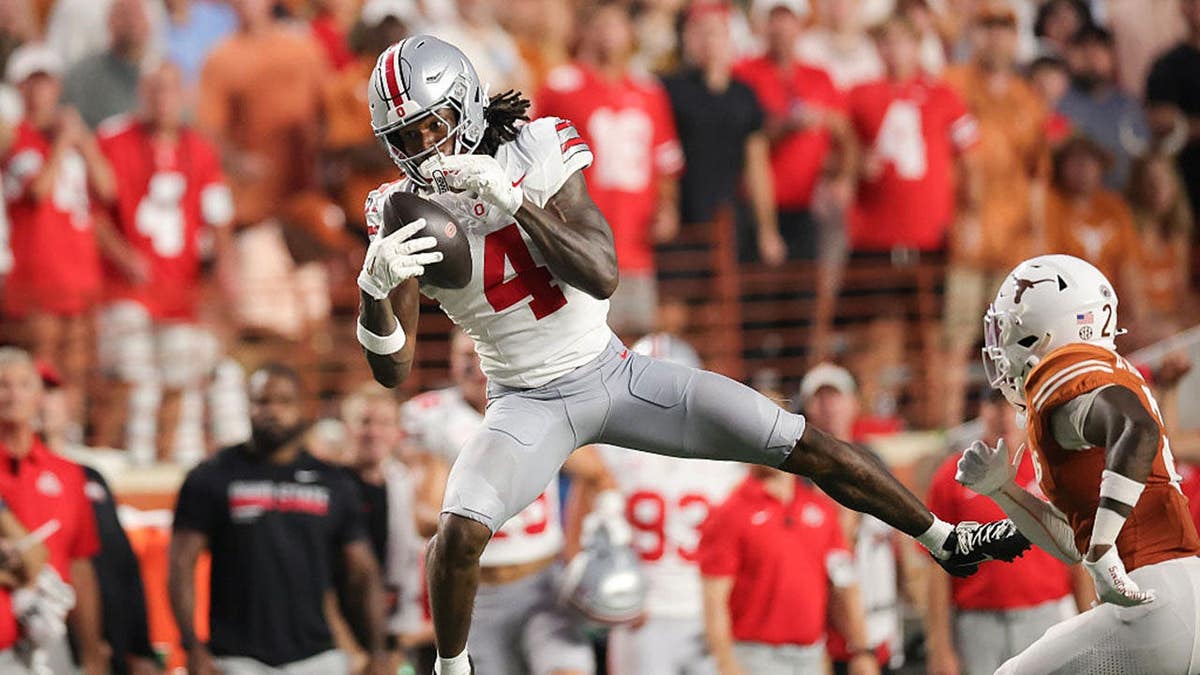
Jeremiah Smith #4 of the Ohio State Buckeyes completes a pass against Derek Williams Jr. #2 of the Texas Longhorns during the second quarter at Darrell K Royal-Texas Memorial Stadium on Sept. 12, 2026, in Austin, Texas. (Getty Images)
OUTKICK IS NOW AVAILABLE ON THE FOX NEWS APP: CLICK HERE TO DOWNLOAD
A larger playoff field might also encourage more big games, with teams less "scared" of losing and potentially knocking themselves out. Though few want a 24-team playoff. How does that factor in?
Saban though, did make another, less "controversial" point.
ZERO BS. JUST DAKICH. TAKE THE DON'T @ ME PODCAST ON THE ROAD. DOWNLOAD NOW!
"And it makes you better as a player," he said about playing other top teams. "Great competition makes you better."
KioskNews shows a cleaned-up reading view extracted from the publisher’s page — the original always lives on their site, not ours.