AIBE XXII syllabus 2026 released: Check subject-wise question weightage
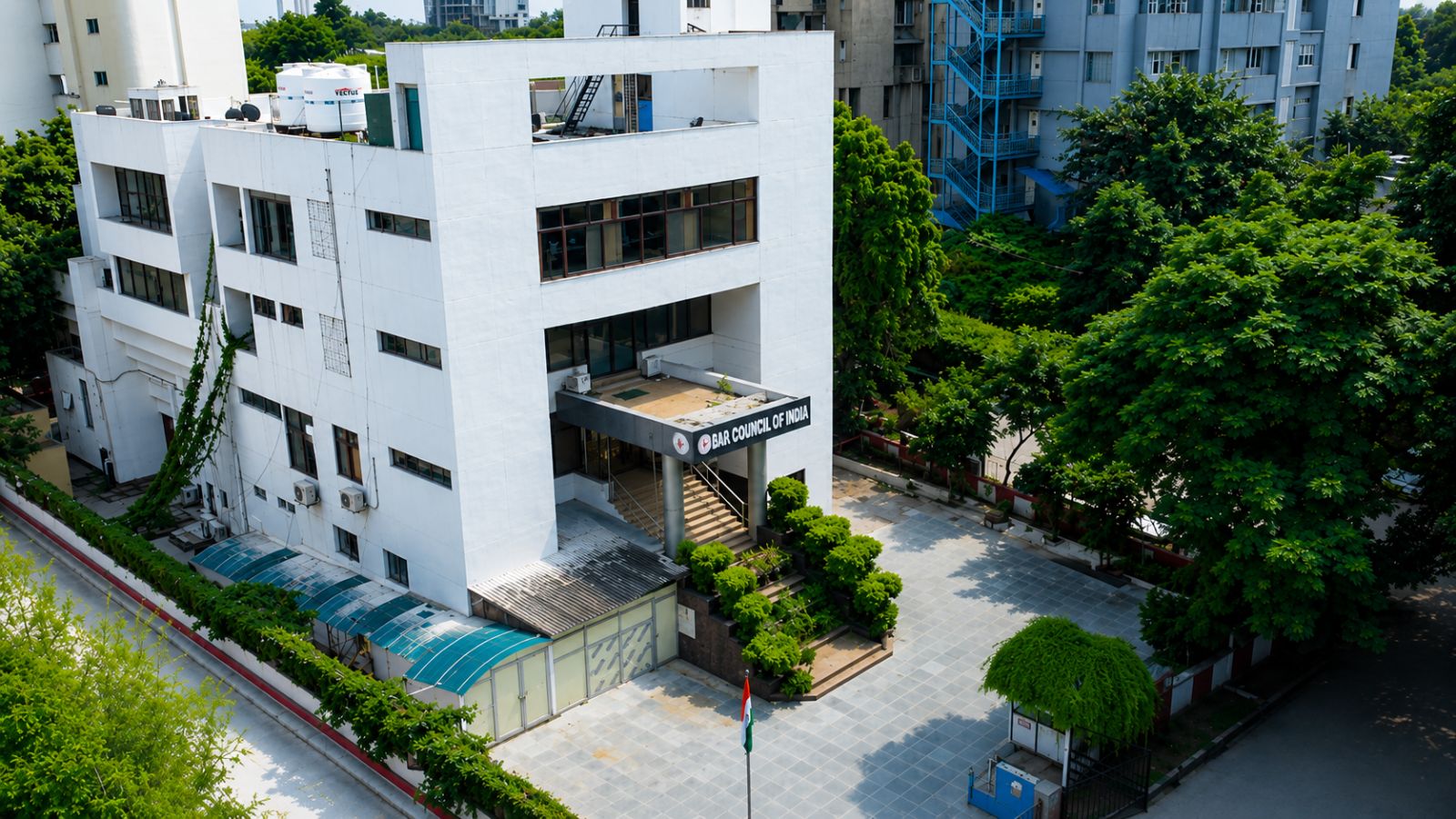
The Bar Council of India (BCI) has released the subject-wise syllabus for the All India Bar Examination (AIBE) XXII, with 100 questions distributed across 19 legal subjects. The syllabus covers constitutional law, civil and criminal procedure, evidence, family law, professional ethics and other areas of law, including provisions under the new criminal codes.
Registration for AIBE XXII is ongoing, with the application deadline set for October 27, 2026. Candidates must pay the application fee by October 28, while the application correction window will remain open until October 30.
The examination is scheduled for November 29, 2026, according to the schedule displayed on the official AIBE registration portal.
AIBE XXII syllabus 2026: Subject-wise question distribution
| Subject | Number of questions |
| Constitutional Law | 10 |
| IPC and Bharatiya Nyaya Sanhita (BNS) | 8 |
| CrPC and Bharatiya Nagarik Suraksha Sanhita (BNSS) | 10 |
| Code of Civil Procedure (CPC) | 10 |
| Evidence Act and Bharatiya Sakshya Adhiniyam (BSA) | 8 |
| Alternative Dispute Resolution, including Arbitration Act | 4 |
| Family Law | 8 |
| Public Interest Litigation | 4 |
| Administrative Law | 3 |
| Professional Ethics and Professional Misconduct | 4 |
| Company Law | 2 |
| Environmental Law | 2 |
| Cyber Law | 2 |
| Labour and Industrial Law | 4 |
| Law of Tort, Motor Vehicles Act and Consumer Protection Law | 5 |
| Taxation Law | 4 |
| Contract, Specific Relief, Property and Negotiable Instruments laws | 8 |
| Land Acquisition Act | 2 |
| Intellectual Property Laws | 2 |
| Total | 100 |
The highest number of questions (10 each) comes from Constitutional Law, the Code of Civil Procedure (CPC), the Criminal Procedure Code (CrPC), and the Bharatiya Nagarik Suraksha Sanhita.
The second most (8 each) comes from the Indian Penal Code, Bharatiya Nyaya Sanhita, Evidence Act, Bharatiya Sakshya Adhiniyam, Family Law, and Contract Law.
KioskNews shows a cleaned-up reading view extracted from the publisher’s page — the original always lives on their site, not ours.