#HEALTH: The dark side of online drug purchases
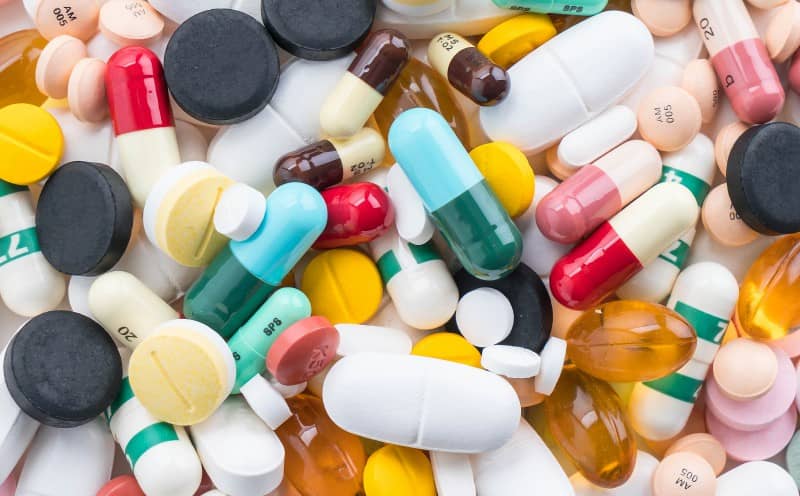
FROM Jan-Sept this year, the Pharmacy Enforcement Division (BPF) of the Health Ministry received 101 complaints and conducted 47 raids involving weight-loss products, including 30 linked to online sales, with seizures valued at RM771,517.
It reflects growing concerns over how medicines and health products are reaching consumers through digital and unfamiliar channels.
A medicine obtained from an unknown source can raise several different concerns: it may be unregistered, supplied illegally, advertised inappropriately, stored under uncertain conditions, or obtained without the clinical assessment and professional oversight required for its safe use.
"Patient safety begins long before a medicine is taken. As access to medicines becomes increasingly digital, consumers must be empowered to verify medicine registration, purchase from legitimate sources, seek professional advice when needed, and report suspicious products or activities," says Health Ministry Deputy Director-General of Health (Pharmaceutical Services) Dr Azuana Ramli.
The Health Ministry has introduced the use of holographic security labels on all registered pharmaceutical products as a measure to help consumers identify legitimate products.
The authenticity of these labels can be verified through the MyUBAT smartphone application.
Medicines obtained from unknown or unauthorised sources pose serious risks to public health, adds Health Ministry director of pharmacy enforcement Tn Mohd Zawawi Abdullah.
Public vigilance and reporting are essential in helping authorities detect suspicious products and illegal activities, he says.
BPF, on its part, takes proactive enforcement measures, including continuous monitoring, blocking and takedown of illegal online advertisements , seizures as well as investigations and prosecution of sellers who violate the law.
Close collaboration with other enforcement agencies, pharmaceutical industries, e-commerce platforms, influencers and other relevant stakeholders is essential to strengthen information sharing, coordinate enforcement actions and combat the illegal sale of medicines, particularly through online platforms.
Malaysian Medical Association president Dr Sivanaesan Letchumanan, says the question is not only whether a medicine appears genuine. We also need to ask whether it is appropriate for that person, whether they have been properly assessed and who is monitoring their treatment.
"A consultation gives doctors the opportunity to understand a person's medical history, existing conditions, other medicines and potential risks before treatment begins."
It also provides follow-up if there are side effects, concerns or a need to review treatment. Those safeguards cannot be replaced by an online listing, a testimonial or advice from an anonymous seller, stresses Dr Sivanaesan.
In addition, consumers may not be able to determine from a photograph or online listing how a medicine has been transported or stored.
In comparison, purchasing from a pharmacy means pharmacists are available to help consumers understand registration and prescription requirements, correct use and storage considerations, while providing a professional point of accountability when something is unclear, says Malaysian Pharmacists Society president Honorary Professor Amrahi Buang.
A licensed pharmacy is not simply a place where a medicine changes hands. It is an important safety checkpoint.
MOH is also aware of growing public interest in medicines related to diabetes and weight management, says Dr Azuana.
While diabetes and weight loss medications do have clinical benefits when used appropriately under the supervision of a medical professional, misuse of these drugs and purchasing them from unauthorised sellers puts the health of consumers at risk, she says.
"The desire for fast results should not be a reason for consumers to put their safety at risk."
In 2025, the Health Ministry seized 22,436 unregistered medicines worth RM70.2 nationwide, while 18,617 advertisements on e-commerce sites and social media were blocked.
From Jan-Sept this year, 17,900 items were seized, valued at RM54 million and 11,843 advertisements blocked.
These figures reflect the scale of the problem involving unregistered pharmaceutical products in the country.
[[nid:1586799]]
KNOW YOUR SOURCE
TO create better awareness on medicine safety, Novo Malaysia recently organised a forum titled "Unknown Sources: Know the Source Before You Trust the Promise".
The forum was in support of the Health Ministry's "Tolak Ubat Tidak Sah (TOBaTS) public-awareness initiative.
A key focus of the forum was encouraging Malaysians to look beyond the simple question of whether a medicine is "fake" or "genuine".
As public interest in medicines used for chronic conditions, including diabetes and weight management, continues to grow, there is also a need to ensure consumers are better educated as increased demand can create opportunities for misleading claims, inappropriate access and unknown supply routes that bypass established safeguards.
KioskNews shows a cleaned-up reading view extracted from the publisher’s page — the original always lives on their site, not ours.