Onn Hafiz defends face-to-face distribution of state aid
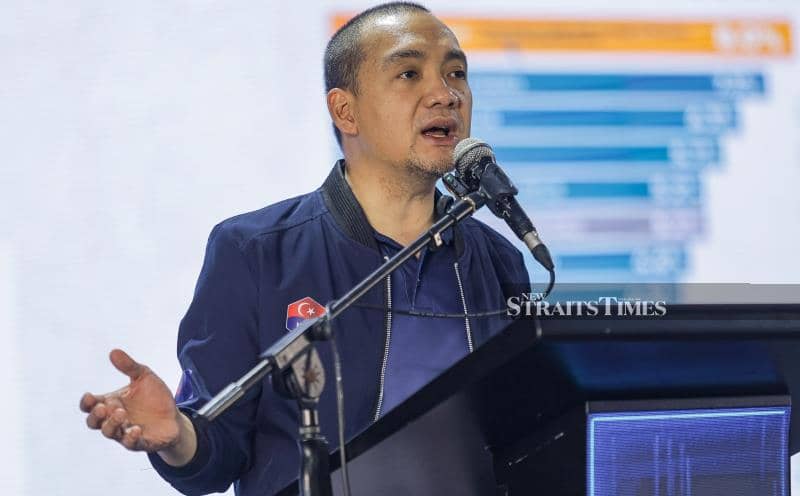
ISKANDAR PUTERI: Johor Menteri Besar Datuk Onn Hafiz Ghazi has questioned opposition assemblymen over their criticism of the face-to-face distribution of state aid, saying some had previously taken part in handing out the assistance.
He said several opposition representatives had participated in distributing Bantuan Kasih Johor (BKJ) to recipients but began criticising the practice after the state assembly was dissolved.
"What is this about? Previously, it was fine. How is it that something which was acceptable before is suddenly unacceptable now?" he said during the winding-up of the 2027 Johor Budget debate at Bangunan Sultan Ismail, Kota Iskandar, today.
Onn Hafiz defended the face-to-face distribution method, saying it allowed elected representatives to meet residents, listen to their concerns and understand their difficulties, rather than engaging with them only during election campaigns.
He cited the federal government's Early Schooling Aid (BAP), under which parents are also required to collect cash assistance in person at schools, saying the approach demonstrated the effectiveness of direct distribution.
"Pakatan Harapan criticised and questioned the way BKJ was distributed. Thankfully, the prime minister now sees the effectiveness of this approach," he said.
He added that the state government would retain the face-to-face distribution method while improving arrangements based on public feedback.
The improvements include a more systematic queuing system, better scheduling to reduce congestion and measures to ensure recipients are not compelled to attend distribution ceremonies.
For elderly recipients who are bedridden, infirm or have mobility difficulties, authorised representatives will be allowed to collect the assistance on their behalf.
Separately, Onn Hafiz announced three additional categories under the seventh phase of BKJ, which is scheduled to begin in June 2027.
They include RM200 each for more than 400,000 senior citizens, involving an allocation of RM83 million; RM200 each for more than 14,000 cancer and dialysis patients, costing RM2.9 million; and RM200 each for more than 21,000 B40 smallholders, involving RM4.3 million.
He said the additional assistance was introduced after the state government considered feedback from assemblymen and members of the public on groups that might have been overlooked.
KioskNews shows a cleaned-up reading view extracted from the publisher’s page — the original always lives on their site, not ours.