Up to 30% of cotton area under ‘illegal’ GM hybrids, finds study
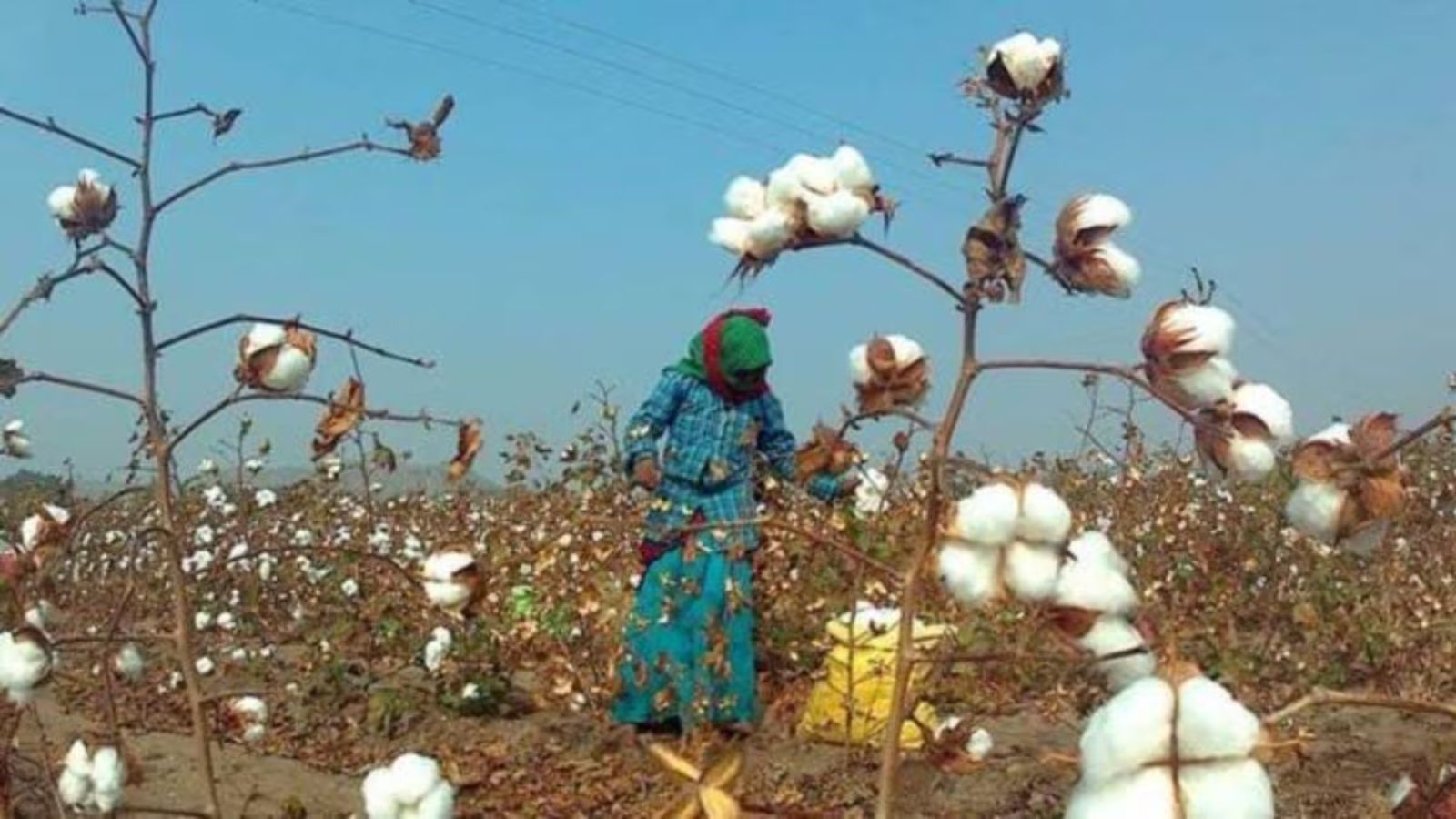
Simply put, the market for illegal GM cotton seeds is growing, with both farmers and a sophisticated supplier network bypassing the country's established biosafety and regulatory approval system.
More than a quarter of the total area cultivated under cotton in India comprises “illegal” hybrids incorporating unapproved genetically modified (GM) traits, including resistance to glyphosate herbicide.
Out of the 114.8 lakh hectares (lh) area sown under cotton by Indian farmers in 2025-26, an estimated 26.2-29 lh, i.e. 24-30%, was of hybrids containing unauthorised herbicide-tolerant (HT) or Bacillus thuringiensis (Bt) genes, according to a field-based study commissioned by the Federation of Seed Industry of India (FSII) and National Seed Association of India (NSAI).
India currently allows farmers to grow GM cotton hybrids/ varieties containing only two genes — cry1Ac and cry2Ab — that are isolated from Bt, a soil bacterium. These genes code for proteins toxic to certain bollworm insect pests.
But the FSII-NSAI study shows farmers are also planting the seeds of hybrids that contain cp4-epsps and Vip3A genes. Both these are alien genes, whose harbouring in any crops has not been approved by the government.
The cp4-epsps gene, sourced from another soil-dwelling agrobacterium, makes cotton plants “tolerant” to glyphosate.
This herbicide cannot be sprayed on normal cotton, as the chemical does not distinguish between the crop and weeds. The Vip3A gene is derived from Bt, but works differently from the cry1Ac/ cry2Ab genes and is said to effectively control a broader spectrum of bollworm larvae.
The FSSI-NSAI study has been based on 227 geo-tagged seed/ leaf samples collected from fields of 984 farmers across 16 districts of Maharashtra, Telangana, Andhra Pradesh (AP) and Rajasthan. The 16 ‘hotspot’ districts were identified using a combination of secondary data sources, including glyphosate sale trends, farmer interactions and seed market intelligence. The testing of the samples for gene identification was conducted using dipstick/ lateral flow assays and ELISA (enzyme-linked immunosorbent assay).
Story continues below this ad
“We found the HT cp4-epsps gene to be present in 72.69% of the field samples, with this as high as 88.64% for Telangana, 70.92% for Maharashtra, 62.86% for AP and 57.14% for Rajasthan. It indicates widespread adoption of HT technology by farmers for weed management, despite the government not authorising this GM trait,” said Bhagirath Choudhary, director of the Jodhpur (Rajasthan)-based South Asia Biotechnology Centre that undertook the study.
The demand for the unapproved HT gene technology has been driven by the acute shortage of labour and high manual weeding costs. “Farmers have decisively shifted towards glyphosate-based weed management enabled by (illegal) HTBt cotton technology. They are typically applying 2-3 sprays per season that costs Rs 750-850 per acre, as against Rs 12,000-15,000 through manual weeding,” Choudhary noted.
Laboratory analysis of samples apart, the decline in sales of “legal” Bt cotton hybrid seeds — from 596 lakh packets in 2022-23 to 463 lakh packs in 2025-26 (each packet contains 450 grams of seeds) — is also proof of the high acceptance of HT hybrids by farmers. This has been accompanied by a significant 29% jump in imports of glyphosate, from 27,721 kilolitres in 2024-25 to 35,642 kilolitres in 2025-26.
The FSSI-NSAI study has estimated the unauthorised HTBt seed market in India to have expanded from around 35 lakh packets in 2017-18 to 82-88 lakh packets in 2025-26. At an average price of Rs 1,000 per packet, this market would be “conservatively” valued at Rs 820-880 crore.
Story continues below this ad
Equally interesting is the planting of cotton hybrids expressing the Vip3 Bt gene. “We found 53.74% of our 227 field samples testing positive for this next-generation insect-resistance gene. Its presence was 58.16% in Maharashtra, 54.29% in AP, 57.14% in Rajasthan and 38.64% in Telangana. The driver here seems to be effectiveness against pink bollworm, with the first-generation Bt hybrids becoming vulnerable to this insect pest”, said Choudhary.
Simply put, the market for illegal GM cotton seeds is growing, with both farmers and a sophisticated supplier network bypassing the country’s established biosafety and regulatory approval system.

Harish Damodaran is National Rural Affairs & Agriculture Editor of The Indian Express. A journalist with over 33 years of experience in agri-business and macroeconomic policy reporting and analysis, he has previously worked with the Press Trust of India (1991-94) and The Hindu Business Line (1994-2014). ... Read More
KioskNews shows a cleaned-up reading view extracted from the publisher’s page — the original always lives on their site, not ours.