A&E staff ordered to act if parents flag dangerously ill children
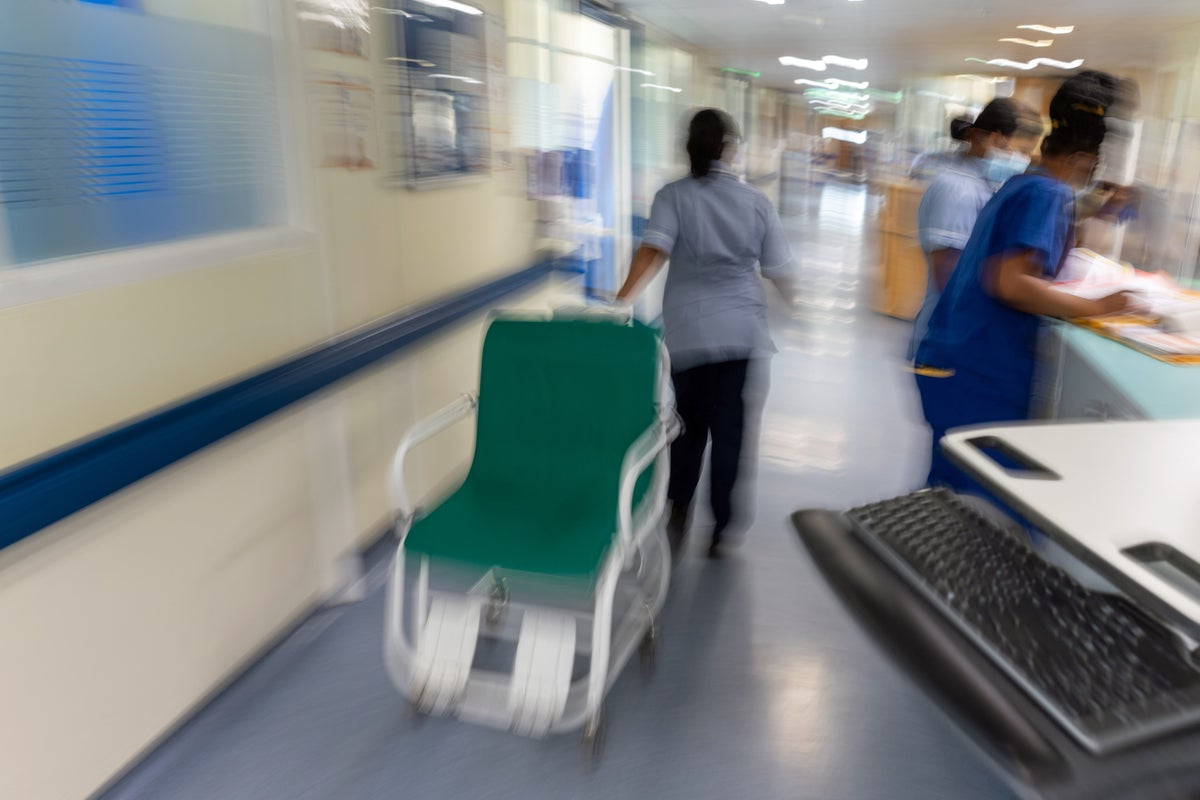
Sick children who are dangerously deteriorating will be given urgent help under a new NHS early warning system.
The new system, which will see parents and carers pushing for better care, is being introduced in hospital emergency departments in England in a bid to help busy NHS staff.
Rather than relying on test results alone, doctors and nurses will be expected to act on concerns raised by families and carers and seek further medical assessments and decide if a child needs additional treatment or closer monitoring.
The National Paediatric Early Warning System (PEWS) will ask staff to log and grade vital signs, including blood pressure, heart rate and oxygen levels.
If these vital signs are high it will signal to staff that the child needs more urgent attention. In addition, concerns raised by the child, parents or staff will trigger an immediate escalation of care.
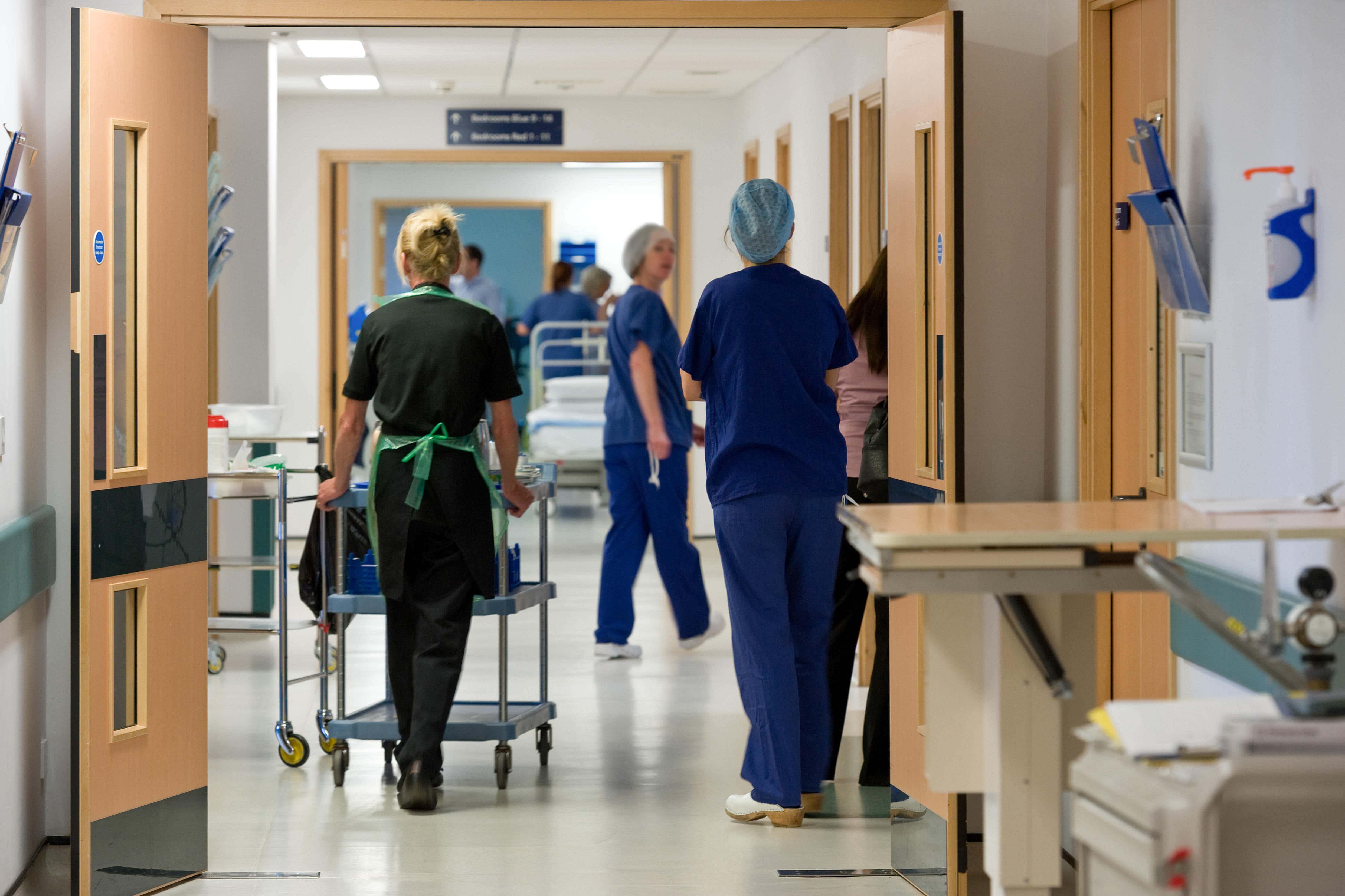
It comes after health secretary Yvette Cooper asked the NHS to draw up urgent plans to speed up ending hospital "corridor care" for children.
She announced £140m to improve urgent care in England ahead of what is predicted to be a "more difficult" winter than usual.
Appearing on the BBC’s Sunday With Laura Kuenssberg programme, Ms Cooper said she asked the chief executive of NHS England to "have urgent new standards drawn up for how children should be treated in A&E, including an urgent plan to eliminate corridor care for children as a priority".
She added: "We’ve got a plan for the whole of the Parliament to end corridor care more broadly, but then also to prioritise that and to do so urgently for children."
There is a similar warning system already in place for adults in A&E departments to identify those with illnesses such as sepsis.
The new system is now in place across 90 hospitals in England. Children’s wards will have age-appropriate assessments so all children from babies through to teenagers will be properly assessed.

This system is being rolled out in addition to Martha’s Rule, which gives parents, carers and families the right to request a rapid review if they are concerned their loved one is deteriorating and their concerns are not being responded to.
Martha’s Rule is an initiative which was named after Martha Mills, who died age 13 in 2021, after developing sepsis in hospital after a bike accident.
A coroner ruled that she would have survived if clinicians had moved her to intensive care sooner.
Martha’s parents Merope Mills and Paul Laity said that their repeated warnings regarding her worsening condition were constantly ignored by medical staff.
Her parents came up with the idea of Martha’s Rule to help others who feel they are not being listened to.
A&E units will now have a phone number that can be called to trigger an urgent review into a patient’s care.
During an eight-month pilot, 69 calls were made to Martha’s Rule phone numbers, with some patients going on to have urgent surgery or being transferred to intensive care, NHS England said.
KioskNews shows a cleaned-up reading view extracted from the publisher’s page — the original always lives on their site, not ours.